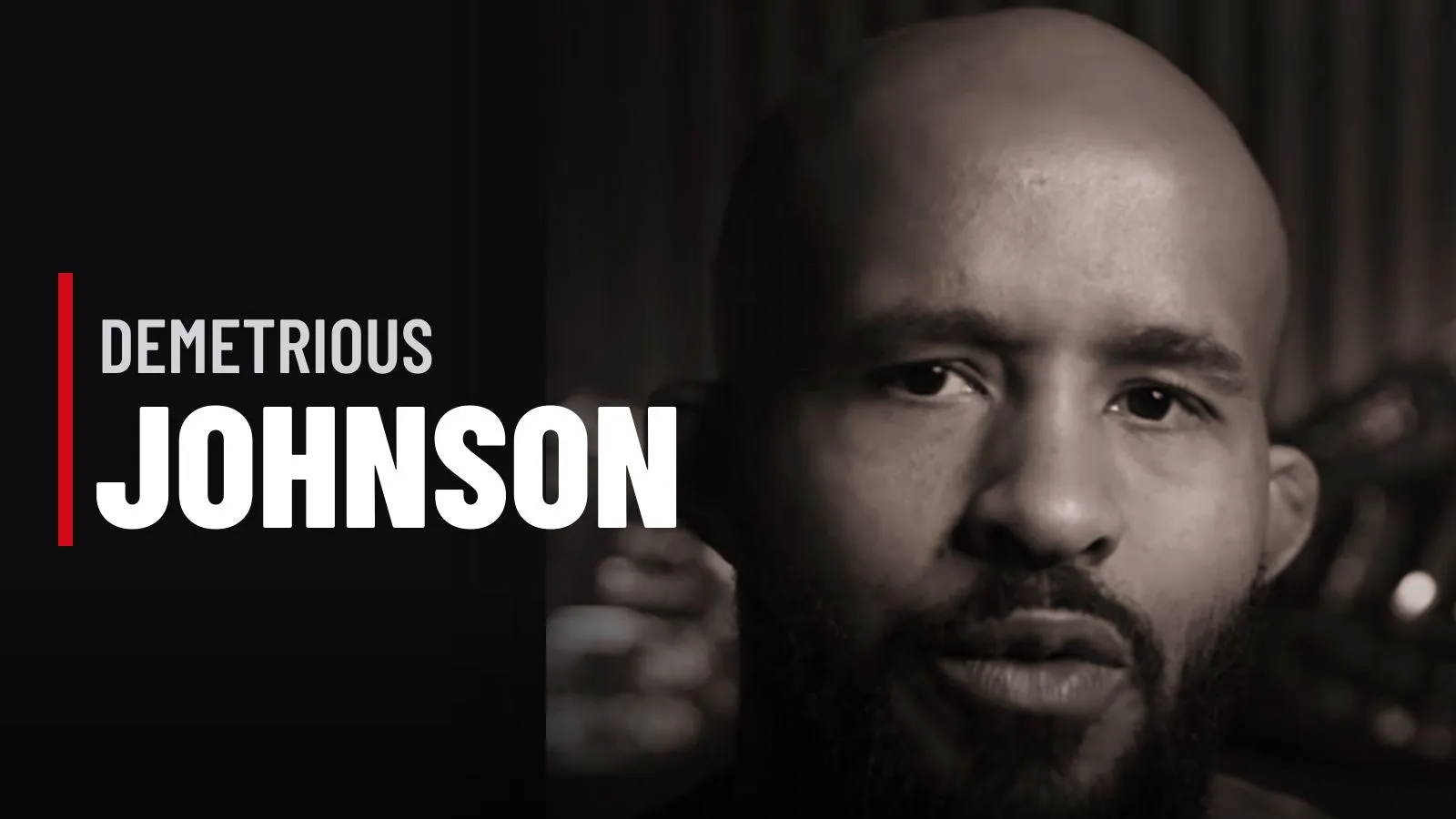
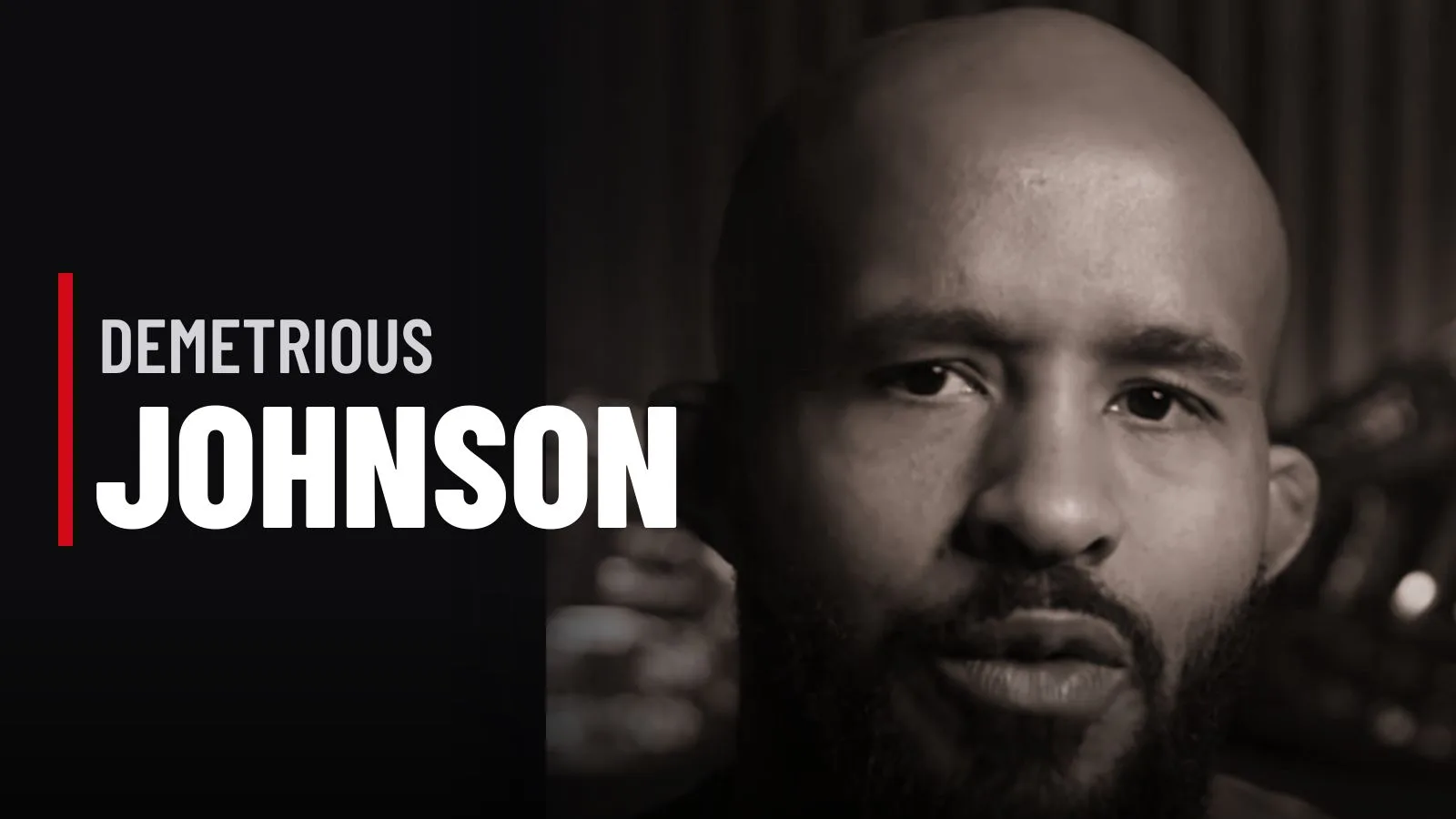
Demetrious Johnson has never been the guy who talks in slogans, which is exactly why the slogan he keeps returning to deserves a hard look. In a set of clips Ariel Helwani posted to X on Monday, the former UFC champion went back to the line that got people riled up the first time. The UFC, in his view, is entertainment, and the company would save everybody a lot of grief by admitting it.
His case this time was tighter, and it hinges on one small word Dana White uses a lot. Best.
“When I hear Dana say, ‘We want to keep the best athletes on the planet,’ then there’s another side to it. ‘They’re not exciting’... You get to f*cking make the matches,” Johnson said.
View post on X
Read that slowly, because it holds up. A sports league with a ranking system and a claim to having the best competitors alive has made a promise to its athletes and its audience. The promise is that winning is the thing that matters. If you beat people, you rise. If you lose, you fall. The moment a fighter can be shown the door for failing to be exciting, a second scoreboard has entered the room, and nobody hands the fighters a copy of the rules for it.
The matchmaker problem
The sharpest part of Johnson’s argument sits in the back half of that quote. You get to make the matches. That’s the hypocrisy he’s pointing at, and I think he’s right about it.
If a fighter is in a dull fight, some of that is on him. Some of it is also on whoever paired him with an opponent whose style was always going to produce a dull fight. Styles make fights, as every coach who ever worked a corner will tell you, and the people choosing the styles sit in an office. Blaming the athlete for a product the promotion assembled is a neat trick. Johnson went on to say the company gets to pick and choose what it wants to do, and he finished with the part I keep thinking about: “Which is fine. Just say it’s entertainment.”
He isn’t demanding the UFC change its business. He’s asking it to describe its business accurately. Those are very different requests, and the second one is almost impossible to argue with. Pro wrestling made peace with this decades ago. Boxing promoters mostly stopped pretending. The UFC still wants the language of a league (rankings, title pictures, “the best athletes on the planet”) while keeping the freedom of a television producer who can drop a cast member whose episode didn’t rate.
View post on X
A black and white guy in a gray business
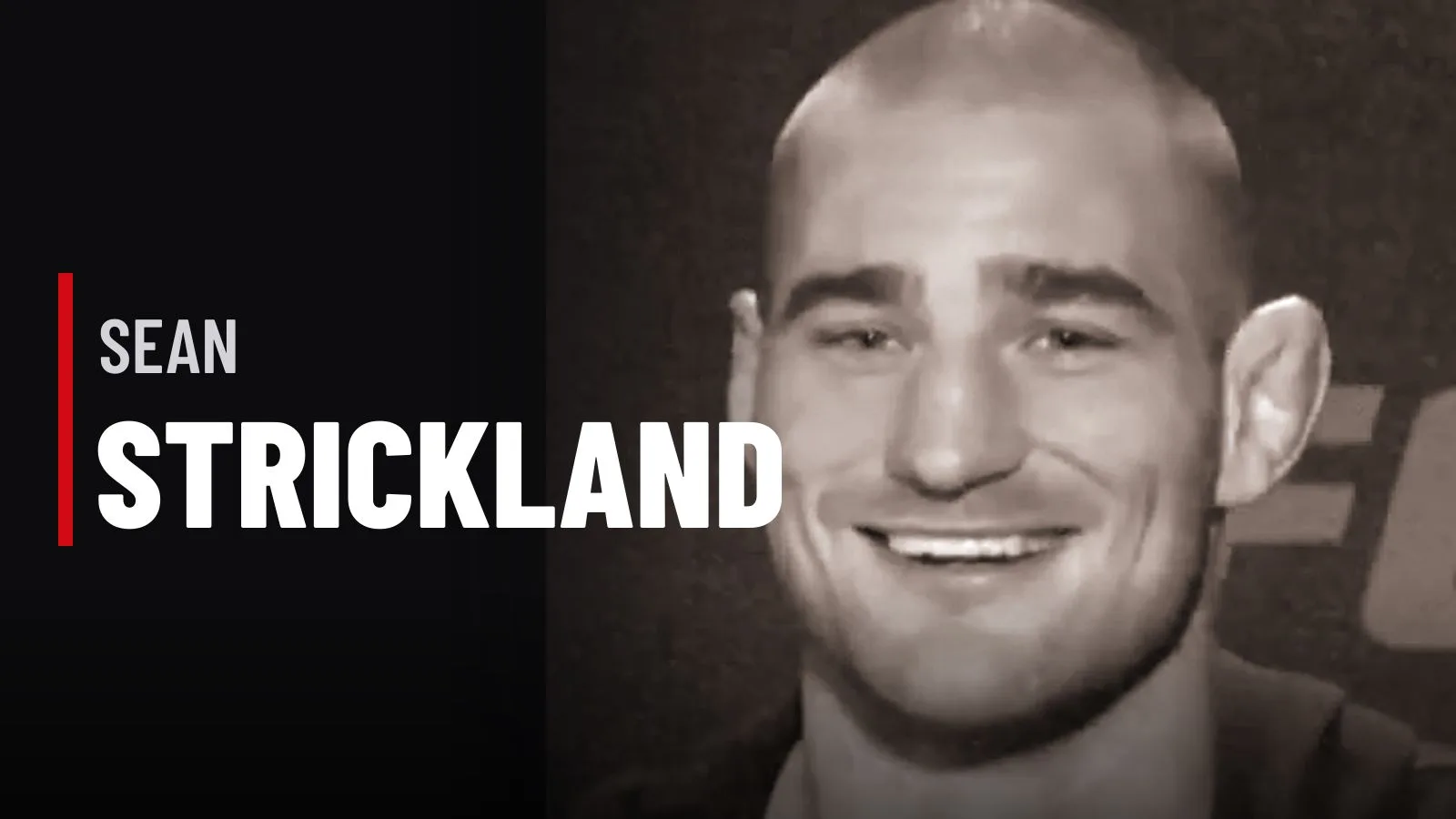
What makes Johnson persuasive here is that he isn’t a reflexive critic of the promotion. In the same conversation, he pushed back on Sean Strickland’s complaints about fighter pay. “When is enough enough? Do I wish I made more money? 100%. But I’m not gonna sit here and gripe and moan about it,” he said, adding that Strickland signed a contract and has five fights left on it.
He described himself plainly: “I’m a black and white type person, right?” And he spoke from experience. “I fought through my contract as a champion because I wanted more money, and they weren’t gonna give me more money,” he said. His advice to Strickland boiled down to one question. “Do you want to fight, yes or no?”
You could read that as Johnson taking the company’s side. I read it as the same principle running in both directions. A contract is a contract, so the fighter should honor it. A sport is a sport, so the promotion should act like one, and if it won’t, it should drop the pretense. He holds the athlete to the terms on the page and asks the UFC to be equally honest about the terms it actually operates under.
There’s a third clip that fits the pattern. Johnson said he doesn’t throw oblique kicks or heel hooks, calling them dirty, and compared a ban on oblique kicks to the NFL’s rules protecting quarterbacks. “It can ruin somebody’s career,” he said. That’s an argument about treating MMA like a real sport with real careers worth protecting, coming from a guy who just said the biggest promotion in it isn’t one.
View post on X
Why it matters
The gap between what the UFC says and how it acts lands on fighters who did everything the league version of the sport asked of them. They trained, they made weight, they won, and they still found out the deciding vote was about whether they were fun to watch. If that’s the job, fine. Fighters can plan around it, managers can negotiate around it, and young prospects can build their games around it with their eyes open.
Johnson’s request costs the UFC nothing but a talking point. Stop telling everyone you keep the best athletes on the planet when what you keep is the athletes you like watching. He’s been a champion, he fought out a contract he didn’t love without whining about it, and he’s earned the right to ask for that much honesty.