Javier Mendez gave MMA Junkie the most useful post-fight diagnosis I’ve heard in a while, and if you read it closely, it argues against the plan his own fighter just announced.
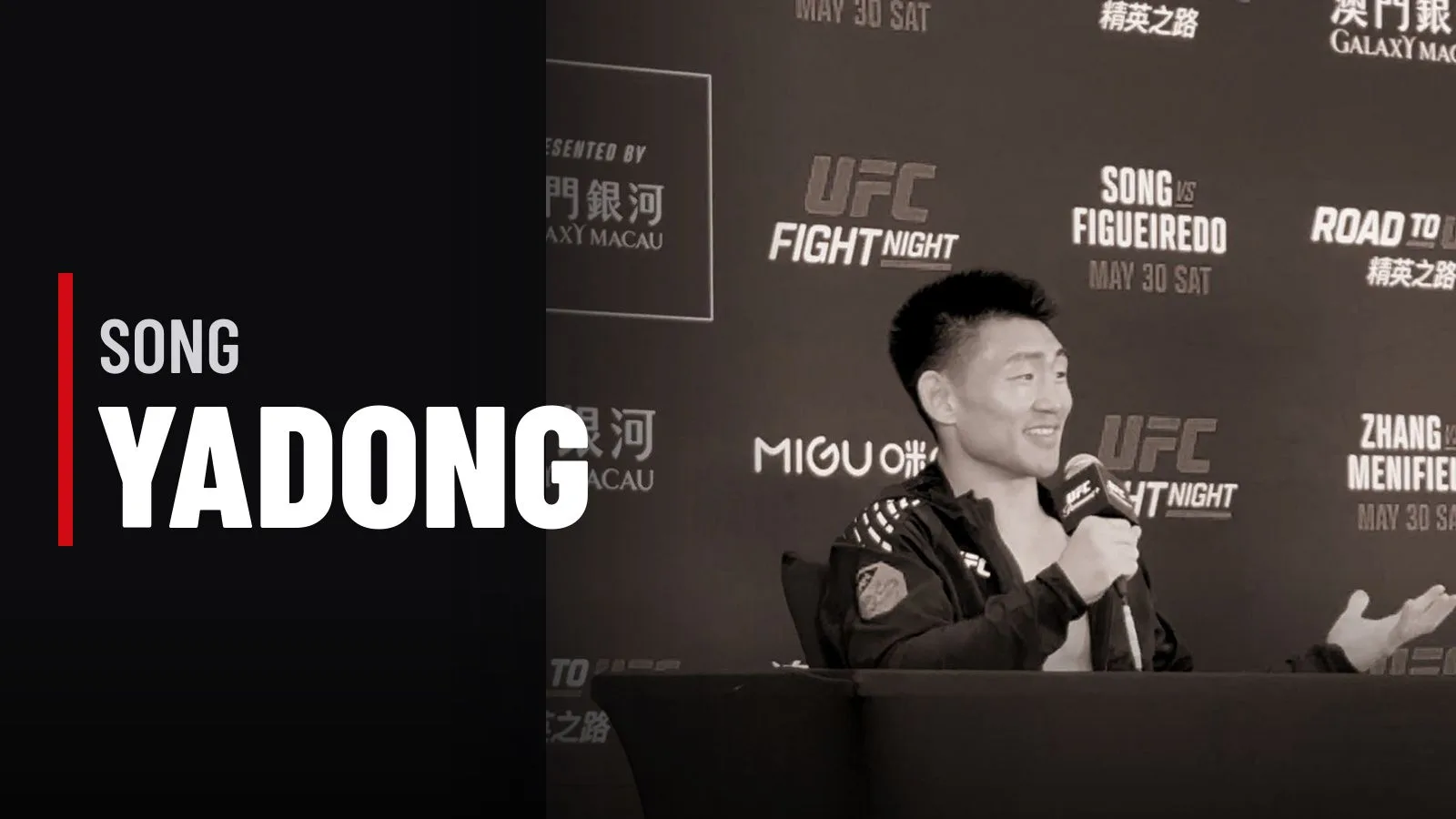
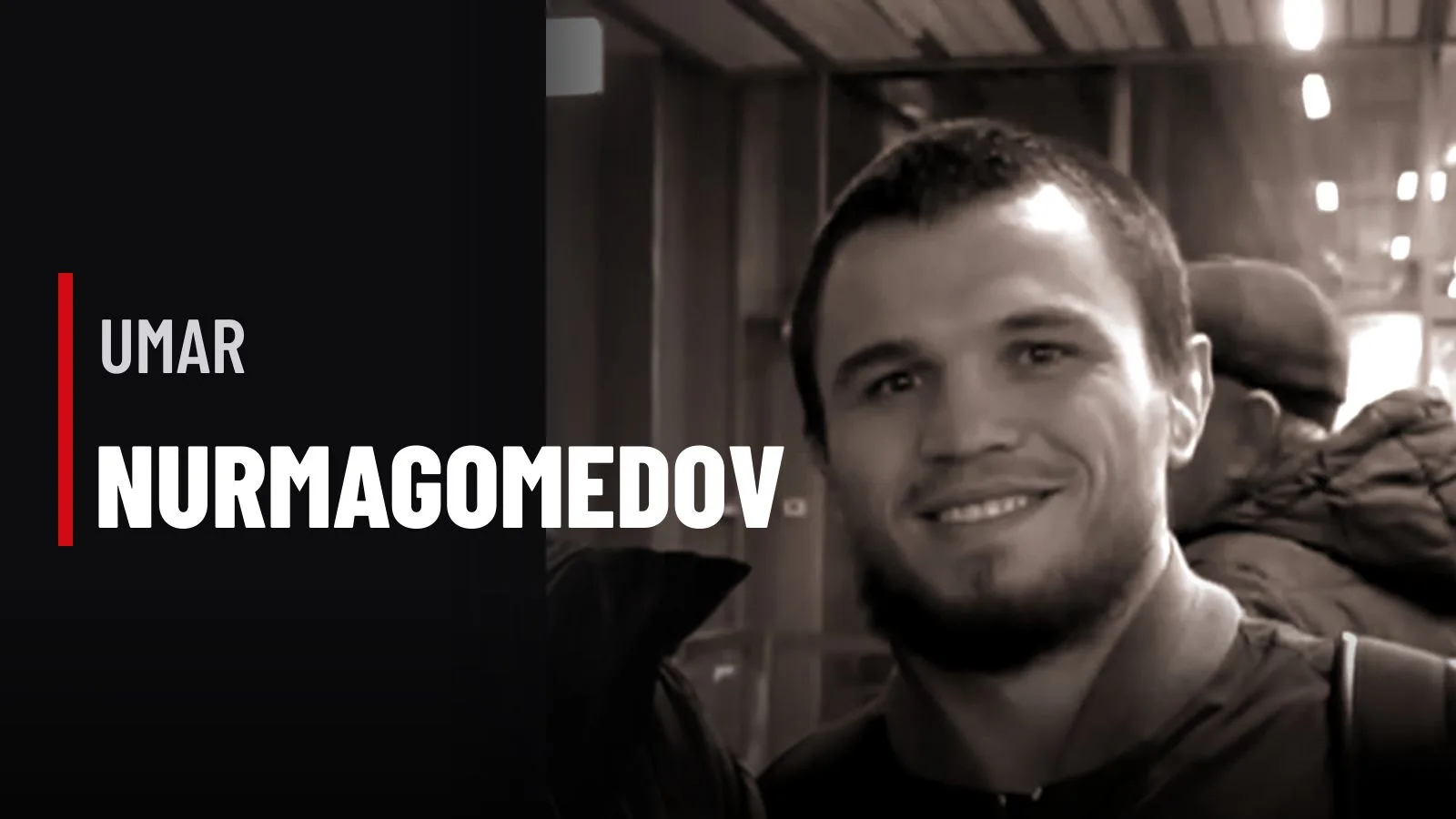
The quick recap. Song Yadong put Umar Nurmagomedov down with one punch in Round 2 of the UFC Shanghai headliner, the first stoppage loss of Umar’s career and one of the bigger upsets of the year. Afterward, BJPenn.com reported, Umar promised a real stylistic overhaul, moving away from his trademark wrestling and toward a striking-heavy approach. Then Mendez, his longtime coach, sat down with MMA Junkie and explained what actually went wrong. The punch that ended the night landed while Umar was in the middle of a takedown attempt.
What Mendez saw
Here’s how Mendez described it: “He turns away, he’s going for a shot, then he (dips), too much time, and the turn. He’s supposed to just shoot in.”
View post on X
Read that as a sequence and it’s a textbook wrestling error under fire. Umar starts his level change, drops, and then lingers in the dip. That pause is the problem. A double leg is safest when it’s fast and fully committed, because your head is moving forward and under the punch. Hang halfway down with your weight stalled and you become a stationary target at exactly the height where a counter lands clean. Then comes the turn, and turning away from incoming fire means you lose sight of the shot. You always hear that the punch you don’t see is the one that drops you. Mendez is telling you that’s literally what happened.
He also said it wasn’t new. According to Mendez, Umar did the same thing twice against Mario Bautista and once against another opponent he didn’t name. The earlier versions didn’t end with Umar on the canvas. In Shanghai, against a man with power, the bill finally came due.
The training-room puzzle
The part of the interview I keep rereading is Mendez’s frustration. “He doesn’t do it in training,” he said, twice, before asking, “So it’s like, what do we correct?”
That’s an honest coach admitting the usual tools won’t work. You can’t drill a fix into a shot that already looks right in the room. If the hesitation only shows up when the gloves are small and the other guy is trying to hurt him, it’s an anticipation response, a flinch triggered by the threat of the counter. That’s why Mendez calls it “a mental little twitch” and why he said he was taking it on personally, adding that he’s “really good at mental strength” and that this is one he needs to “make it right.”
My suggestion, for what it’s worth, would be to build that threat into practice. Partners who throw real counters on every level change, so the shot gets rehearsed under the same fear that produces the dip. A flinch that only lives in fights has to be dragged into the gym before it can be trained out.
Why the striking pivot is the wrong lesson
Here’s where I part ways with Umar’s plan. The hole Mendez identified sits inside the takedown entry. Walking away from wrestling avoids that moment instead of repairing it, and it throws away the thing that makes his hands work in the first place.
View post on X
A wrestler’s jab and right hand land because the opponent has to respect the level change. Every feint toward the hips freezes a puncher for a beat. Strip the shot out of Umar’s game and a counter striker like Song gets to plant his feet and wait, with no reason to worry about getting folded in half. That’s a worse matchup for Umar, not a safer one.
The numbers back up my skepticism. Umar hasn’t won by knockout since he finished Raoni Barcelos in January 2023, almost four years ago. Rebuilding around striking means betting a title run on the least proven part of his game while shelving the most proven part. And a fighter who turns away from incoming punches during a shot will face incoming punches far more often in a kickboxing-heavy fight. I’m not convinced the twitch stays home just because he stops shooting.
The fix Mendez is describing is small and specific. Shorten the dip, keep the eyes on the target, and drive through the hips instead of bailing out. That’s a few inches of commitment, and it’s the kind of adjustment that separates contenders from champions in a stacked bantamweight division. I’d rather see Umar come back as a wrestler who finishes his entries than as a striker trying to prove a point.
When he returns, watch his first level change. If his chin turns before his hips arrive, Mendez still has work to do.