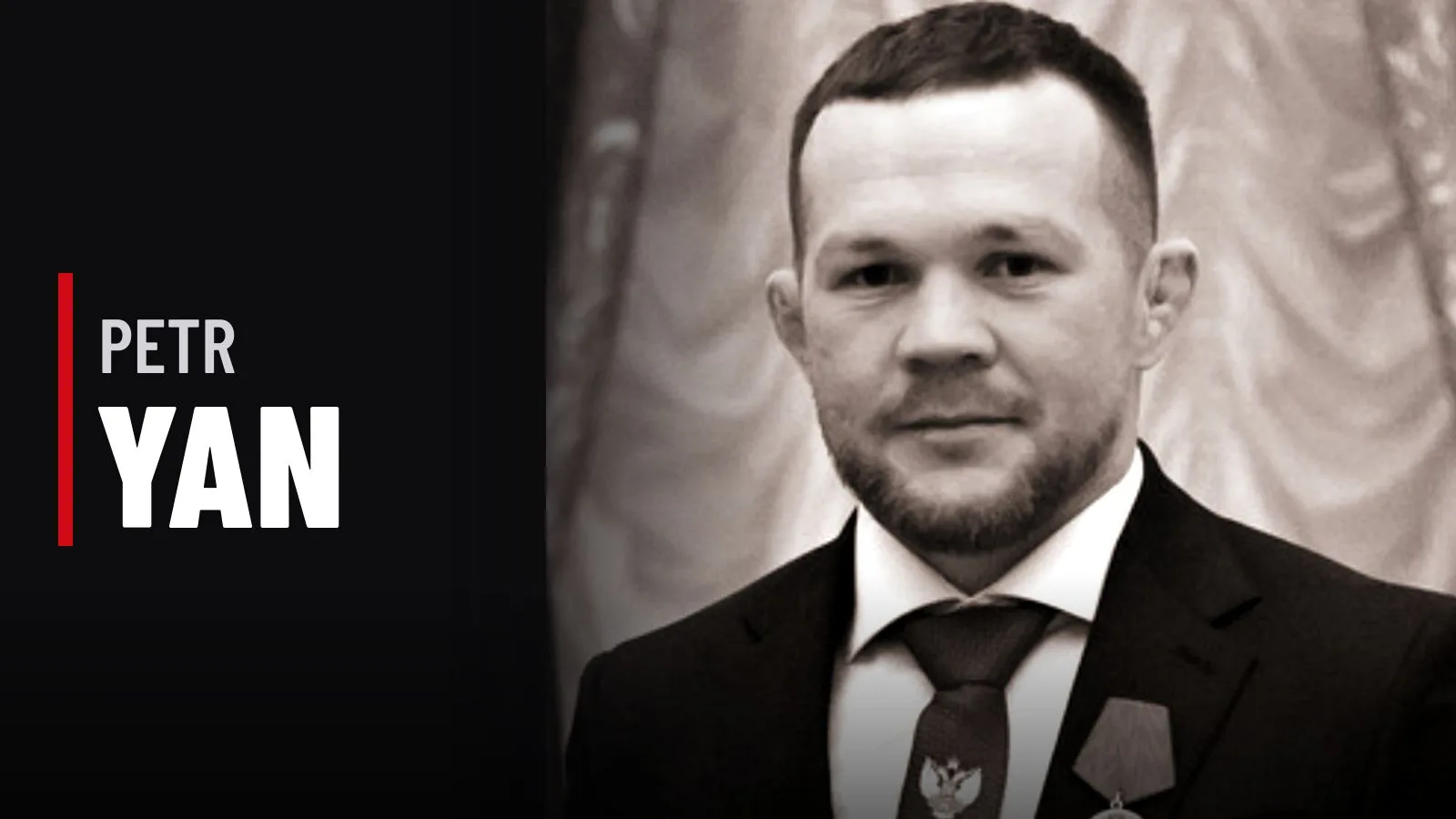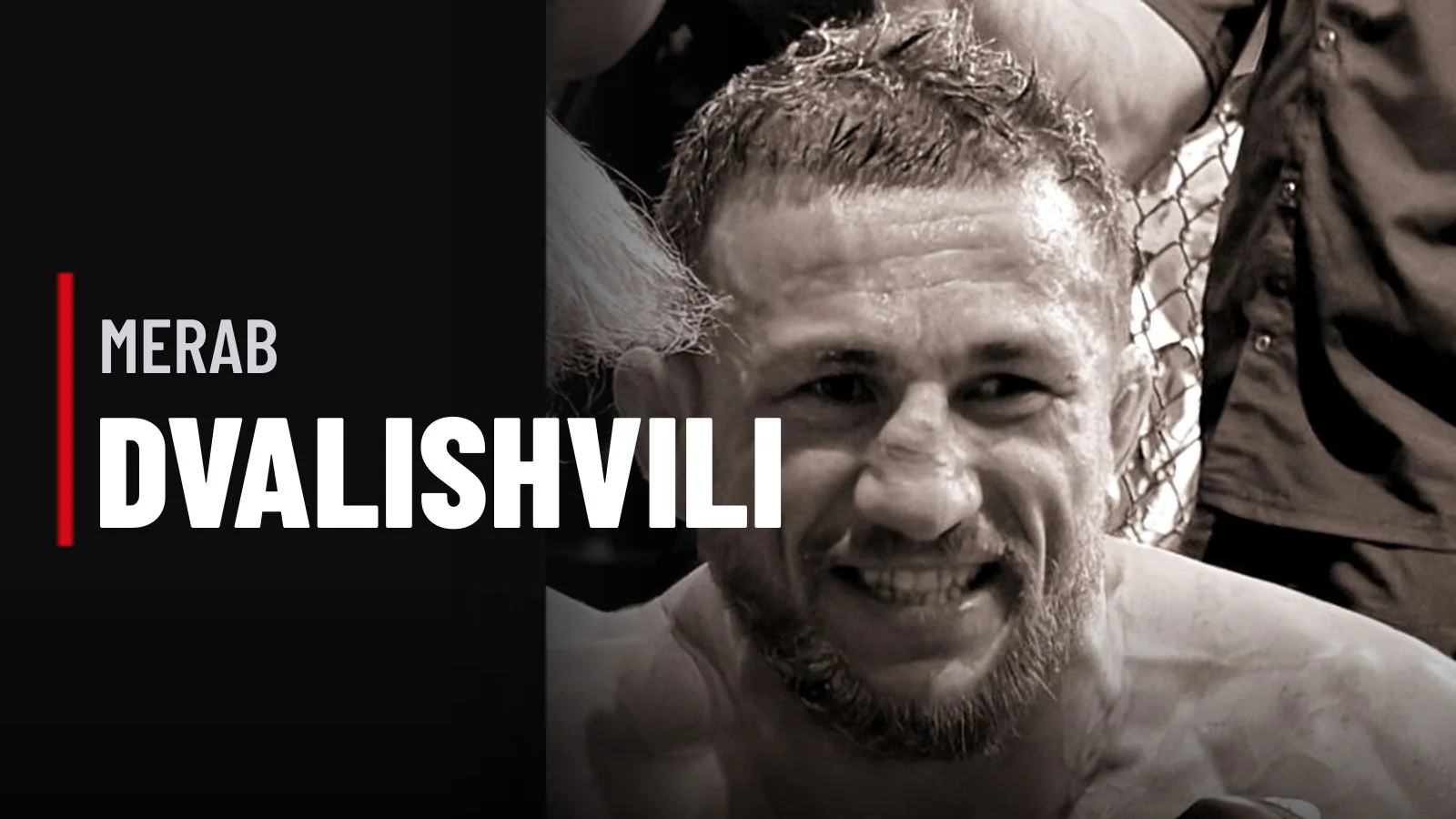
TJ Dillashaw gave his read on Saturday’s bantamweight trilogy in a recent interview picked up by BJPenn.com. He’s leaning toward Petr Yan to keep the belt against Merab Dvalishvili at UFC 333 in Abu Dhabi. The pick matters less than the reasoning behind it, because Dillashaw put his finger on the one piece of grappling math that decides this fight. I think he’s right.
Here’s the setup. Dvalishvili won the first fight. Yan came back, improved dramatically according to BJPenn.com, and took the title from him in the rematch last year. Now Yan defends against the man he beat for it, in what could be the final fight of the series.
The shot economy
Dillashaw’s central claim is blunt. He praised Yan’s takedown defense in the strongest terms and said Dvalishvili’s path to victory runs through relentless grinding and landing takedowns. Then he made the point that should worry the challenger’s camp: “If he can’t get you down and it’s failed shot after failed shot, then his gas tank is never going to be as good as the guy defending shots, even if you are the more in-shape fighter.”
View post on X
That last clause is the whole argument, and casual viewers miss it every time. What follows is my explanation, not his. A double leg is expensive. The shooter changes levels, penetrates, drives through the hips, and then has to finish while carrying a grown man’s weight. When it fails, he has to climb back to his feet and reset. The defender’s job is shorter and cheaper. He sprawls, gets his hips heavy, digs a whizzer or frames on the head, and he’s standing again. One stuffed shot is a rounding error. Fifteen stuffed shots is a tax bill, and the shooter pays all of it.
That’s why pointing to Merab’s superior cardio doesn’t settle anything. Cardio is a budget. If Yan forces him to spend it on attempts that go nowhere, the bigger budget can still run dry first.
What Yan has to repeat
Dillashaw framed Yan’s edge as partly psychological. “I think he had all the answers, and that confidence builds,” he said. He also waved off Yan’s past defeats, saying “His losses are minuscule losses,” and argued that the rematch win convinced Yan he has what it takes.
I’d add a technical note to that. A good sprawl keeps Yan upright, but it won’t win rounds on its own. A champion who only defends gives the judges a fight that looks like the challenger is pressing. Yan needs to make every failed entry cost something on the way out, whether that’s a knee as Dvalishvili’s head comes up or a short combination the moment they separate. Dillashaw’s own line describes the job from the other side: “Merab is never going to stop and you have to beat the bricks off him to win.” Defense keeps Yan in the fight. Damage on the exits is what wins him the rounds.
What Merab has to change
This is where I’ll go a step past Dillashaw. Throwing more volume at Yan is exactly the trap Dillashaw described. If the first shot gets stuffed and the answer is a second identical shot from the same range, the tax bill only grows.
The fix is chain wrestling, which happens to be my favorite thing in the sport. The first attempt should be a setup for the second and third, with each one coming off the defensive reaction to the last. If Yan sprawls on a double, there’s a mat return or a run-the-pipe finish waiting. If he whizzers, there’s a switch to the back. If he squares up on the fence, there’s the body lock. Strikes first, level change second, and the clinch as a place to rest while still scoring. A chained sequence spends energy once and gets three chances to cash it. A single shot spends the same energy for one chance.
There’s also the workload question. Dillashaw raised it himself, saying it’s an open question whether four fights in one year had an effect. BJPenn.com also ran a headline saying Dvalishvili’s coach revealed a major problem he’ll be fighting with at UFC 333. The details weren’t in the material I’ve seen, so I won’t guess at them, but any wear on that engine makes Dillashaw’s math meaner.
The pick
Dillashaw expects a great fight and admitted it’s a tough one to call, and I agree on both counts. Dvalishvili’s pace means he’ll win stretches of this fight, probably early, when the tank is full and the shots still have snap. But the trilogy turns on whether he’s found a way to wrestle that doesn’t bankrupt him against a defender this good. Nothing in the rematch tells me he has.
I’m taking Yan by decision. I’m also hoping the judges score the damage on the exits and ignore a running count of how many times someone grabbed a leg. If Yan gets his hand raised, the follow-up is already teed up. Asked about running it back with Sean O’Malley depending on how Saturday goes, Yan answered: “Why wouldn’t that be the fight?”