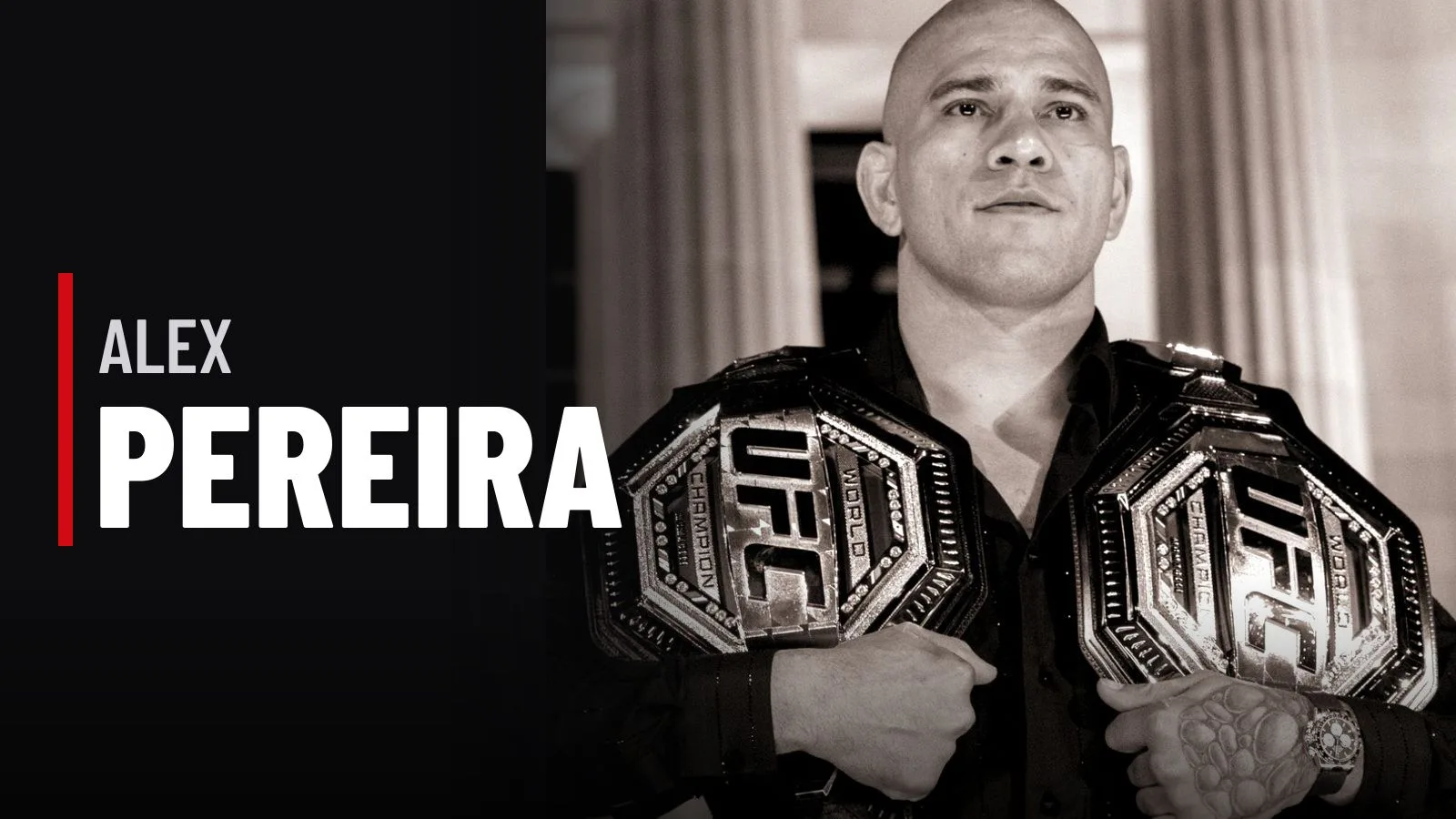
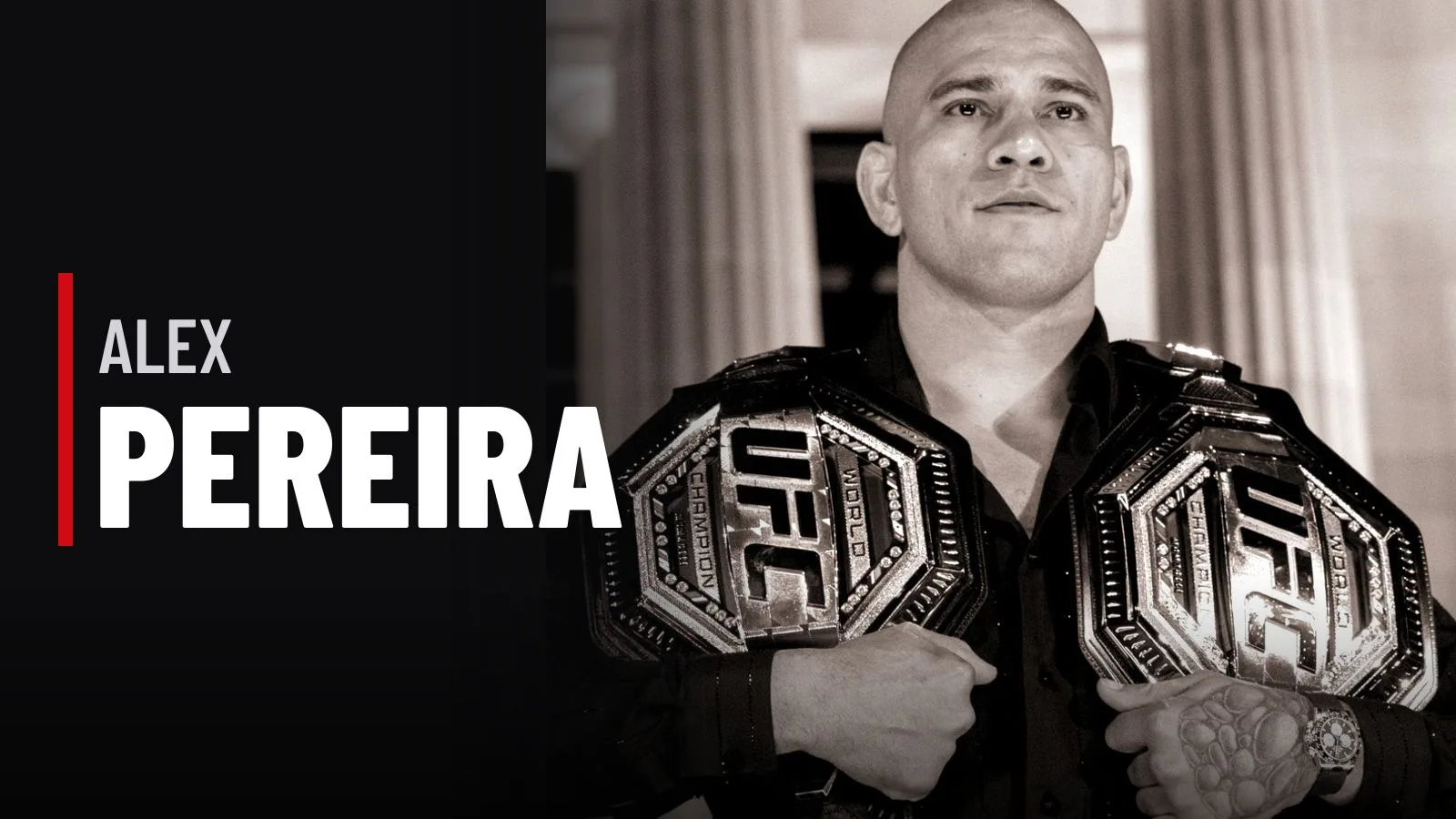
Alex Pereira has spent four months angry at Herb Dean, and most of that anger has been loud and not very useful. He called Dean a coward after losing to Ciryl Gane at the White House in June. He said he will never fight with Dean as the third man in the Octagon again. That’s a grievance. His latest comments are different, because this time he brought an actual proposal.
On The Ariel Helwani Show, Pereira dialed the temperature down. He admitted he felt bad seeing Dean booed at UFC events, which is a decent thing to say about a man you publicly insulted. Then he got to the point. Referees, he argued, should look at the card before fight night and study who they’re about to work with.
“This guy has a record of eye pokes, low blows, elbows. OK, so I gotta stay on top of this guy,” Pereira said, describing how he thinks a ref should read the matchup. He offered a second example, a fighter who tends to pile on extra shots after the knockout lands: “when he usually knocks guys out, he gives three, four or five other heavy shots, so I gotta stay on top of this guy.”
I think he’s right. Mostly.
The Case for Scouting the Fighters
Every coach in the sport builds a game plan off tape. Fighters know which opponents throw the oblique kick to the knee, who extends the open hand on the feint, who grabs the fence when a takedown starts to finish. The one person in the cage responsible for enforcing the rules is often the only one who hasn’t done any homework on how these specific bodies tend to break them.
Pereira’s complaint about the Gane fight centers on punches he believes landed on the back of his head during the Round 2 finish that took the heavyweight title away from him and denied him a shot at becoming the first triple champion in UFC history. I’m not going to relitigate the stoppage here, since the sources only give us his side. But the general problem he’s pointing at is real. Back-of-head shots almost never happen in open space. They happen in finishing sequences, when one guy turtles or turns away and the other is swinging at whatever’s in front of him. That’s exactly the moment where a referee’s positioning decides everything, and positioning is something you can plan.
A ref who knows a fighter tends to hunt the head as an opponent turns can set up on the side where that’s likely to occur. A ref who knows another fighter keeps swinging after the opponent goes limp can close the distance faster on the finish. That kind of preparation makes the official better at the part of the job that protects people.
His lawyer comparison is clumsy but lands. He said attorneys keep studying because the law gets updated. Fighters get updated too. A guy who was a clean technician three years ago might have picked up some ugly habits since. Referees who work off reputation from years back are working off old case law.
Where It Needs a Guardrail
Here’s my reservation. Scouting a fighter’s habits and arriving with a verdict already written are two different things, and the line between them is thin. If a referee walks in believing Fighter A is the dirty one, every accidental clash of heads looks intentional and every wild hook that clips the ear looks like a rabbit punch. That’s a bias problem dressed up as preparation.
So the version of Pereira’s idea I’d sign off on is narrow. Study positions, not personalities. Know where fouls have occurred in a fighter’s past bouts (against the fence, in scrambles, on the finish) so you can stand in the right place. Don’t walk in thinking about who deserves a point deduction.
The broader framing of officials needing better tools and oversight to protect fighters is the part that deserves more than one podcast segment, because it shouldn’t fall on a former two-division champion, who held belts at middleweight and light heavyweight, to design the referee curriculum between training sessions. But he’s the one who said it out loud, and the specific proposal he gave is cheap, sensible, and something a commission could require tomorrow.
I’ll also give Pereira credit for one thing his critics will skip past. Calling someone a coward in June and then saying in October that you feel bad watching that same person get booed is a real adjustment between rounds. I love fighters who make those. It doesn’t erase what he said originally, and he still won’t work with Dean. But he moved off pure grievance toward a fix, which is more than most fighters manage after a title loss.
Pereira returns against Sergei Pavlovich at UFC 335 in December. The referee hasn’t been named, and by Bloody Elbow’s read it almost certainly won’t be Dean. Whoever gets the assignment would be smart to take Pereira’s advice literally and watch both men’s tape before they walk out, because the whole sport will be watching that official’s hands the second somebody goes down.