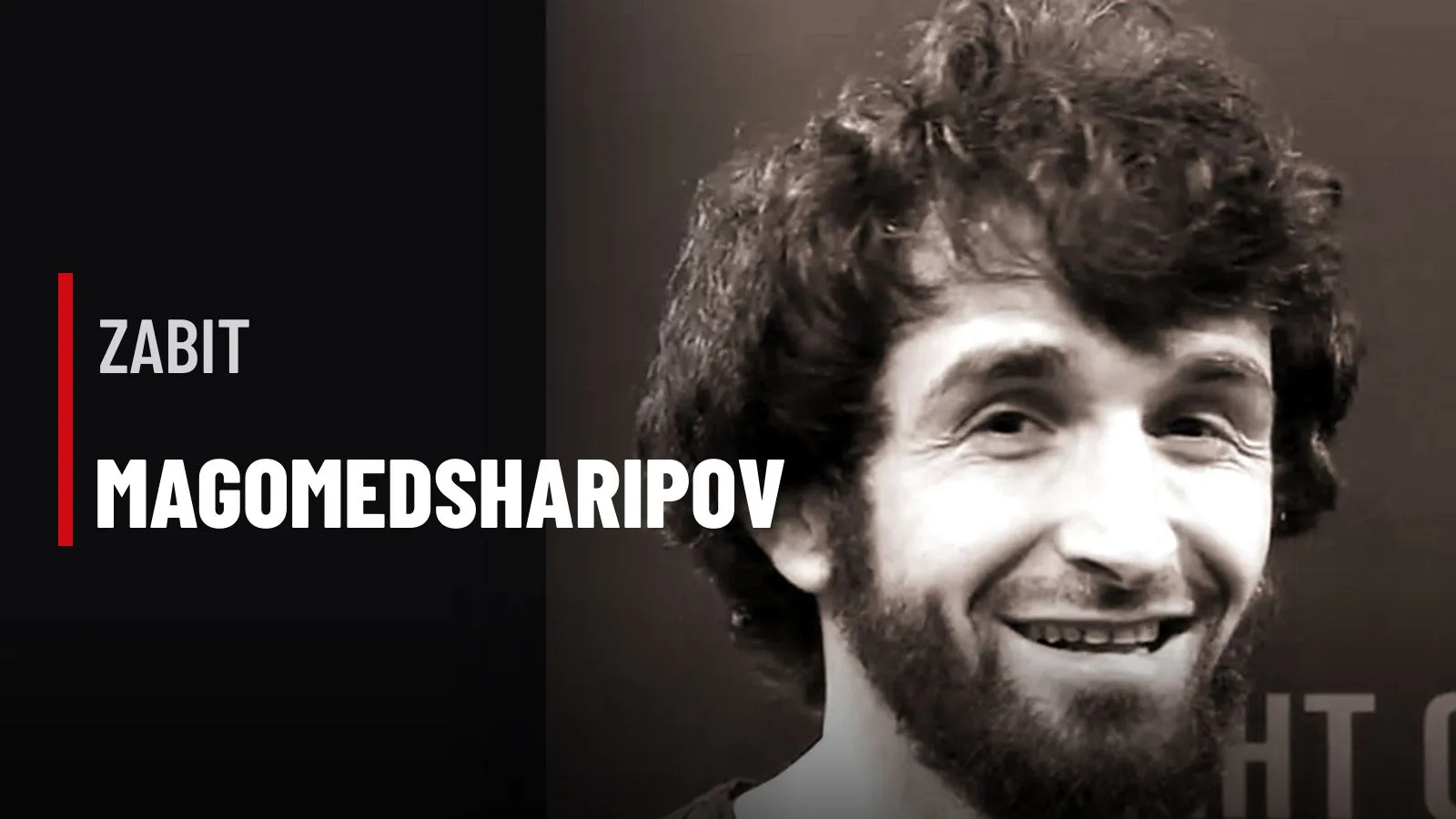
Bloody Elbow posted it on X on Wednesday morning without much ceremony. Zabit Magomedsharipov is set to return on a card headlined by Khamzat Chimaev, and his opponent has been announced. That is the whole sourced picture I’m working from. The post itself doesn’t spell out a rules package, a date, or the name across from him, and I’m not going to pretend it does. What it carried was his name, and for a certain kind of fan that was enough to stop scrolling.
I’m one of those fans. My argument is that the best version of this comeback, the one worth caring about, happens on a mat under grappling rules, far from the walkout music and the countdown graphics. If that’s where Zabit ends up, I’ll take it over another Octagon appearance without a second of hesitation.
What the old rooms actually value
Spend time around the wrestling halls in Dagestan and the first thing you notice is who’s watching. The fighters get watched, sure. But there’s also a bench along the wall with older men on it, coaches and former competitors who have seen thousands of rounds and no longer react to much. A big throw might get a nod. A clean scramble, where someone wins position three times in five seconds without wasting anything, gets a quiet word to the man sitting next to him. That bench is the audience that counts in those rooms. It doesn’t care about pay-per-view numbers, and it has never once asked who won the press conference.
View post on X
I’m wary of turning a whole republic into a postcard, because Dagestani gyms differ from each other the way gyms anywhere do. Some are cramped, some are spotless, and some are run by coaches who would rather you never mention their names in print. What many of them share is a sense that you belong to a line. Who taught you matters. Who taught your coach matters. A fighter who returns is answering to that line as much as to any promotion.
A grappling event strips the sport down to the part that line was built to judge. With no strikes, there’s no lucky punch to bail anyone out and no flurry in the last 30 seconds to sway a judge. What’s left is position, pressure, timing and the grip, all exposed for the length of the match. If you came up in rooms where that was the whole curriculum, there’s something honest about going back to it.
The best case against me
The strongest counterargument is money and visibility. The UFC is where fighters get paid, where legacies get recorded, and where a casual fan in Ohio might finally learn how to pronounce a name. Choosing anything smaller looks like leaving both on the table.
I just don’t think it holds up for a fighter like this one. A legacy in this sport has always been kept by two ledgers. One is the official record and the highlight reel. The other is the memory of coaches and training partners and the guys on that bench, and it’s the one that decides whether your name gets mentioned to a 14-year-old as someone to study. The second ledger has never required a cage. It requires that you showed up and did the work cleanly. A return judged on technique alone writes directly into it.
The spectacle machine has its uses, and I’m not naive about how fighters feed their families. But it also flattens people. It shrinks fighters down to clips and catchphrases, then builds hype trains on three wins and abandons them after one loss. A man coming back after time away doesn’t owe that machine a storyline. Bloody Elbow’s post didn’t give us a trash talk angle or a grudge. It gave us a name, a headliner and an opponent. That plainness suits him.
Why the Chimaev card fits
There’s a nice symmetry in Chimaev sitting at the top of the bill, too. Whatever you think of the noise that sometimes follows him, it’s hard to imagine a crowd tuning in to that headliner that won’t also appreciate a hard grappling exchange. The people buying tickets to that card are, by and large, people who like watching someone get pinned and stay pinned. That’s the right room for Zabit to walk back into.
I’d also argue that a lower-temperature setting is a gift to us as viewers. When a fighter we haven’t seen in a while returns in a full MMA bout, we spend the first round looking for damage and ring rust, and we tend to grade the whole thing on whether he gets hit. On a mat, we get to watch the actual craft, which is what made people care about him in the first place.
I’ll be careful here, because I don’t know the rules for this matchup, and I’m not going to invent them. If it turns out to be a full MMA bout, I’ll watch every second. But if he’s in a gi or a rash guard, with a referee crouched beside him and no gloves anywhere in sight, I think we’ll be seeing him the way the bench along the wall always did.
The opponent has been announced. The first grip will tell us more than any poster could.