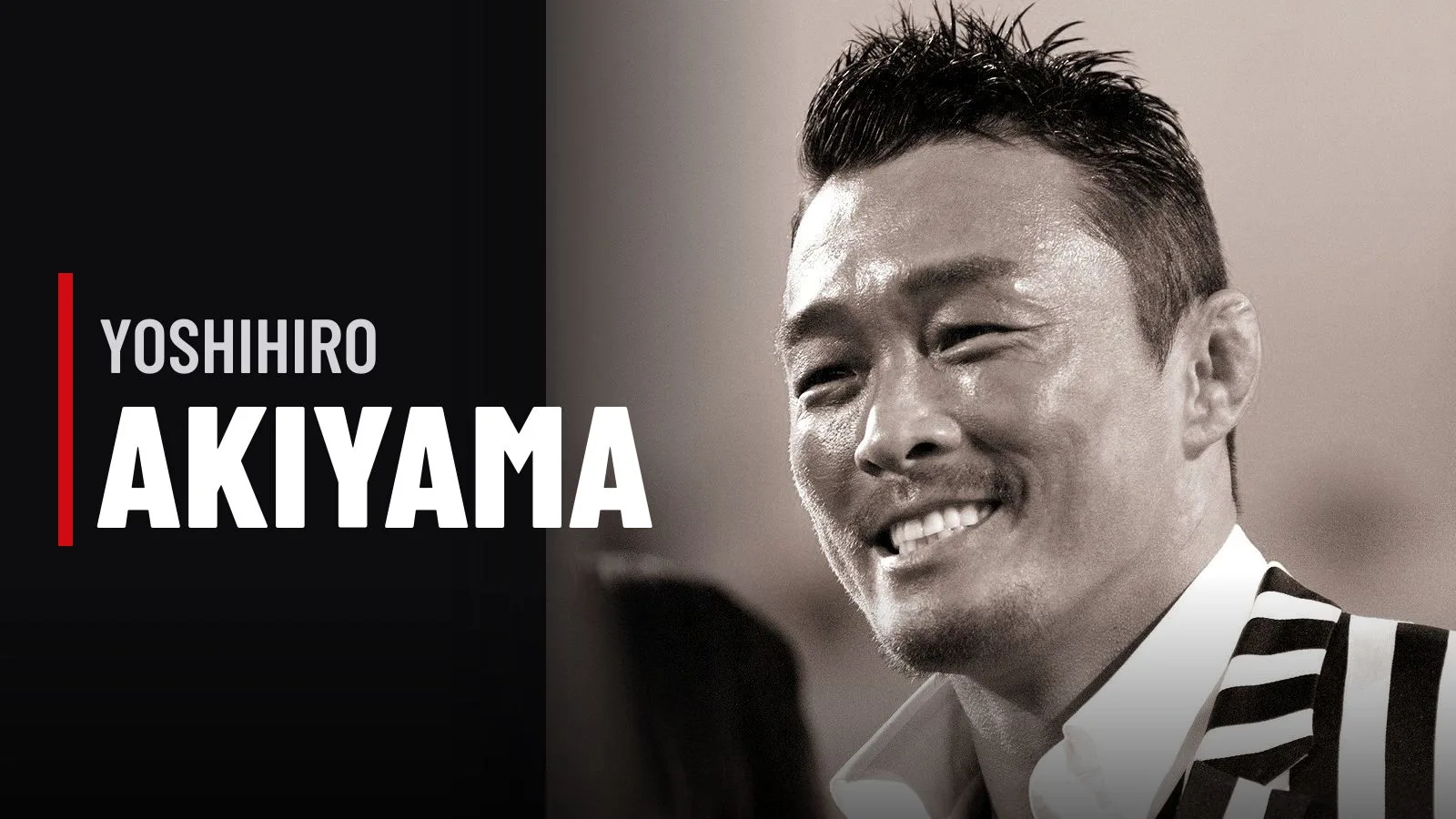
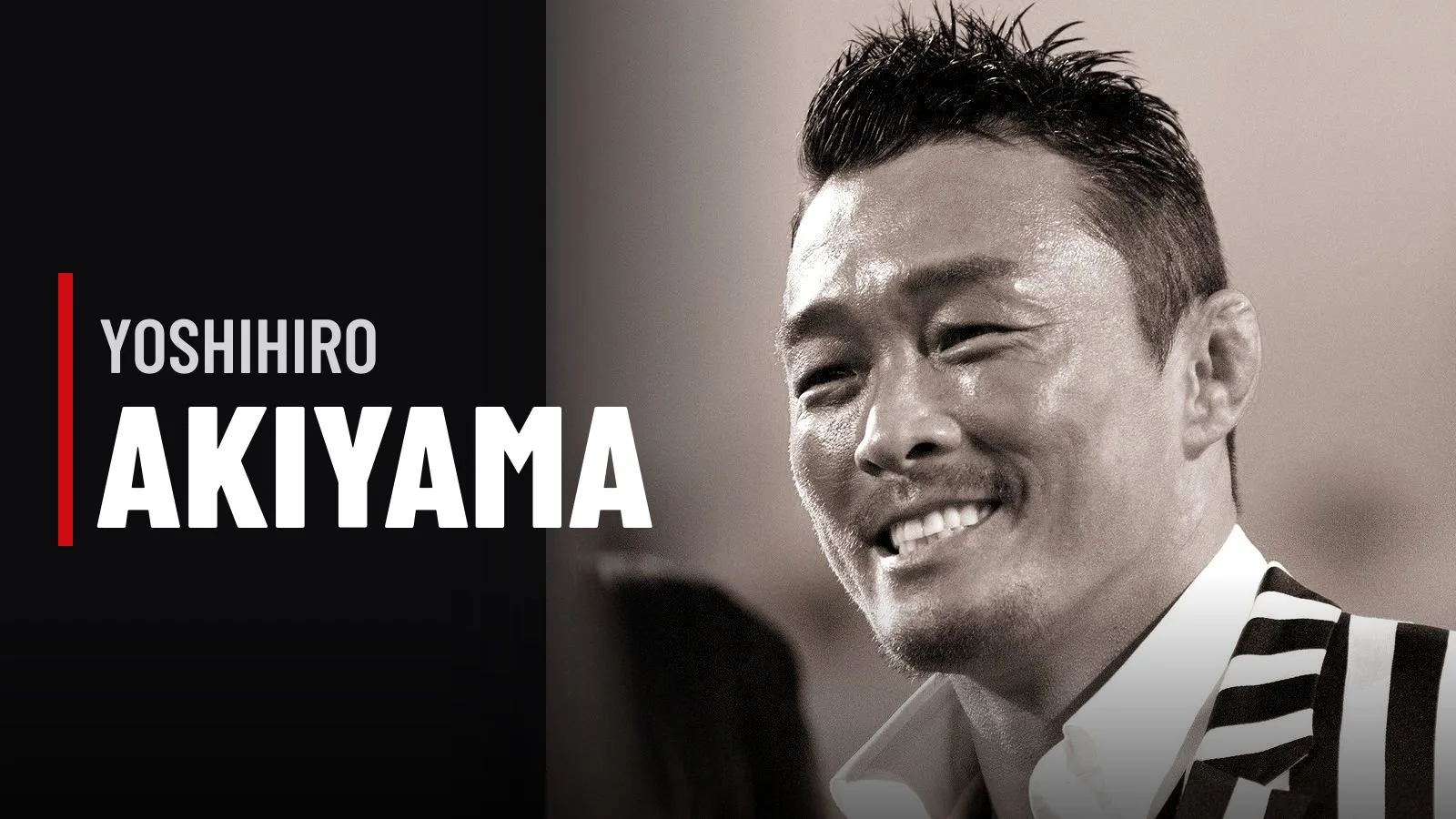
Two of the three reports that crossed my desk on Saturday called him Choo Sung-hoon. Chosun Ilbo used his Korean name in both of its headlines, while Seoul Economic Daily went with Yoshihiro Akiyama. Same man, same night, same result. He lost a rematch to Chris Leben in what was billed as his retirement fight, and at 50 years old he closed out a professional MMA career that ran 22 years. If you learned this sport through English-language coverage, you might have needed a beat to connect the first name to the second. That beat is my whole argument.
For well over a decade, a big slice of Western MMA media had exactly one word ready for this man, and the word was Sexyama. It was the shorthand on forums, the punchline in highlight captions, the thing a certain kind of commentator reached for whenever his name came up. I’m not here to pretend the nickname was a crime. I’m here to say it ate everything else, and the everything else was the good part.
Two Names Are a Biography
Akiyama is Zainichi, part of the community of ethnic Koreans living in Japan, and the double billing in Saturday’s headlines tells you more about his life than any meme ever did. Korean papers claim him as Choo Sung-hoon. Others know him as Yoshihiro Akiyama. A fighter who answers to both names belongs to two sporting histories at once, and anybody who has spent time around Korean and Japanese combat sports knows that position comes with real weight. That’s a story with friction in it, the kind of thing a features writer would kill for, and for years the dominant English-language framing reduced it to a joke about his looks.
Think about what a lazier version of this sport does with a fighter like that. It finds the most marketable surface, laminates it, and stops asking questions. You’d hear about the hair long before you heard anyone ask what it means to carry a Korean name and a Japanese name into the same cage, or which country cheers when you win. Those questions were sitting right there. Somebody just had to care enough to ask them.
The Judo Got Lost Too
He arrived in MMA as a world-class judoka. Judo players who cross over carry a specific kind of education in their bodies: grip fighting, off-balancing, the patience to wait for a lapel and the violence to do something with it once they have it. That pedigree deserved its own conversation. Instead, a lot of Western coverage treated his background as trivia, a line in the tale of the tape, while the nickname took the headline.
I find that maddening because judo is one of the oldest feeder systems this sport has, and the people who come out of it are usually products of brutal room culture and coaches nobody outside the dojo ever names. Every time a judoka gets flattened into a personality bit, the whole lineage behind him disappears along with him.
Twenty-Two Years Is the Headline
Then there’s the grind, which is the part I keep coming back to. Twenty-two years as a professional. A farewell fight at 50. A rematch with Chris Leben, a name every UFC fan of a certain vintage knows, accepted at an age when most fighters are long finished with anything harder than a seminar. You don’t last that long on charisma. You last that long because something in you keeps showing up to practice after the body has started filing complaints.
That endurance is what made him one of Asia’s real pioneers in this sport, a fighter who carried his game across borders and kept carrying it long after the easy money and easy attention had moved on to younger men. Resilience over two decades is about as hard-earned as a reputation gets, and too much of the English-language conversation spent its energy on his cheekbones instead.
The best counterargument goes like this: nicknames are how MMA sells people, and a catchy one probably got an Asian fighter more attention from American audiences than most of his peers ever received. Fair enough, as far as it goes. But attention that flattens a man has a price, and he paid it in the coverage that never got written. Other fighters get a nickname and a profile and a documentary segment about where they came from. For a lot of English-language outlets, he got the nickname and the conversation ended there. Selling a fighter and knowing him are different jobs, and the media covering him mostly picked the easier one.
None of this means the people who loved the Sexyama bit were wrong to enjoy him. He was fun to watch, and fun counts in this business. The failure belonged to the people whose job was to go deeper and didn’t, the writers and broadcasters who had a Zainichi judoka with a two-decade career in front of them and decided the best material was his grooming.
So here’s my modest proposal for the retrospectives that’ll run this week. Lead with the judo. Explain the two names. Count the years, all 22 of them, and the decision to step in with Leben one more time at 50. If you still want to mention the nickname, fine, put it in the fourth paragraph where it belongs.
On Saturday, Chosun Ilbo printed Choo Sung-hoon in two headlines, eleven minutes apart. Western outlets could start there.