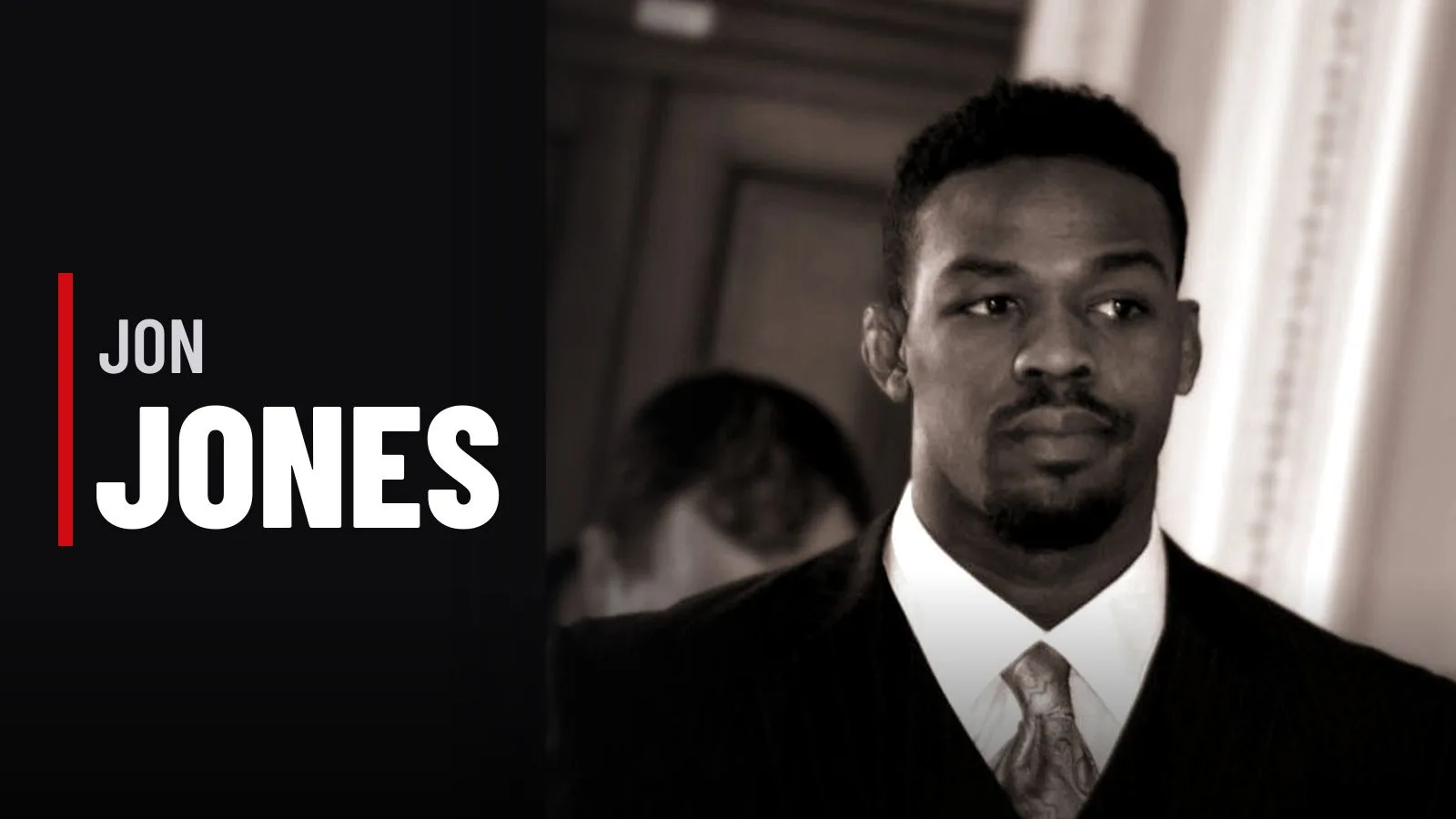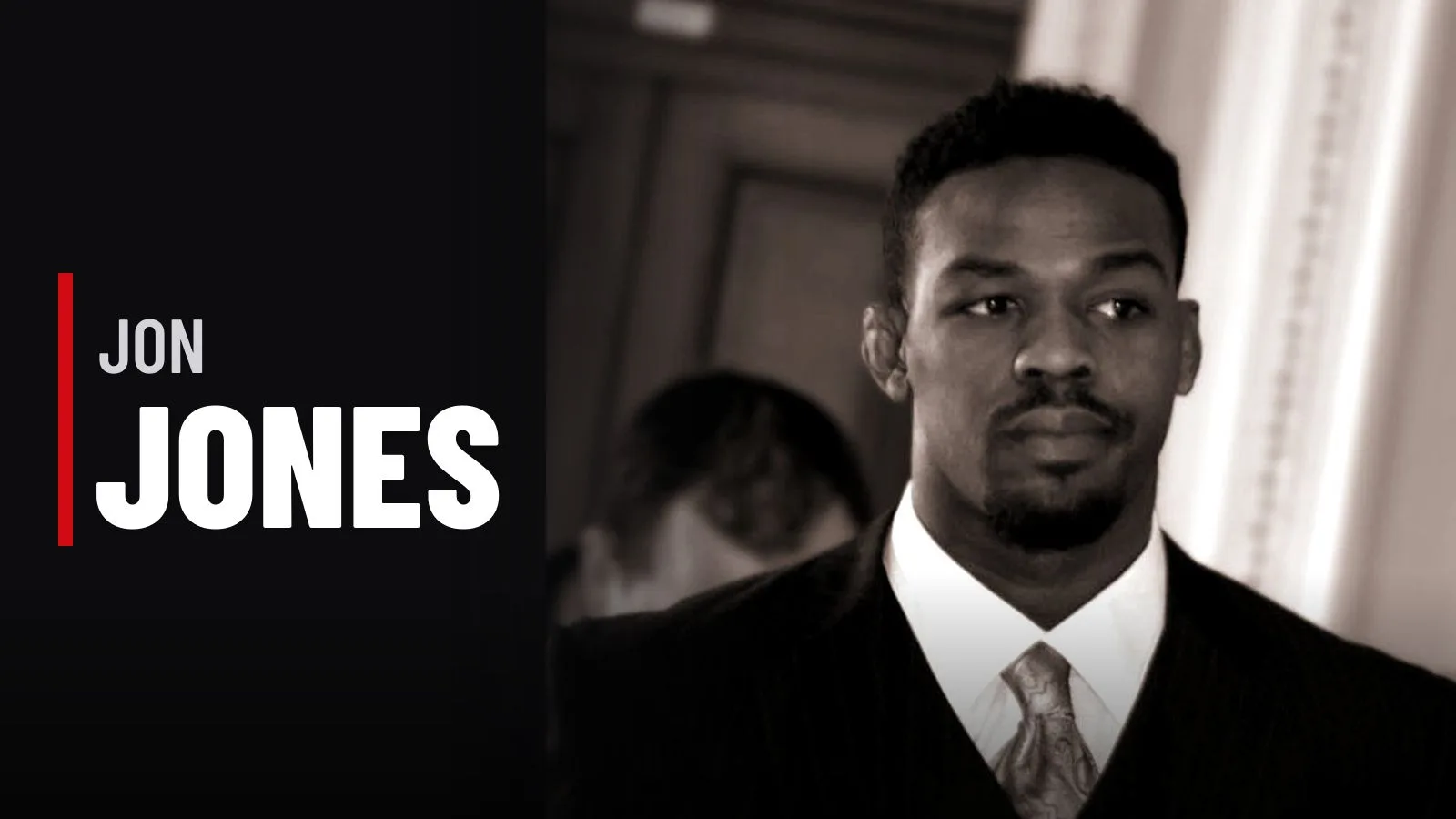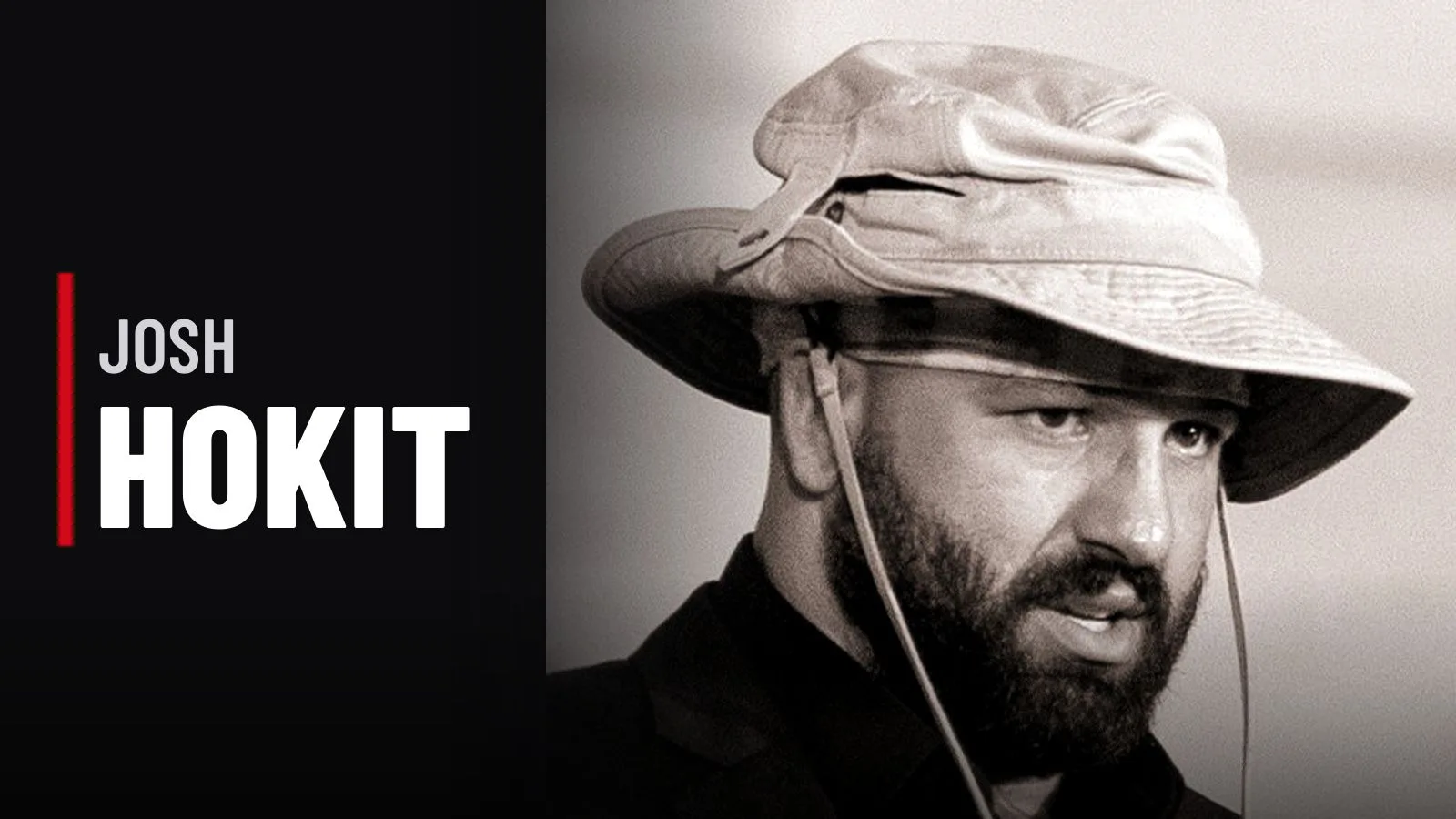
Three judges, three cards, one number. Every scorecard read 48-47 for Ciryl Gane, and the UFC 334 main event against Josh Hokit was officially over while the argument was just getting warmed up. One camp had Hokit getting robbed. The other camp acted like Gane had coasted. Alexander Volkanovski went on his YouTube channel and landed somewhere more useful than either of them.
He agreed with the judges. Then he showed his work, and that’s the part worth fighting about.
How Volk Saw It, Round by Round
Volkanovski gave Gane the opening round and handed Rounds 2 and 3 to Hokit. Gane took Round 4 back on his card, which left a dead-even fight with five minutes to go.
“Very close one. I had to 2-2 going into the last round,” he said.
A one-point margin on all three official cards tells you the judges weren’t seeing a blowout either. When a heavyweight main event comes down to the last round on the scorecard of a guy who has studied as much tape as Volkanovski, you’re in coin-flip territory, and how you settle a coin flip says everything about what you think fighting is.
Here’s how he settled it: “I feel like Gane was a little more calculated and landed better strikes. He did land more in there as well even though Hokit has his moment, so I was like I was leaning towards Gane. I thought it was 3-2 for Gane.”
I like that answer a lot, mostly because of the middle of it. He gave Hokit two full rounds and admitted Hokit had his moment in the fifth. There’s no pretending the guy who lost the decision was never in the fight. He weighed the fifth the way a judge is supposed to, on what landed and how clean it was, and Gane came out ahead on both. “I thought Gane did enough towards the end,” he said, and that’s about as plainly as a scorecard can be defended.
The Pressure Myth
The sharpest thing Volkanovski said had nothing to do with one specific round. It was about a habit that has been warping close fights for years.
He pointed out that people used to treat coming forward as a kind of dominance, scoring the fighter applying pressure ahead of the one on the back foot. He flatly said he doesn’t believe in that.
Then he went further. In his view, when a fighter is effective and composed on the back foot while the other guy marches forward without really knowing what he’s doing, the forward movement shouldn’t earn any credit. His standard is simpler: score it by significant strikes.
He’s right, and I’d say it louder than he did. Walking forward looks like winning, especially from the cheap seats and on a muted TV in a bar. It only counts when something lands. A fighter retreating with his hands in the right place, picking shots and making the other guy miss, is doing the harder job. Rewarding the guy chasing him because his feet happen to point toward the opponent is scoring body language.
He didn’t attach a name to the pressure fighter in that passage, so I won’t either. But if your Hokit-was-robbed take rests on who looked busier moving forward, his breakdown is aimed straight at your card.
Where I’d push back a little is on the idea that significant strikes should settle everything. Raw numbers can lie in both directions. Ten pawing jabs and three shots that snap a head back are not the same output, and judges need room to tell the difference. Volkanovski seems to know that, too, since his case for Gane in the fifth leaned on “better strikes” and calculation before he ever mentioned volume. Quality first, quantity as the tiebreaker. That’s a scoring philosophy I can live with.
Why His Read Carries Weight
Plenty of fighters weigh in on decisions they had no stake in, and most of those takes amount to vibes with a microphone. This one came with a round-by-round breakdown and a clear standard applied the same way across all five rounds. Volkanovski is a two-time featherweight champion who has spent his career winning exchanges by being the more composed guy in the pocket, so he has some authority when he says composure on the back foot deserves credit.
The outrage cycle after a 48-47 decision always wants a villain. Sometimes the judges blow it and deserve the heat. This doesn’t look like one of those nights. Two rounds apiece, a close fifth, and the fighter who landed cleaner and more often in that fifth got the nod on three separate cards.
Hokit fans can be frustrated, and they should be proud of a fight that was close enough to split the room. But in a dead-even fifth round, I’ll take the calmer guy landing the better shots every single time, and so, it turns out, will Volkanovski.