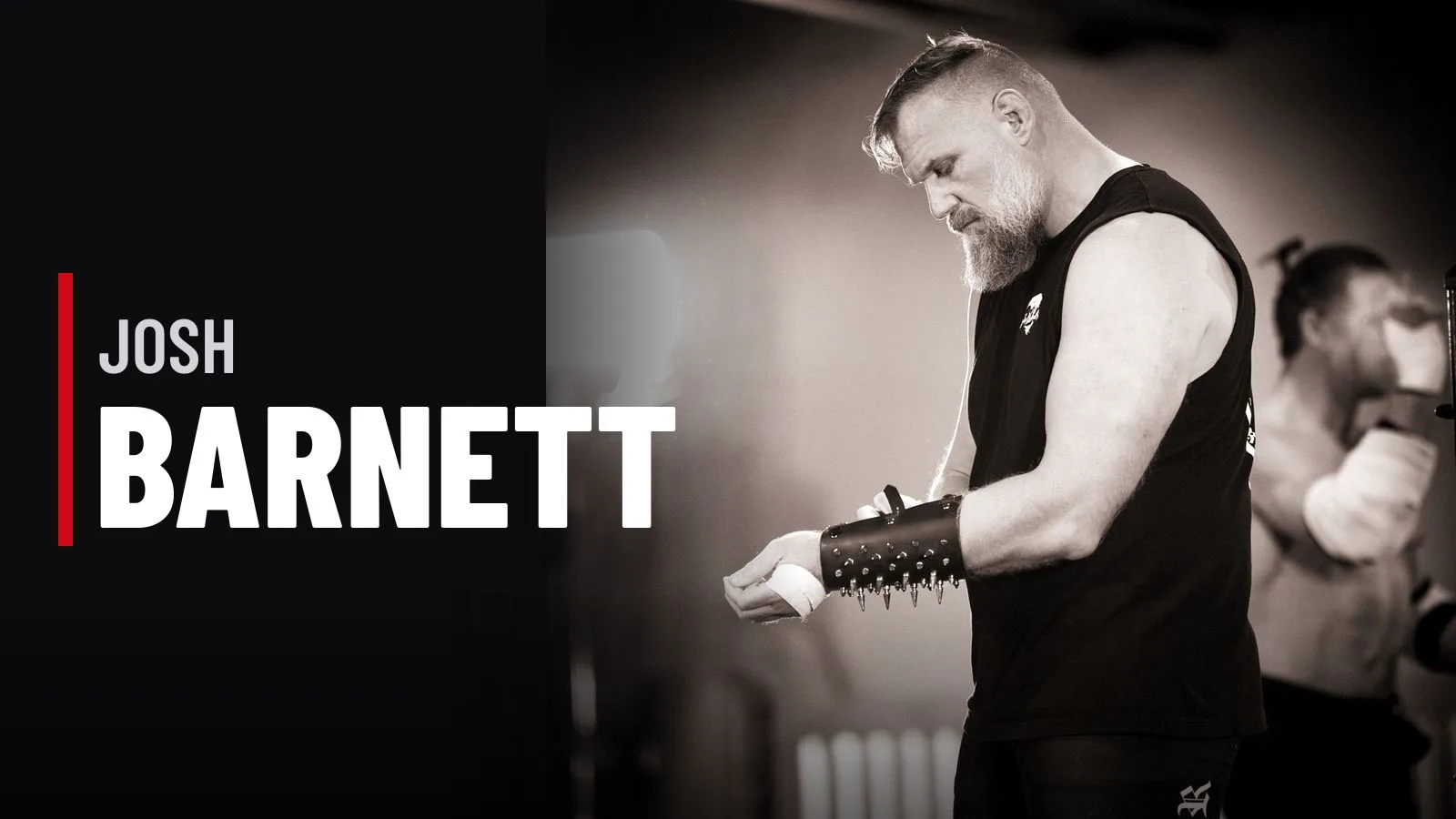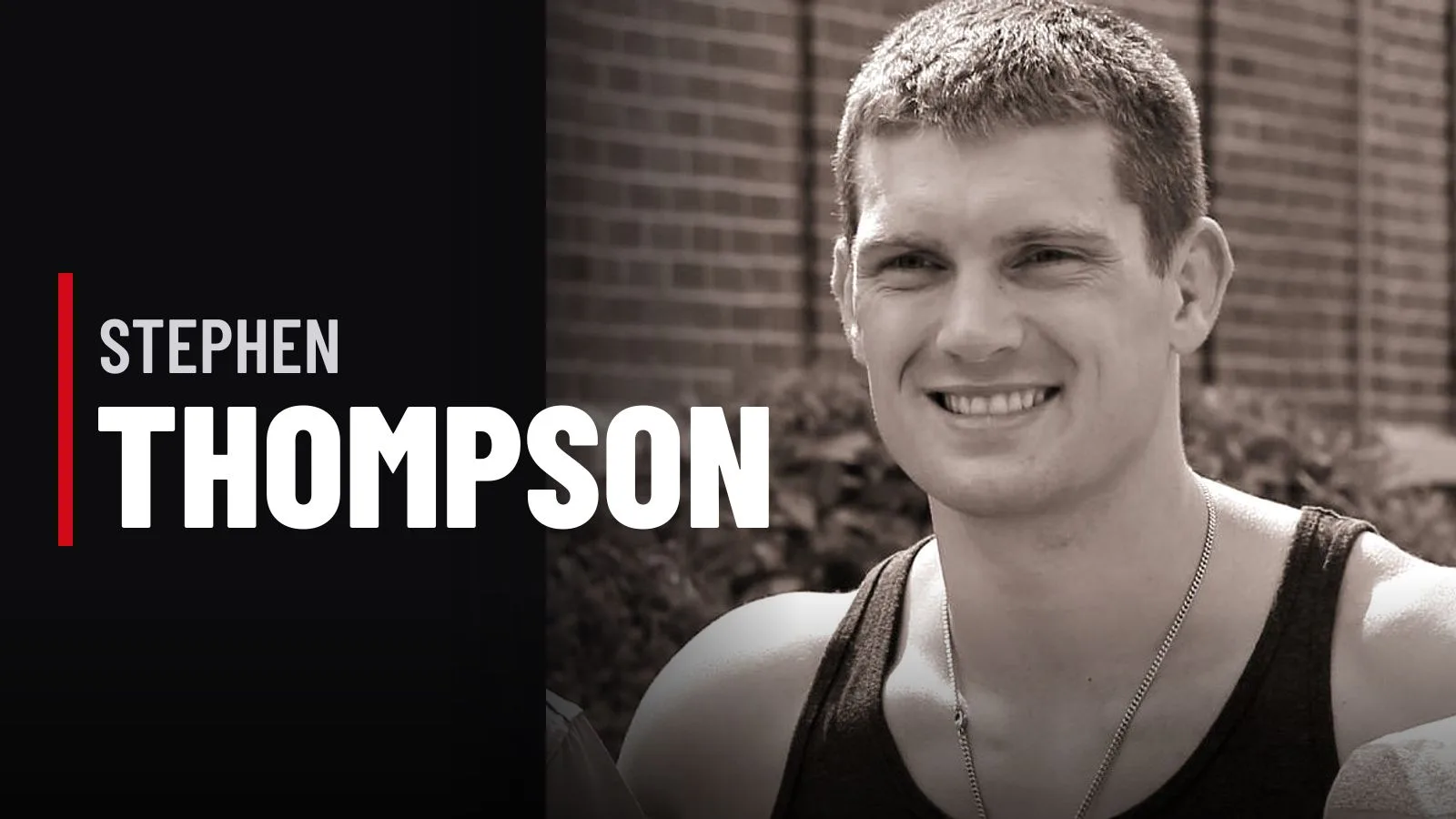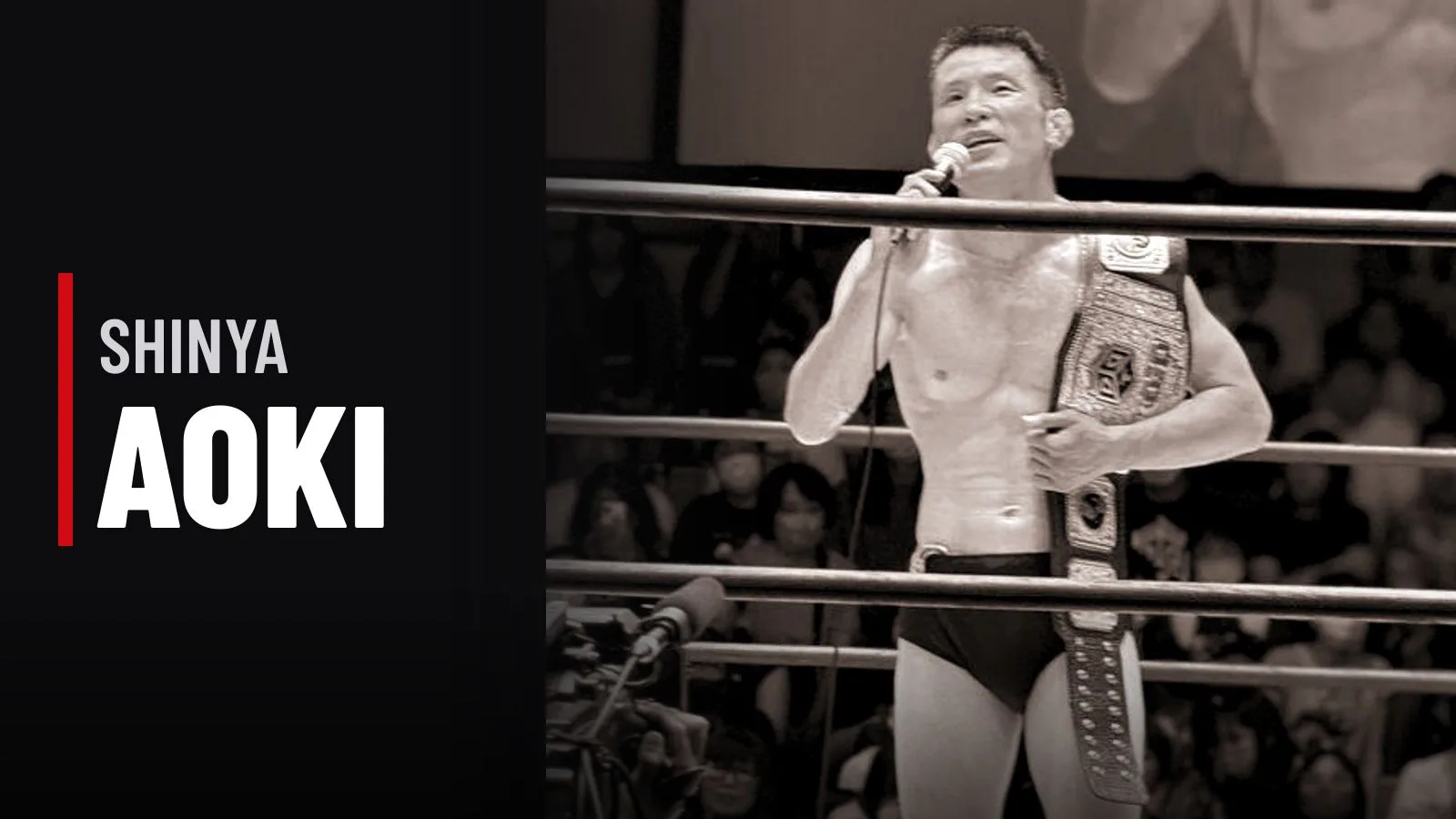
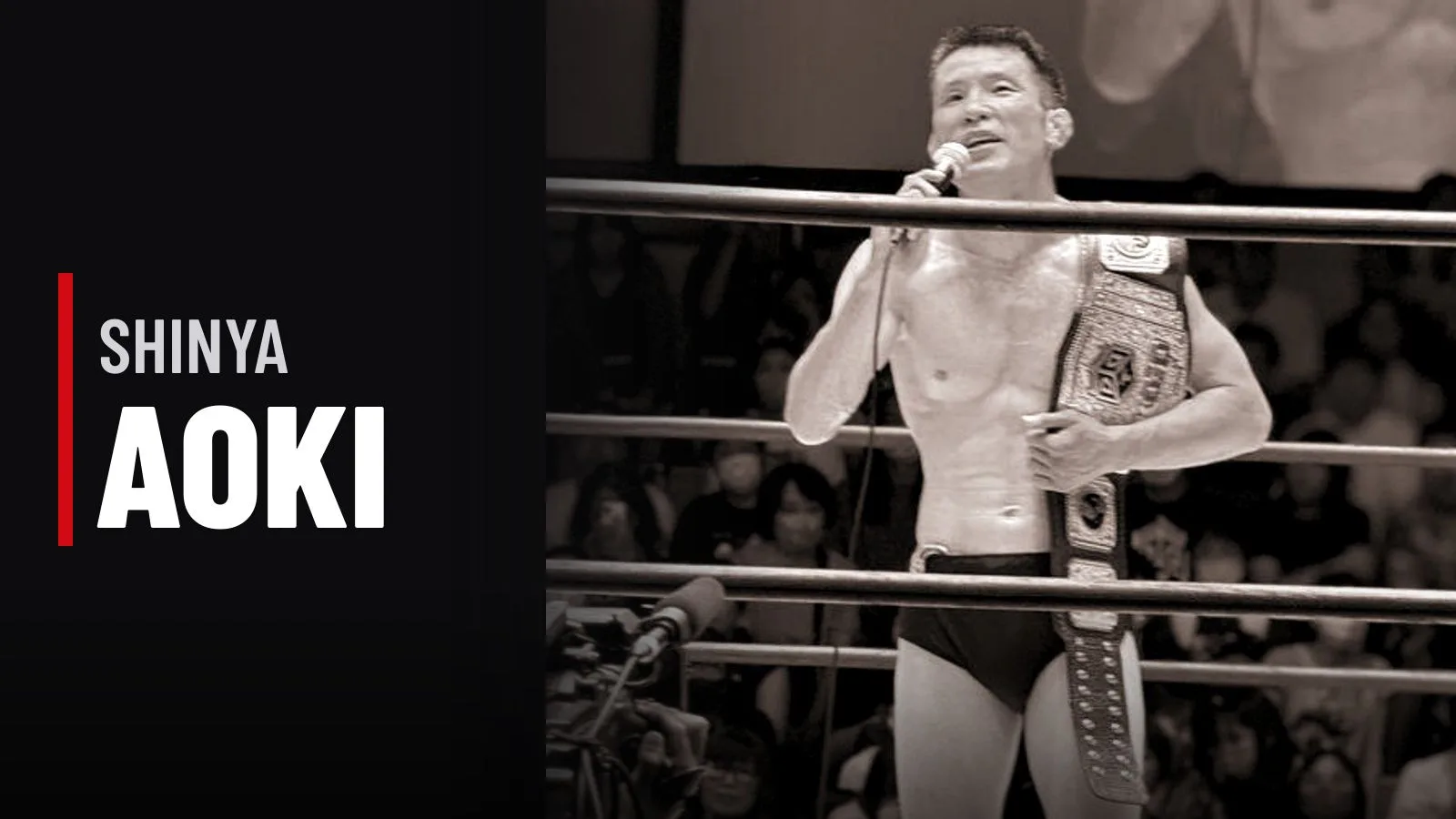
Shinya Aoki broke his own news on Sunday. He posted a link on X under a plain heading that announced his retirement and named the opponent, and RIZIN had the poster up the same day. Aoki versus Taisei Sakuraba, son of Kazushi Sakuraba, at Super RIZIN 6 on December 31 inside Vantelin Dome Nagoya. MMA rules, 71 kilograms, 3 rounds of five minutes each. Doors are scheduled for 11 a.m. and the first bell for 1 p.m. on a Thursday. MiddleEasy confirmed the details a few hours later.
I know what the skeptical version of this column looks like, because I could write it in my sleep. A legend at the end of the road gets matched with a famous surname, the promotion sells the old men a feeling, and everyone pretends a family name is a résumé.
That’s the strongest case against this fight, and it deserves one honest sentence: Taisei Sakuraba is getting a retirement spot on New Year’s Eve partly because of who his father is. Fine. That is the design, and it’s a good one. In Japanese fighting, a name is something you inherit and then have to answer for, in public, under lights. Taisei didn’t get handed a soft debut or a hand-picked opponent with a glass chin. He signed up to be the last man standing across from Aoki, which means walking into the most scrutinized room of his life carrying his father’s name on his back and a whole generation’s memories on top of it. Calling that a free pass gets the weight of the thing backward.
View post on X
Look at what RIZIN titled the show. The event subtitle reads 師走の尾張名古屋下剋上祭り, roughly a December festival in old Owari Nagoya built around gekokujo, the old idea of the lower rank overturning the higher. A promotion put the concept of the young toppling their elders right on the marquee, and then booked its retiring veteran against the son of a man that veteran’s generation grew up around. You can call that sentimental. I’d call it the sport remembering where it came from and asking the next generation to prove it belongs.
The People Who Answered First
The reaction told you everything about what this fight means and to whom. Katsunori Kikuno quote-posted Aoki’s announcement with a single line, “また一つの時代が終わりますね。”, which says that another era is ending. The next day he wrote more. He described Aoki as someone from his own generation who ran at the top in the same era, a man whose character is hard to get close to, and a fighter he respects from the bottom of his heart. Read that again, because it’s the most honest tribute anyone will write about Aoki this year. Kikuno didn’t pretend Aoki was easy to like. He said the respect was real anyway.
Kenji Osawa got straight to it: “おじさん達は見たいよ”. The uncles want to see it, more or less. He’s right, and he isn’t embarrassed about it, which I love.
View post on X
Daisuke Nakamura went somewhere stranger and better. He quoted a line about holding both the ecstasy and the anxiety of being chosen, typed the letters U.W.F. on their own line, and then admitted he was climbing a mountain at dawn in pouring rain, wondering what on earth he was doing. A man hiking through a downpour and posting about U.W.F. because Shinya Aoki’s last opponent was just announced. You can’t market that. That’s lineage, living in people’s bodies.
Keinosuke called it a very New Year’s Eve card. Strasser Kiichi put up a video about the retirement fight and called Aoki great in the post. Nobody in that chorus was talking about pay-per-view buys.
What Gets Lost Elsewhere
Too much of the global fight business has decided that a career ends whenever the contract or the losing streak says it does. A fighter’s last appearance often turns out to be a prelim nobody knew was the last, followed by a statement weeks later. The promotion moves on to the next card, and the next, and the gym that built the fighter gets a mention if the commentators remember. That machine is efficient. It also treats a 20-year relationship with the public like a lease running out.
Aoki is choosing the date, the place, and the meaning. He’s ending it on the biggest night on the Japanese calendar, against a young man whose surname links two eras of the same scene. Whatever you think of Aoki personally (and plenty of people, Kikuno included, have found him prickly), this is a fighter taking responsibility for how the story closes and handing the next guy a real test on the way out.
View post on X
I don’t care much about whether it’s a competitive fight on paper. That misses why a fight like this exists. The question it asks is whether Taisei can stand in front of history for 15 minutes without blinking, and whether Aoki, whose whole career has been about being difficult to deal with, can be difficult one last time.
On December 31, a little after 1 p.m. Nagoya time, the uncles Osawa mentioned will be in their seats at Vantelin Dome, and a son will walk out under a name he didn’t choose to meet a man who chose everything about this night.