Fast facts
- Division: Welterweight, ONE Championship
- Record: Professional since a November 2003 debut with DEEP
- Nationality: Japanese
- Team/gym: Paraestra Shooto Gym under Yuki Nakai; co-founder of Nippon Top Team (2008, with Masakazu Imanari and Satoru Kitaoka)
- Notable wins: Eddie Alvarez (heel hook, WAMMA lightweight title), Joachim Hansen (gogoplata; later armbar for the DREAM lightweight title), Tatsuya Kawajiri (Achilles lock), Gesias Cavalcante, Caol Uno, Mizuto Hirota, Akira Kikuchi (Shooto welterweight title)
Shinya Aoki started as the kid nobody wanted around. By his own account he was a problem child, isolated by his classmates, and the place that took him in was the judo club at his elementary school. That small detail explains most of what came after. Judo gave him somewhere to belong, and then judo spent years telling him he was doing it wrong.
The judoka who wouldn’t throw the right throws
In junior high, Aoki was behind his training partners, so he simply trained more. He went to other clubs and other teams on his own time. He read about wrestling and sambo in books and magazines and brought those ideas back to the mat, which is where the strange, eclectic grappling that later broke arms in Saitama got its start.
View post on X
It worked. His coach eventually suggested he aim for the national team, and Aoki turned it down, by his own telling to spite a man who’d once looked down on him. He went further than that, transferring to Shizuoka Gakuen Junior and Senior High School so he could compete for a rival program. Holding a grudge was a training method for him.
The traditionalists never warmed to him. He described his judo career as “a battle against the tacit notion that a judoka’s favorite moves must be seoi nage, uchi mata and osoto gari.” He got scolded for striking a victory pose at a tournament. At Waseda University he became a star of the judo club anyway, winning with things like flying juji-gatame, waki-gatame and kakato-jime, techniques that look like a wrong turn until the other guy is tapping.
He also admitted to keeping holds on after opponents tapped, to get revenge. That’s an ugly confession, and he made it plainly. In his third year at Waseda he was thrown off the team. By then he was already a Kazushi Sakuraba fan, drawn to a man who kept beating much bigger opponents in PRIDE, and he was already training MMA. He turned pro that same year.
Building the weapon
Aoki went from the judo-based RJJ gym to Team Roken alongside his longtime friend Masakazu Imanari before landing at Paraestra under Yuki Nakai, the former Kosen competitor who gave him his A-class Shooto rank and his BJJ black belt. Nakai is the quiet center of this whole story. Aoki became one of the gym’s main teachers, and he collected grappling hardware along the way: two All Japan Jiu-Jitsu titles, a Japan Open, a Budo Open, an ADCC Japan title.
His debut in November 2003 was a one-night DEEP tournament, won with fast armbars. Against Keith Wisniewski he broke the arm with a standing waki-gatame. He lost a decision to Hayato Sakurai in Shooto that plenty of people considered controversial, then beat Akira Kikuchi for the Shooto welterweight title.
PRIDE came in August 2006. He triangled Jason Black in under two minutes at Bushido 12, then triangled Clay French in under four after Gilbert Melendez pulled out injured. On New Year’s Eve he submitted Joachim Hansen with a gogoplata, only the second one ever landed in MMA (Ryusuke Uemura had the first). He was supposed to represent Shooto in the PRIDE lightweight grand prix, and then Zuffa’s owners bought PRIDE and the tournament disappeared.
DREAM years
This is the stretch that made him. At DREAM 4 he finished Katsuhiko Nagata with a mounted gogoplata, possibly the first ever in professional competition, a move that came to be called the Aoki-plata. At DREAM 5 he went the distance with Caol Uno, then came back the same night to face a fresh Hansen, who stopped him at 4:19 of Round 1 to become the first DREAM lightweight champion.
On New Year’s Eve 2008 he met Eddie Alvarez for the WAMMA lightweight belt. Alvarez threw him down hard, and in the scramble Aoki found a foot, adjusted his grip on a heel hook, and Alvarez tapped with ligament damage in his knee. A few months later David Gardner, with Aoki already on his back, waved to the crowd and said “Hello, Japan!” Aoki finished him with a rear-naked choke from right there.
The losses were brutal and short. Sakurai stopped him in 27 seconds in their 2009 rematch. Fedor Emelianenko tapped him with an Achilles lock in a five-minute exhibition. But in October 2009 he armbarred Hansen in the second round to take the DREAM lightweight title, then defended it against Tatsuya Kawajiri with an Achilles lock in just under two minutes.
The Hirota night
You can’t profile Aoki honestly without this one. At the end of 2009, against Sengoku champion Mizuto Hirota (who had just beaten Aoki’s friend Satoru Kitaoka), Aoki locked a hammerlock and broke Hirota’s arm at 1:17 of Round 1. Then he gave his downed opponent the finger and ran around the ring doing the same to the crowd. The crowd cheered. DREAM executive Keiichi Sasahara and Nakai himself were among those who found it offensive.
Aoki apologized and doubled down in the same breath. Hirota wouldn’t tap, he explained, and so he broke it. “I was stopped afterward, but even if I hadn’t been, continuing to break it more would have been fine by me.” Paraestra Kasai dismissed him as an instructor. He kept training under Nakai anyway, and kept representing Paraestra, which tells you something about Nakai.
The next year brought his American debut, a loss to Strikeforce champion Gilbert Melendez on CBS, and a hybrid-rules exhibition with K-1’s Yuichiro Nagashima in which Aoki clinched and dropped to the mat to survive the kickboxing round, drew boos from a Japanese crowd that rarely boos, and got flying-kneed four seconds into the MMA round.
Where he is now
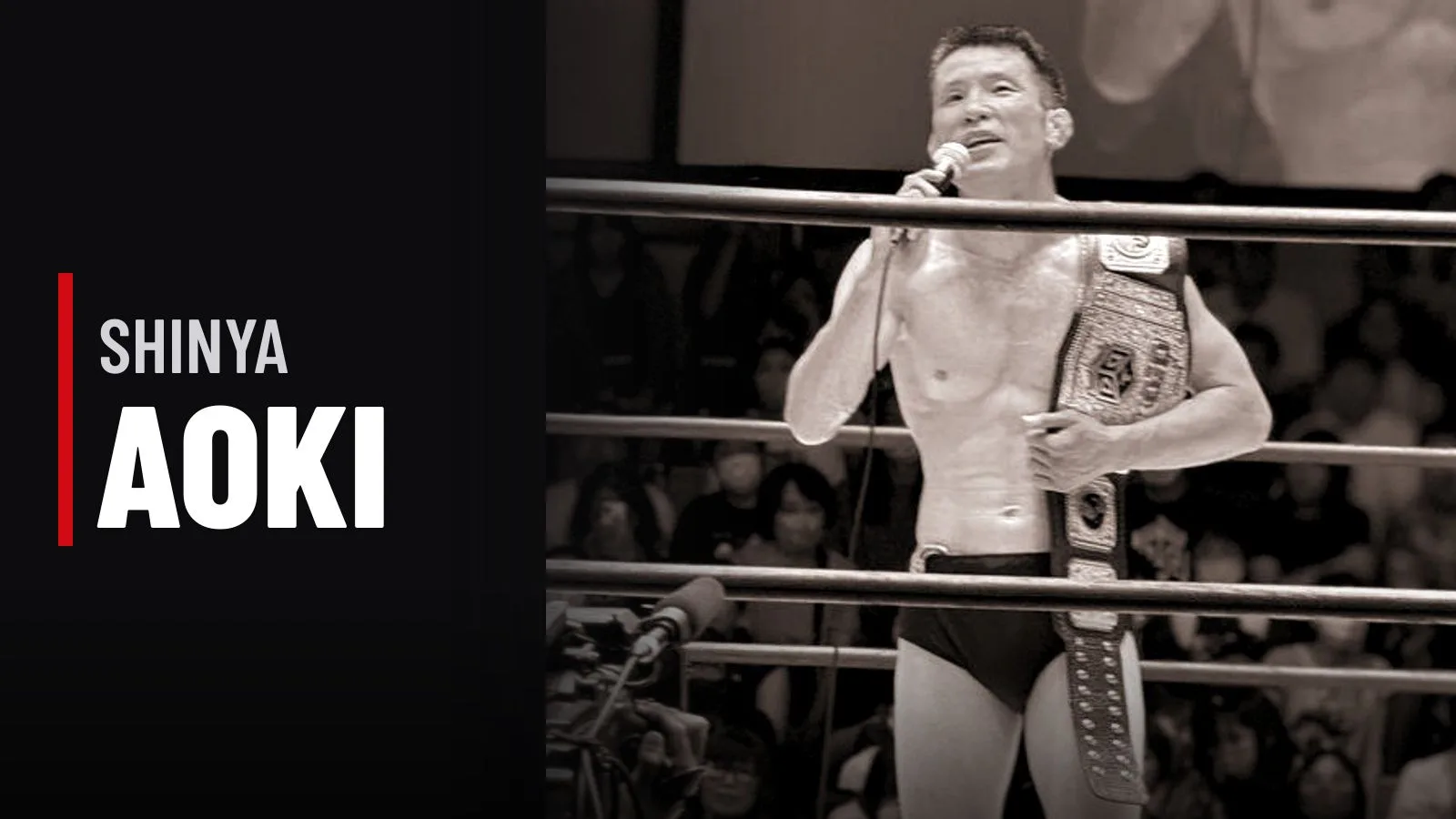
He’s still here. Aoki competes at welterweight in ONE Championship, where he’s a former two-time lightweight world champion. He’s also a professional wrestler with DDT Pro-Wrestling and holds the KO-D Tag Team Championship with Junta Miyawaki, the first reign for either of them.
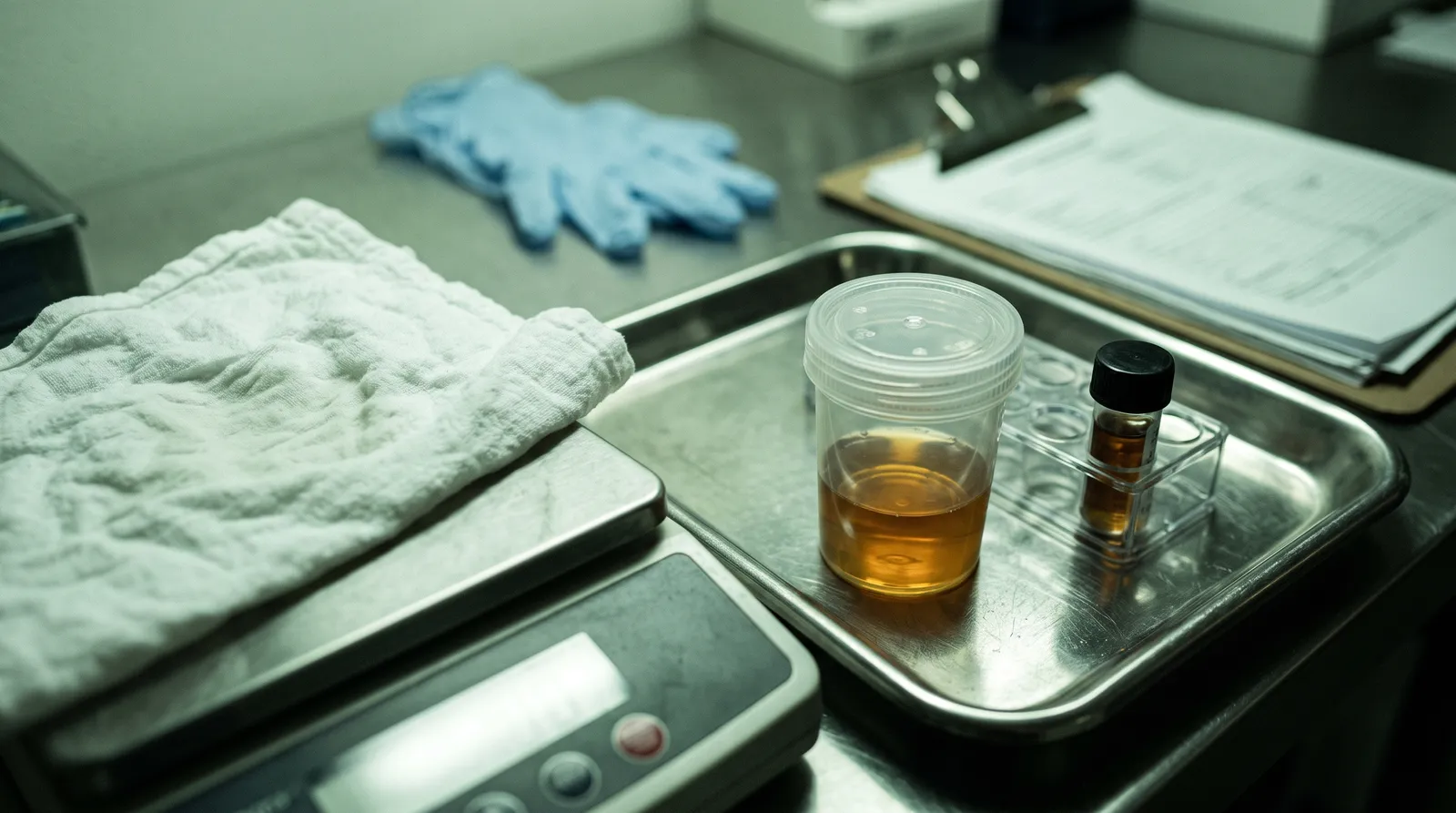
And he’s still talking. On October 16, 2026, he posted on X about Rukiya Anpo failing a hydration check at weigh-ins, and his verdict was blunt: as Aoki saw it, the responsibility and the fault were Anpo’s own. Two decades after a judo coach told him how a judoka was supposed to fight, the kid who transferred schools out of spite is the veteran handing out the hard judgments, and he still isn’t softening them for anybody.