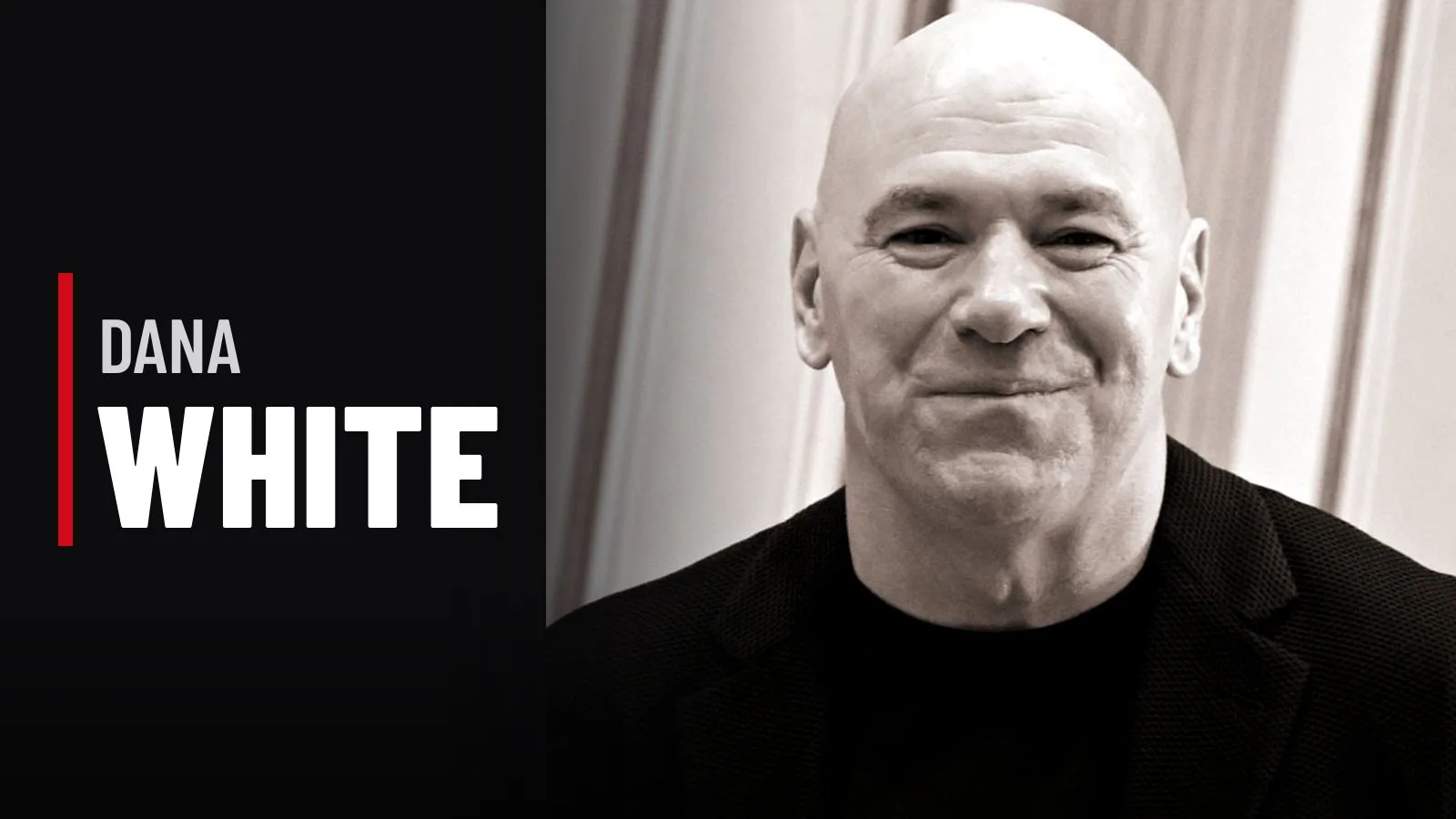
A promotion’s body of work is supposed to be the fights it makes. By that standard, Zuffa Boxing’s relationship with Shakur Stevenson produced a blank page. About three months, a pile of promises, zero fights, and then a release granted over the weekend. That’s the record The Independent was pointing at when it ran a headline arguing that Dana White’s “body of work” claim is backfiring, and it’s the record Ade Oladipo picked apart in his comments to MiddleEasy.
My argument is simple. Zuffa Boxing’s problem right now has little to do with ambition or money. The money exists. The problem is that the money hasn’t turned into dates on a calendar, and every week that gap stays open, the pitch to fighters gets harder to make.
What Stevenson actually said
Stevenson’s explanation was blunt, and it deserves to be read in full rather than summarized into mush. “I’ve been working my ass off, staying focused, staying in shape,” he said when he announced the split. “I’ve been in camp for like eight weeks preparing for fights that I was told was going to happen, and it has not happened.”
Eight weeks in camp is a real cost. That’s sparring partners, coaches, nutrition, and the slow grind of peaking for a date that keeps sliding away. Anyone who’s watched a fighter come in flat after a long, aimless camp knows what that does to a body. Stevenson asked out, Zuffa let him go, and he’s now a free agent planning to book his own fights through his own promotional company.
That last detail matters. Stevenson apparently looked at what Zuffa could do for him and decided his own outfit could do it faster. When a fighter bets on himself over a company owned by TKO, that tells you how the matchmaking was going.
The spending question
Oladipo’s critique, as MiddleEasy framed it, goes after two things: matchmaking and spending. Those two are linked. Spending without matchmaking means paying for a roster you can’t use.
Look at the one contract figure in public circulation. Conor Benn’s Zuffa Boxing deal has been reported at $15 million, and Sean Strickland appeared to reference that number while venting about UFC pay. So the boxing arm is willing to write very large checks. What it hasn’t shown, at least in Stevenson’s case, is the ability to convert a signed name into a booked fight. Big signings with no fights attached get expensive in a hurry.
Oladipo also stopped short of calling the venture dead, per MiddleEasy, and I agree with him there. Three months is a short window. A promotion with TKO behind it can absorb a botched relationship. What it can’t absorb indefinitely is a reputation for making fighters sit in camp waiting for a phone call.
The UFC side is watching
The sharpest wrinkle here is what Zuffa Boxing’s flexibility looks like from the other side of the TKO building. Yahoo Sports laid this out well. Strickland signed a new long-term contract in the spring because he needed it to get his title shot against Khamzat Chimaev in May, which he won. White was quick to point out that Strickland signed that deal. Fair enough, he did. But in the Paramount+ era there’s no pay-per-view cut to chase, so Strickland’s earnings as middleweight champion are fixed in writing until the contract runs out or the UFC hands him a new one.
Meanwhile a boxer under the same parent company asked for his release and got it. Jake Paul wasted no time suggesting the UFC offer the same courtesy to its own fighters. You can roll your eyes at Paul (I usually do), but the comparison he’s drawing is now an in-house one, and it’s going to keep coming up.
This is where White’s defense runs into trouble. If the case for Zuffa Boxing rests on track record, then the track record includes a fighter leaving with nothing to show for his time there. And if the case rests on Zuffa’s way of doing business, then the UFC roster gets to point out that the boxing side apparently does business very differently, with bigger checks and an exit door that actually opens.
What fixes it
The fix is boring. Make fights. Announce them, keep the dates, and let the next signing see that camp leads to a fight night. Every promotion that has built a real roster did it by keeping a schedule, and no amount of talk from the podium substitutes for a card that happens when it was supposed to.
Until then, the most concrete evidence anyone has about Zuffa Boxing’s matchmaking is a free agent who says he trained for like eight weeks for fights that never happened, and a $15 million contract that UFC champions now quote when they talk about their own pay.