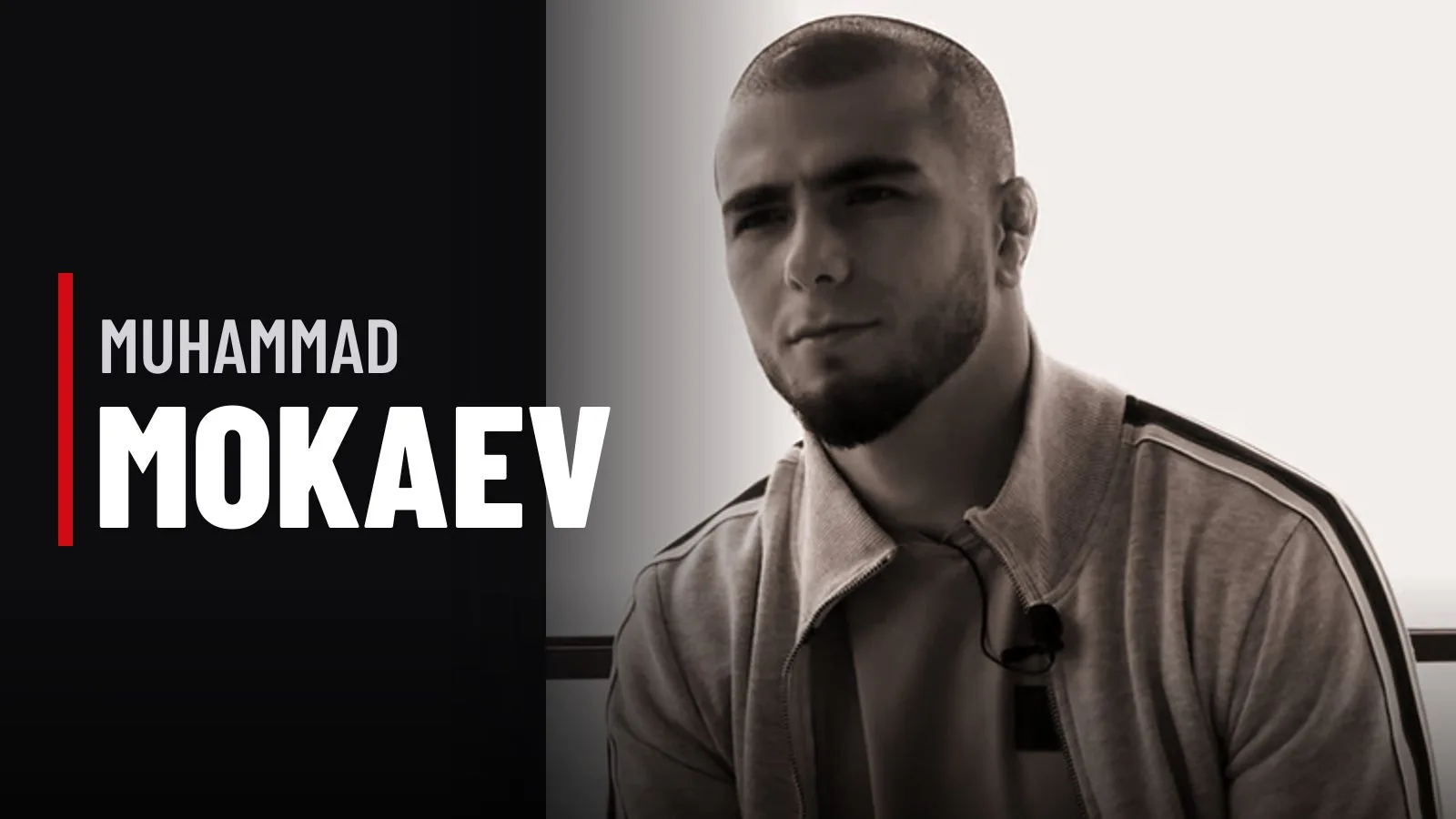

Dana White never actually said Farid Basharat turned down a fight. He just put the phrase in the room and let everyone else finish the sentence.
At UFC Edmonton on Saturday, Cageside Press asked White why the company let an undefeated bantamweight walk. His answer drifted toward fighters who give matchmakers headaches: “and either guys aren’t good to deal with and the matchmakers don’t want to deal with them, which could be turning down fights or whatever the reasoning is.” Then he added, “If you’re 16-0 with seven wins in the UFC, and don’t get re-signed, there’s definitely a reason.”
There’s always a reason. My problem is the one White chose to float. It hangs a reputation problem on a fighter with zero named examples, right as that fighter heads into free agency, and the people who handle Basharat’s bookings say it’s false.
View post on X
The Manager’s Receipts
Ali Abdelaziz of Dominance MMA answered on social media without much wiggle room: “Let me be clear: Farid Basharat did not turn down a fight.” He followed with the detail that should end this part of the conversation: “In 2024, he fought an opponent who was 10 pounds overweight.”
Ten pounds over at bantamweight is a different weight class walking into the cage with you. You can’t stand a fighter who misses by that much (that’s a cut that went sideways or a cut that was never attempted), and a fighter hunting for excuses to sit out has the easiest excuse in the sport right there. Basharat took the fight anyway. Abdelaziz called him “a company guy” who accepted every opponent offered, said he believes Basharat was headed toward a title shot and can beat anybody in the top 15, and signed off with “Stay tuned.”
The UFC 329 booking points the same direction. Basharat was set to face Ethyn Ewing, who had beaten undefeated fighters in each of his two previous UFC outings. Ewing withdrew. Basharat stayed on the card and took a unanimous decision over John Garza, a UFC newcomer. Fighters who are difficult to book don’t usually shrug and accept the replacement.
What the UFC Actually Told Him
Basharat’s own version, given to Demetrious Johnson this week (h/t Red Corner MMA), says the friction started well before contract time. He got his second deal after his third UFC fight. After the first fight on that new contract, a win over Chris Gutierrez, he says the message became that they didn’t like the way he fought. Aljamain Sterling also posted on X that Basharat stopped by to tell his side and describe the moment he knew he’d be cut.
That moment came in February. Basharat, 14-0 at the time, beat Jean Matsumoto, a 17-1 Brazilian prospect, by split decision. He sat backstage figuring he had Fight of the Night locked unless something better happened later. Then he called his manager and heard this, in his retelling: “Nah they didn’t like the fight, they thought it was boring.” His conclusion: “So after that fight, I realized the writing’s on the wall.”
I’ll grant that “boring” is a matter of taste. A split decision between two unbeaten-caliber prospects is usually a close, competitive fight, though, and close fights are where you find out who’s better. That used to be the point.
The finishing record is where the UFC’s case lives, and even that’s murky. Cageside wrote that Basharat didn’t secure a single finish in seven UFC fights. Yahoo’s recap credits him with one, over Kleydson Rodrigues, after his debut win against Da’Mon Blackshear at UFC 285. Either way, six or seven decisions out of seven is the pattern the promotion apparently couldn’t sell.
Say the Quiet Part Out Loud
If style is the reason, White should say style is the reason. Ariel Helwani basically said it for him on his show: “They’re not in the business of finding out anymore who is the best.” The evidence for that read is sitting on UFC cards right now. Tai Tuivasa keeps getting booked through eight consecutive losses. Michael Venom Page left on a four-fight winning streak with most of his UFC wins coming on the cards, the same profile as Basharat.
I don’t like that model, but a promotion that controls its own matchmaking can run it. What it shouldn’t do is cut a guy for decisions and then let the public assume he was dodging opponents. One explanation is a business call. The other is a character hit, and it follows a fighter into every negotiation he has next.
The handling didn’t help either. Helwani pointed out that Basharat fought in July and reportedly waited roughly three months for an October release notice. His brother Javid said he learned of the exit along with everyone else. Javid knows the routine. He went 4-2 with one No Contest in the UFC, got let go earlier this year after a win over Gianni Vazquez, and has since signed with the PFL.
So the next promoter gets a 29-year-old bantamweight at 16-0 who, per his manager, never said no to a fight and once said yes to a guy carrying an extra 10 pounds. If he signs with the PFL or anyone else and starts piling up wins on the scorecards, the decisions won’t have gotten any more exciting, just harder to explain away.