Fast facts
- Division: Women’s featherweight (No. 3 in Knockout Daily’s rankings)
- Record: 13-2
- Nationality: United States
- Team/gym: Team Hayastan
- Notable wins: Miesha Tate (twice), Liz Carmouche, Sarah Kaufman, Sara McMann, Alexis Davis, Julia Budd
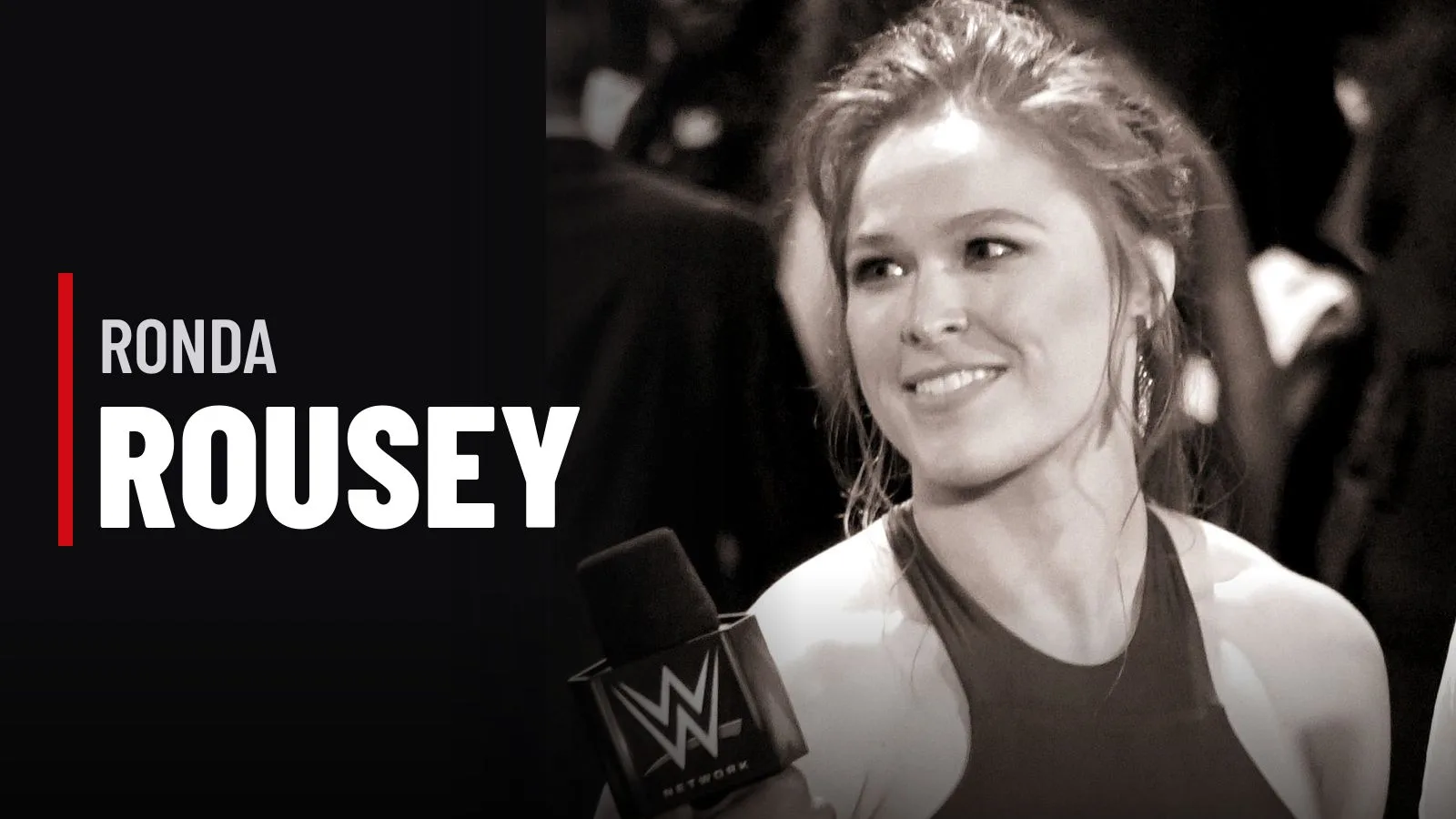
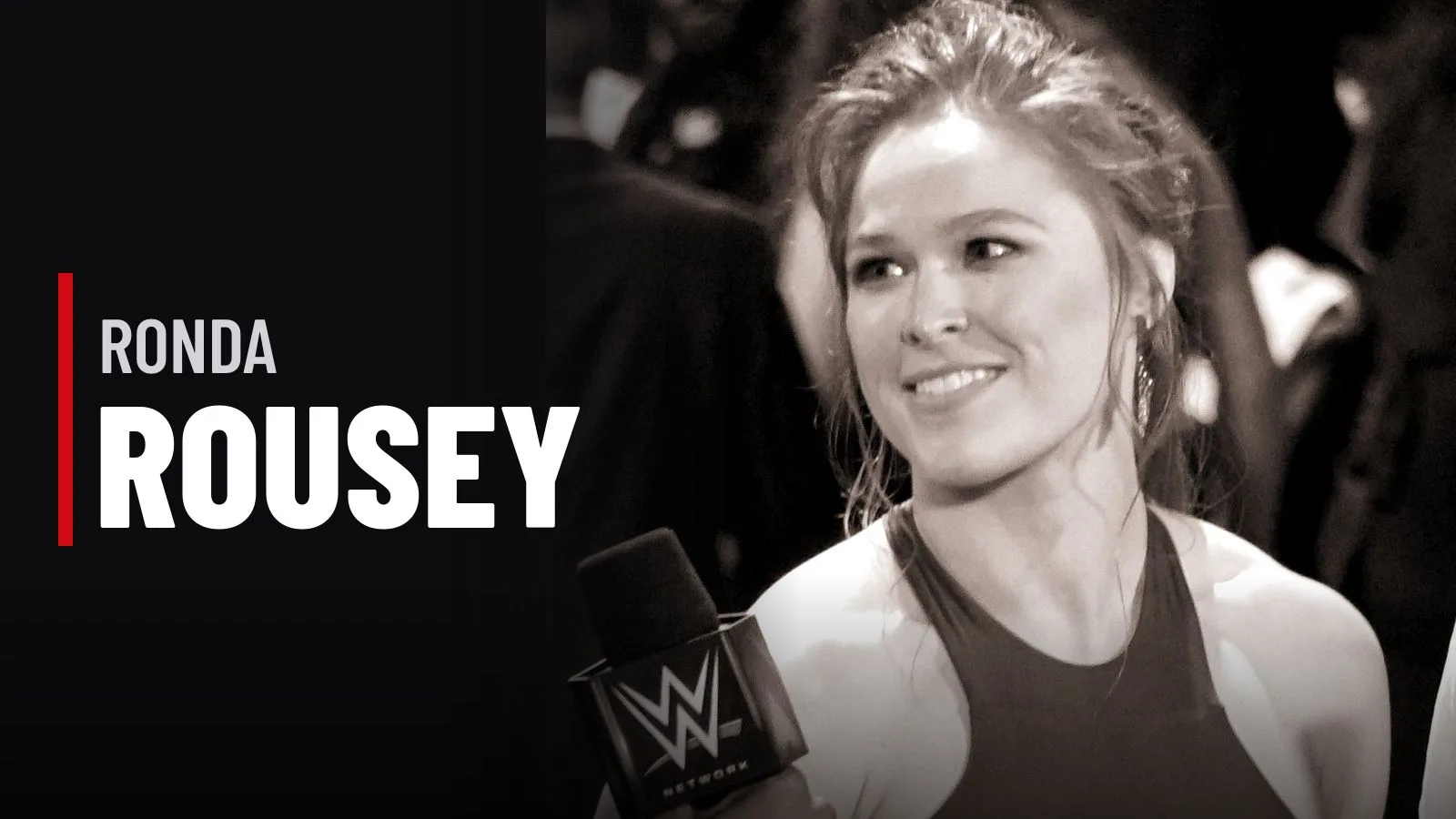
Somewhere in an arena, in a back room Dana White called his own, a judo bronze medalist with no UFC contract asked the most powerful man in the sport for a quarter of an hour. White told Steven Bartlett on The Diary of a CEO this week that the pitch opened plainly: “Hey, I’m Ronda Rousey. Can I get 15 minutes with you?” He didn’t need all 15. White said that minutes into the conversation he’d decided to do it, and that she was the one to do it with.
This is the same man who, as Bloody Elbow recounted, said in 2011 that the UFC would never put on women’s fights. White explained on the podcast that he was already struggling to sell a brutal sport built on men to networks and sponsors, and women looked like an even harder sale. Then Rousey walked in.
View post on X
“You want to talk about a chip on your shoulder? I mean, she had it,” White said.
He followed that with the line that has been bouncing around ever since. “She is a f***ing unicorn.”
The chip has a history, and it’s worth knowing where it came from.
Riverside, Jamestown, and a mother who threw people for a living
Rousey was born in Riverside, California, on February 1, 1987, the youngest of three daughters. Her mother, AnnMaria De Mars, competing as AnnMaria Burns, became the first American to win a World Judo Championship in 1984. Her father, Ronald, whom she was named after, had broken his back sledding with his kids and died by suicide when Ronda was eight.
Before any of the fighting, there was a little girl who couldn’t talk. Rousey had apraxia, a neurological speech disorder, and couldn’t form an intelligible sentence for the first six years of her life. Her family moved from Riverside to Jamestown, North Dakota, when she was three so she could get intensive therapy with specialists at Minot State University. She grew up split between Jamestown and Southern California, dropped out of high school, and later got her GED.
She started judo with her mother at 11 and trained with her until 13, when she accidentally broke her mother’s wrist. That’s a detail you don’t forget.
The gym in North Hollywood
The place that made her was Hayastan MMA Academy, run by Armenian-American Gokor Chivichyan, where the judo was rougher and less polished than the classical Japanese style. Rousey called it a more brawling version of the art. She trained mostly with bigger men, and they threw her around. “Probably from 2002 to 2005 I cried every single night of training,” she said.
The person I keep coming back to is Manny Gamburyan. When Rousey hurt her knee at 16, Gamburyan volunteered to open the gym every afternoon and work with her one on one. Nobody hands out belts for that. Her teammates, Gamburyan and Karo Parisyan among them, thought back in 2004 that she’d destroy women in MMA, though they also thought she was too pretty to get hit and should stay in judo. She did, for a while. The first MMA fight that ever really grabbed her was Gamburyan against Nate Diaz at The Ultimate Fighter finale, and she said no judo match had ever excited her like that.
At 17 she was the youngest judoka to qualify for the 2004 Athens Olympics. Four years later in Beijing, competing at 70 kg, she lost her quarterfinal to Edith Bosch, came back through the repechage, and beat Annett Boehm by yuko for bronze, the first Olympic medal by an American woman in judo. She retired from the sport at 21 with a 56-19 competition record, then went to Venice Beach, shared a studio apartment, and worked three jobs bartending and waiting tables to support herself and her dog.
The armbar years
She came back through Team Hayastan and the Glendale Fighting Club, where she began working with longtime coach Edmond Tarverdyan. What followed was absurd. Her three amateur fights lasted under two minutes combined. Her pro debut, at King of the Cage on March 27, 2011, ended with Ediane Gomes in an armbar after 25 seconds. Charmaine Tweet, a kickboxing champion, lasted 49.
In Strikeforce she armbarred Sarah D’Alelio (a finish still argued over, since D’Alelio said she yelled in pain rather than tapped) and dislocated Julia Budd’s elbow. Then came Miesha Tate, the champion and her rival, on March 3, 2012, in Columbus, Ohio. Another armbar, another dislocated elbow, and a belt. She defended it against Sarah Kaufman in 54 seconds.
That summer, on Showtime’s All Access, White said, “In the next 10 years, if there’s a woman in the octagon, it’s probably going to be Ronda Rousey.” He was off by about nine and a half years. By November 2012 she was the first woman signed to the UFC and was named its first women’s bantamweight champion.
At UFC 157 on February 23, 2013, she and Liz Carmouche fought the first women’s bout in UFC history. Carmouche caught her early with a standing neck crank and dislocated her jaw, and Rousey still found the armbar at 4:49 of Round 1. The Tate rematch at UFC 168 went into the third round, the first time anyone had dragged her that far, before the armbar came again. Rousey later told the Los Angeles Daily News she’d lost muscle during film work and hadn’t gotten her strength back. At UFC 170 she dropped fellow Olympic medalist Sara McMann with a knee to the body just over a minute in, her first win by anything other than armbar, though some ringside thought the stoppage came early. She beat Alexis Davis at UFC 175.
She set the women’s record for UFC title defenses at six, which held until Valentina Shevchenko passed it in 2022. She was the first woman in the UFC pound-for-pound rankings, retired in 2016, and in 2018 became the first female fighter in the UFC Hall of Fame. Then she went to WWE, won the Raw Women’s Championship, and main-evented WrestleMania 35. She’s the only woman to win titles in both the UFC and WWE.
Where she is now
The present is messier. Yahoo Sports, via ClutchPoints, reported that Rousey returned to MMA earlier this year against Gina Carano and retired after the fight. Our own rankings list her last bout as May 16, 2026, with a 13-2 record and a No. 3 spot at featherweight. Yet a 6abc Philadelphia headline this week says she wants to fight Cris Cyborg at some point. Retirement in this sport has always been a soft word.
Dan Hardy, meanwhile, floated a different future, suggesting White’s time may have passed and that Rousey might eventually chase the top job. “I could see Ronda going for it,” Hardy said.
Back in August 2012, after the Kaufman fight, Rousey said that if Cyborg wanted her, it would have to happen at bantamweight. Fourteen years later, her name sits at No. 3 in the featherweight rankings.