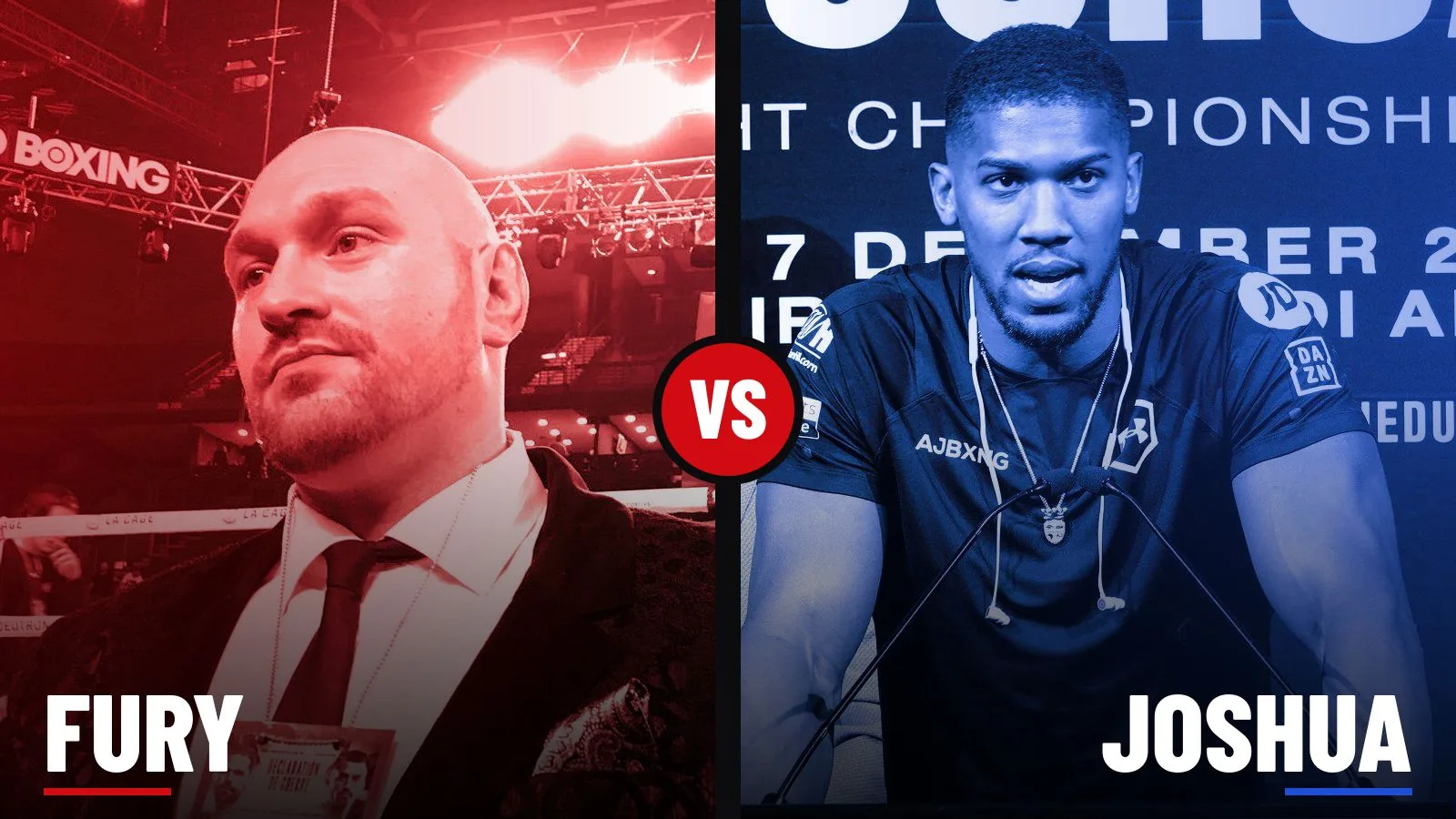
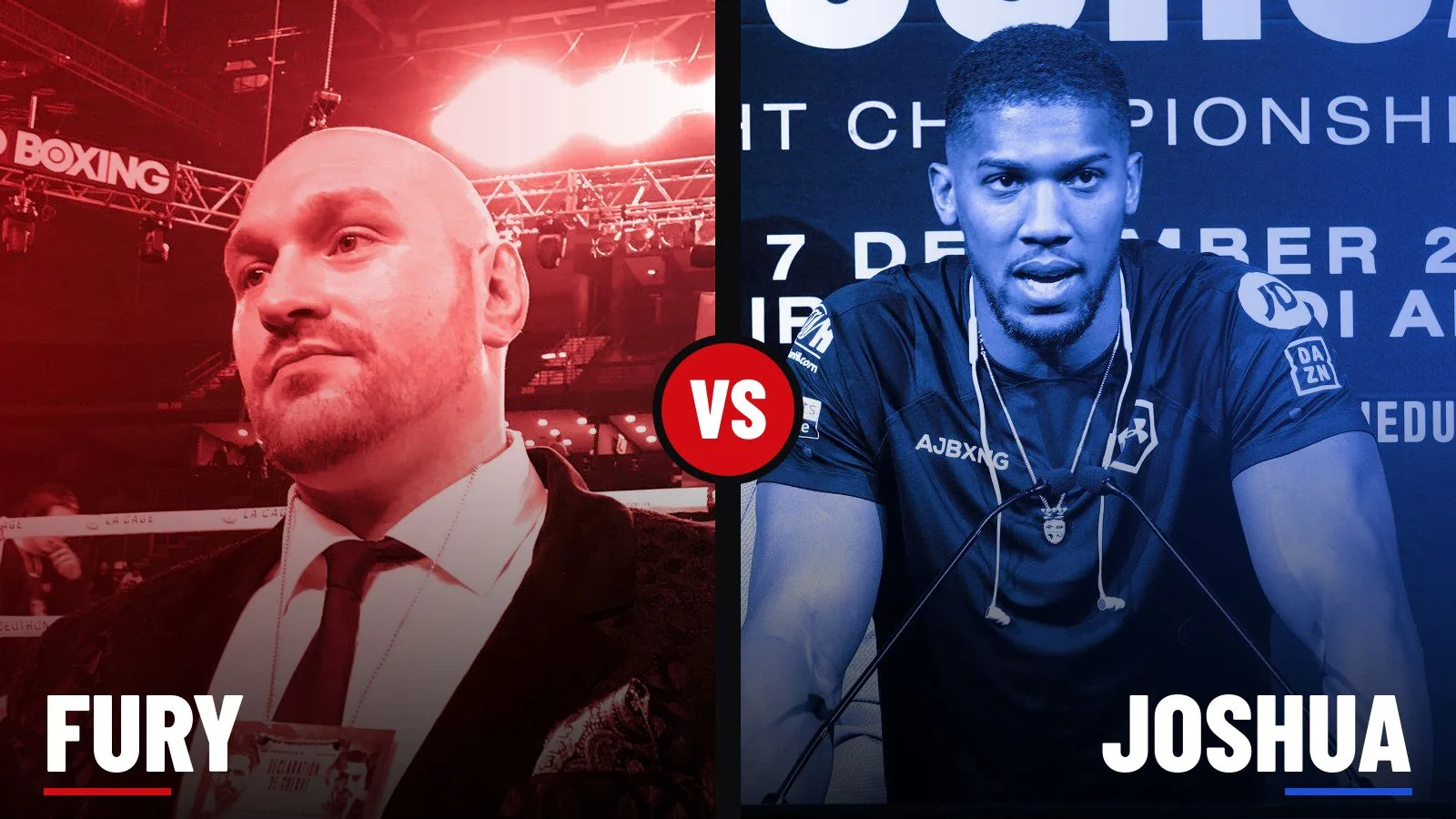
MMA Mania put out the full rundown for Tyson Fury vs. Anthony Joshua on Tuesday morning: Friday, Dec. 11, Principality Stadium in Cardiff, Wales, with the Netflix main card starting at 2 p.m. ET. By that afternoon the card had a hole in it. Dan Rafael reported that Jai Opetaia had withdrawn from his fight with Deontay Wilder, which was the only bout on the undercard that could have headlined a show on its own.
The main event is still on. Everything underneath it now looks a lot shakier.
Why the co-main fell apart
The first reports gave no reason, and that vacuum filled fast. Boxing insiders speculated that Saudi money was coming up short because of financial fallout from the war with Iran and the Strait of Hormuz blockade. That was speculation, and it stayed speculation, because the official explanation arrived the next day and it was much more ordinary.
View post on X
Opetaia’s co-promoter, Mick Francis, told Rafael: “Jai sustained a hand injury during his September bout against Noel Mikaelian and has since aggravated it during training.” Francis added that Opetaia’s focus is on “making a full recovery and continuing his quest to become the undisputed cruiserweight champion of the world.”
That second line matters. Opetaia, 31, stopped Mikaelian by TKO on Sept. 12, 2026, at T-Mobile Arena in Las Vegas on a Zuffa Boxing card. Wilder was supposed to be his test run at heavyweight, and Bloody Elbow noted the win could have put him in line for a big heavyweight fight next. Francis talking about undisputed at cruiserweight tells me the heavyweight experiment is on the shelf for now, maybe for good.
What the fight was supposed to answer
My read on the original matchup was simple. It was a size test with a live grenade attached. You had a cruiserweight champion moving up to heavyweight to meet a 41-year-old former heavyweight champion whose reputation still rests on one thing, the right hand. MMA Mania called Wilder hard-hitting, and nobody serious would argue. A smaller man climbing a division can give up some weight if his hands and his timing carry him, but he can’t afford to give up his hands.
That’s why the injury makes sense as a dealbreaker. A cracked or aggravated hand is a nuisance against a cruiserweight you outclass. Against a heavyweight who only needs one clean shot to end your night, you’d be choosing between holding back your power and gambling on a hand that’s already complained once in camp. Pulling out is the sensible call, even if it guts the card.
The Wilder side of the equation was always the shakier part. His last outing was a 12-round split decision over Derek Chisora this past April under Misfits Boxing, and Bloody Elbow reported that fans walked away from that one calling for both men to retire because of how far each had slipped. Fury piled on before Opetaia withdrew, saying it was a “dying shame” that Wilder is still fighting and that he should have hung it up by now. The fight drew criticism from fans as well. Opetaia, in my read, was the matchup most likely to answer whether Wilder still has anything left, because a quick, sharp champion would have exposed slow feet and a slow reset in about three rounds.
The replacement problem
Wilder’s team wants to keep him on the card. That’s where the news gets bleak.
Rafael’s first report named a Chisora rematch as one distinct possibility. Chisora is 42, and Bloody Elbow pointed out that plenty of fans had no appetite for watching him go back in there. That option died quickly anyway. Rafael reported the next day that Chisora priced himself out of the fight.
Wilder’s own choice was Murat Gassiev, the WBA heavyweight champion. According to Rafael, neither the Saudis nor Zuffa Boxing are interested in making that one. So the realistic options are gone, the attractive option is blocked by the money people, and the clock is running. With under a month until Dec. 11, MMA Mania’s read is that Wilder may end up without a fight at all, and I agree. Finding a heavyweight who is in shape, willing, affordable, and acceptable to two separate sets of financial backers inside three weeks is a tall order.
There’s a Zuffa layer here too. Bloody Elbow described Opetaia as seemingly Dana White’s way into this event, since he’s signed to Zuffa Boxing. Losing him strips the promotion’s most visible stake in the card. That lands at an awkward time. Paulie Malignaggi told Bloody Elbow last weekend that White “has accomplished absolutely nothing” in his first year in boxing, and Bloody Elbow counted 14 Zuffa Boxing events in 12 months, with Ryan Garcia vs. Conor Benn the lone memorable fight among them. Watching your best-known fighter on the year’s biggest show fall off does nothing to quiet that criticism.
The main event carries the night now
That leaves Fury vs. Joshua to hold the whole thing up by itself, which, to be fair, is what it was built to do. MMA Mania’s Midnight Mania recap called it the most overdue matchup in boxing, and that’s hard to dispute.
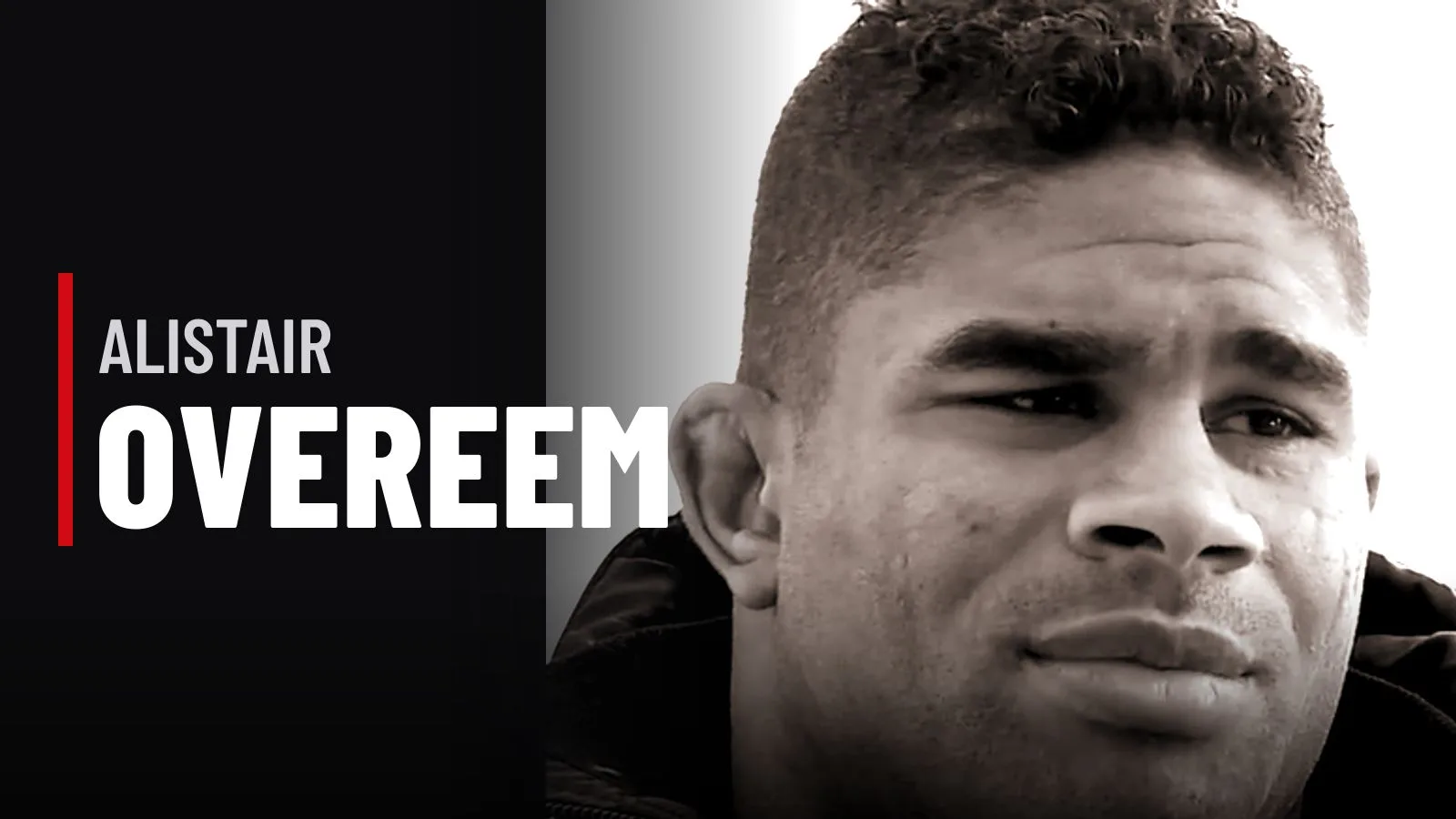
The sources this week give me the venue, the date, and the start time, and almost nothing on how either man looks in camp. The one recent data point floating around came from Alistair Overeem, who told talkSPORT that Jake Paul “already got a beating from Anthony Joshua” while explaining why he passed on fighting Paul himself. That tells you how Joshua’s last appearance landed with people in the fight world. It tells you nothing about how he handles Fury.
So here’s my read, and I’ll own that it’s built on a thin file. A stadium fight in Cardiff with a gutted undercard puts every ounce of the night’s pressure on the two men at the top. The fighter who arrives with a plan for the middle rounds, and makes a real adjustment after the first exchanges instead of waiting for one big moment, wins this. Fight week will tell me who looks like that guy.
The practical question for the next three weeks belongs to Wilder. If no replacement clears both the Saudis and Zuffa, he sits out Dec. 11, and the Netflix main card at 2 p.m. ET goes out with one fight people are paying to see.