I can already see the posts. Somewhere around the middle of Round 2 on Saturday, Kayla Harrison will have Amanda Nunes pinned against the fence or flattened on the canvas, and a chorus of people who have never once watched a hip switch will start typing lay and pray with their thumbs. Let them. What Harrison is going to do to Nunes at UFC 334 is the most demanding kind of fighting there is, and it’s the specific tool kit that beats the consensus greatest female fighter of all time.
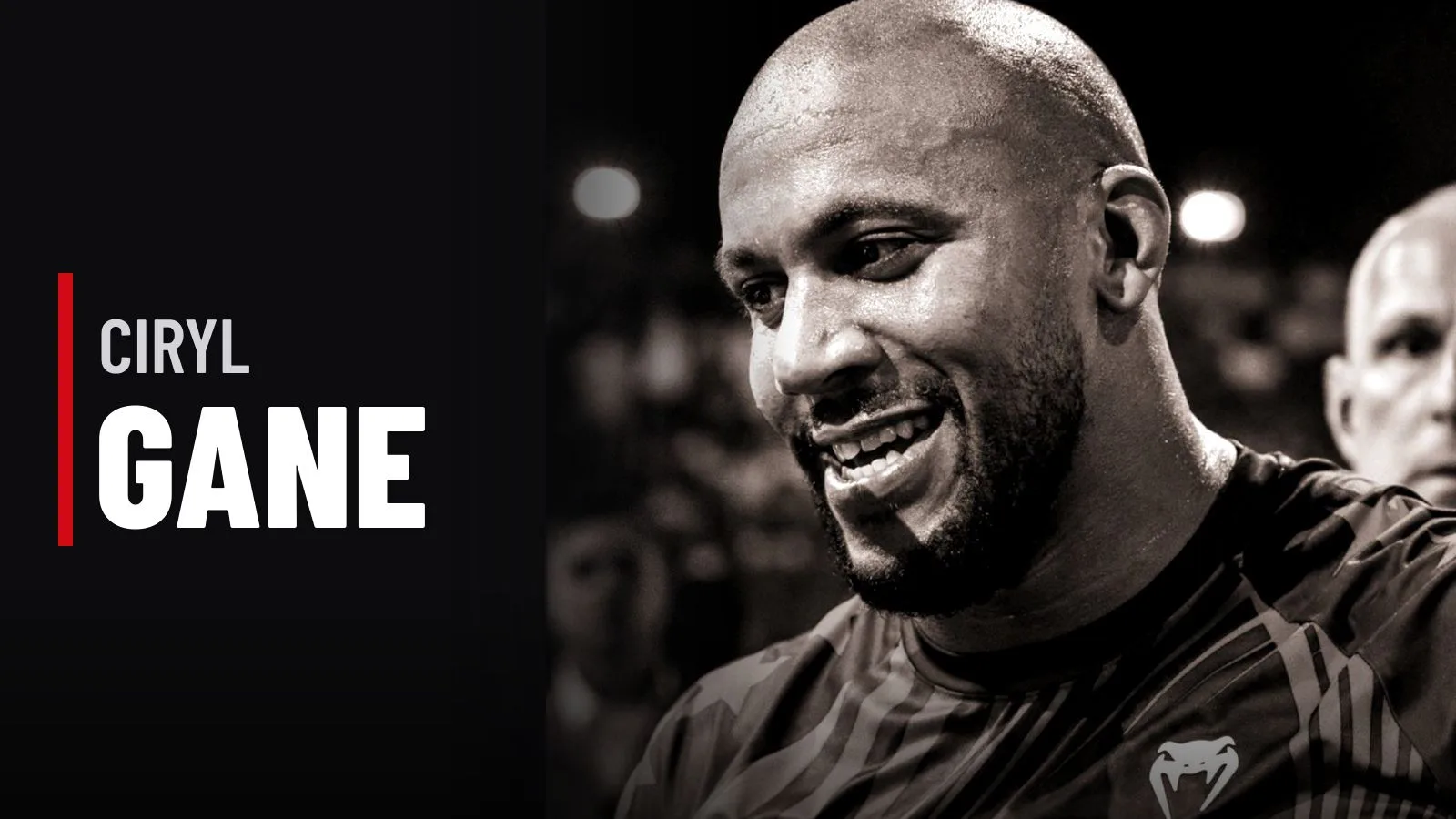
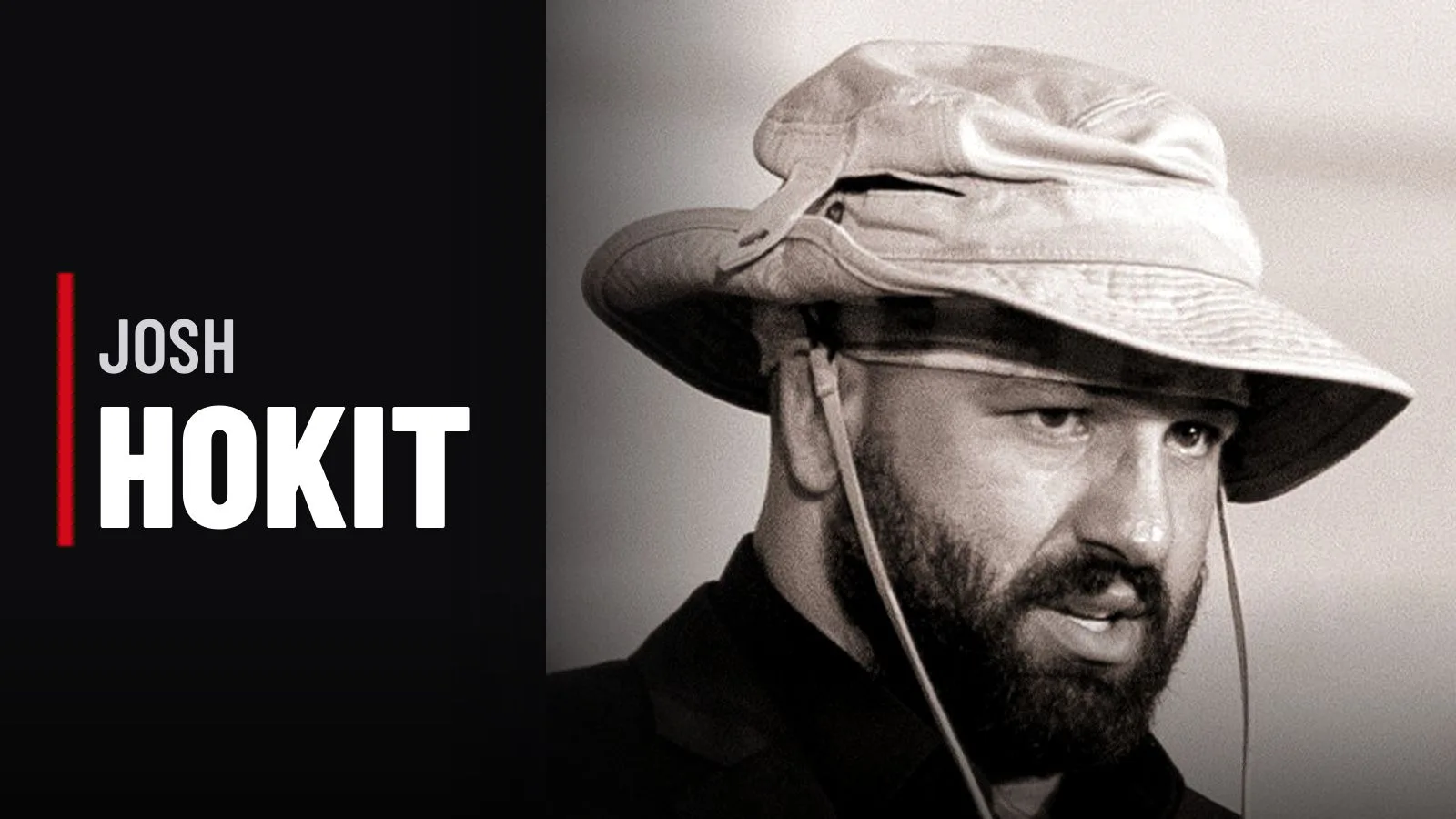
The setup is simple. UFC 334 lands at Madison Square Garden this Saturday, and Nunes, the two-division champion, meets Harrison, the Olympic gold medalist, in a bantamweight championship fight that UFC.com framed as massive enough to bring in MMA Lab head coach John Crouch for a technical breakdown. Sherdog’s Sean Sheehan previewed it alongside Ciryl Gane vs. Josh Hokit. Every fight-week preview I’ve read lands on the same axis: Nunes’s striking against Harrison’s grappling. That’s correct as far as it goes. It just undersells which of those two things gets to happen.
Range Is the Whole Fight
Striking needs space. A power puncher needs maybe an arm’s length plus a step to load the hips and turn over a right hand. Take that distance away and the punch gets short and arm-heavy and stops being the thing that ends nights.
View post on X
Harrison’s job, then, is to make sure Nunes almost never has that distance with her feet set. The entry I expect is a feint to draw a reaction, a level change or a hard step in behind a collar tie, and then the part people don’t watch closely enough: the second and third attacks. If Nunes defends the first takedown by sprawling or framing on the head, Harrison moves to an underhook and a body lock. If Nunes widens her base to stop the lift, Harrison switches to an inside trip. If Nunes posts on the fence to defend the trip, now her hands are busy and Harrison is draining her shoulders. That’s chain wrestling from the clinch, and the point of it is that defending one attack sets up the next.
The fence is where I think this fight gets won. Every minute Nunes spends with her back on the cage, carrying Harrison’s weight, fighting hand to hand to clear an underhook, is a minute she isn’t throwing anything with intent. That cost compounds. A striker who spends Round 1 holding up a grappler has heavier legs in Round 2, and heavier legs mean a slower sprawl, which means the takedown that failed early lands late.
What Happens on the Mat
Once it hits the floor, the pressure is the point. Harrison doesn’t need to fish for a submission from a scramble. She needs to win the position, keep her hips heavy, pin a wrist or trap a leg, and make Nunes carry her for five-minute stretches. When an opponent is breathing hard under real top pressure, the openings show up on their own: an arm extends to push, a neck gets exposed on a turn, a frame collapses. Ground strikes from there aren’t stalling. They’re the tax for being on bottom.
This is where the lay and pray crowd loses me. Holding a world-class fighter down when she’s actively trying to stand is exhausting, technical work. You’re fighting her hips, her posts, her grips, her attempts to build a wall walk, all while keeping your own base. If you can’t see that happening, the problem is with the viewer and not the fighter. And if the judges score it correctly, which, fine, is never guaranteed, controlled top time with damage wins rounds. I’m begging nobody hands out a 10-8 for two minutes of control and a few elbows, but that’s a separate column.
Harrison also has a little history on her side here. Yahoo Sports noted that Harrison, a former training partner of Ronda Rousey, has already beaten one of the only two women who ever beat Rousey in MMA. The other one is Nunes. That’s a neat bit of symmetry, and it means Saturday is the last piece of that particular puzzle.
The Best Case for Nunes
The strongest counterargument is the obvious one, and it’s legitimate: Nunes only needs one clean shot as Harrison steps in, because a grappler on the entry is a target walking face-first into power. Even Nunes’s six-year-old daughter has the plan figured out. Per Sportskeeda and MMA Sucka, her advice was “Punch her in the face.” Adorable. Also basically what every striking coach in the building will say.
Here’s my problem with it. The counter-punch on a takedown entry works best against a fighter who shoots from long range in a straight line. A clinch-first grappler takes that window away by closing the distance behind tie-ups instead of diving from outside. Once Harrison has a hand on the collar and a forearm across the chest, Nunes’s punch has maybe six inches to travel, and nobody in this sport crumples from six inches. The knockout shot exists. Harrison’s whole approach is designed to deny it the room it needs.
Nunes is dangerous for every second of this fight, and she’ll likely find a moment early where she lands something hard. Harrison has to wear it and keep walking forward. I think she does, and I think the fight gets uglier for Nunes with each round as the clinch work piles up.
My pick: Harrison, with control in every round she wins, and I’d lean toward her finding something late once Nunes’s arms are gone. Then I’ll sit back and read the lay and pray posts from people who couldn’t tell you what an underhook is.