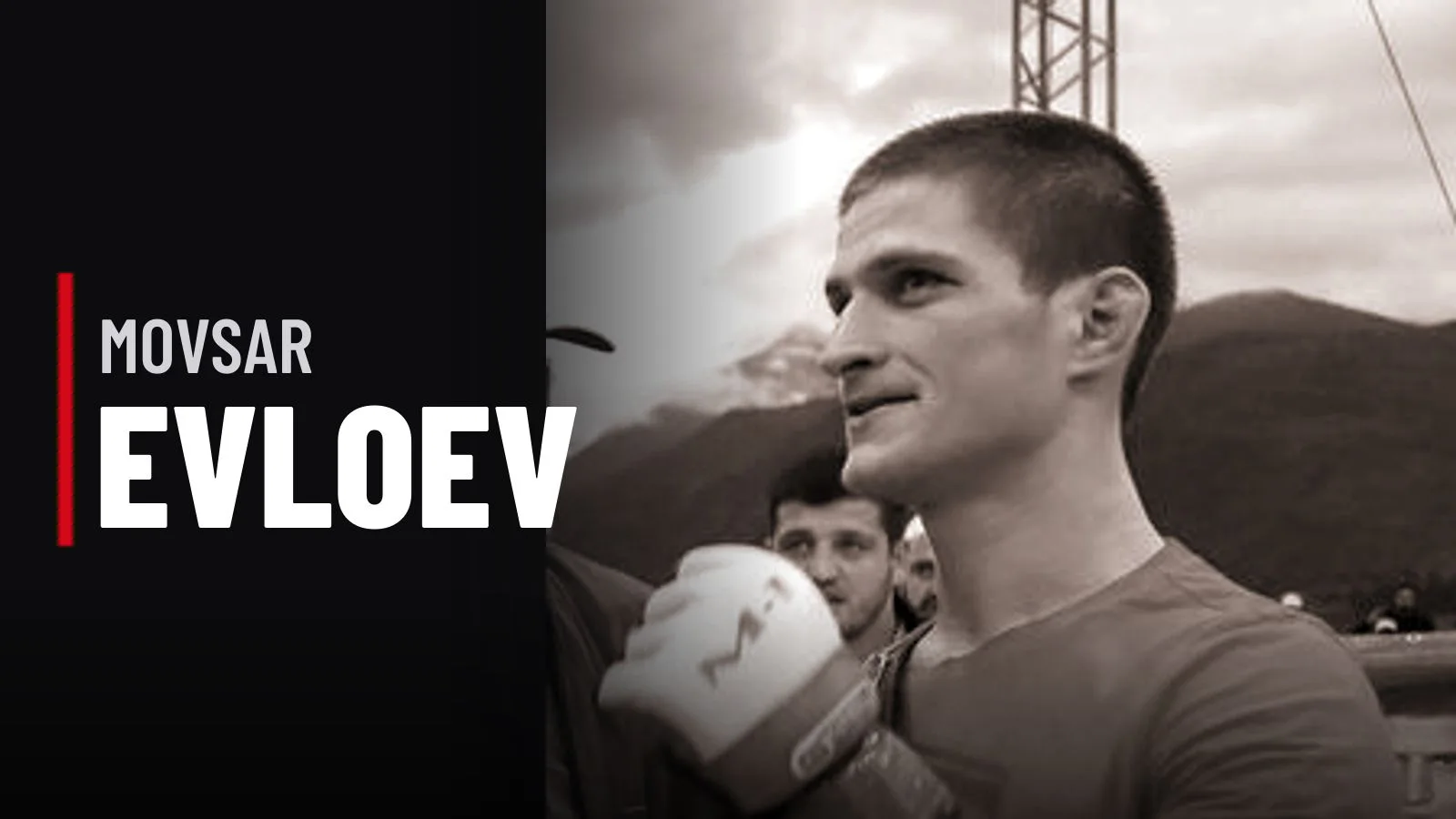
Alexander Volkanovski walks into Abu Dhabi on Saturday a few weeks past his 38th birthday, deep into a second featherweight title reign that almost nobody saw coming, to defend against Movsar Evloev, the unbeaten challenger he has been asking for for roughly two years. MMA Fighting ran a UFC 333 roundtable on exactly what that fight means for his place in history. Alexander K. Lee, Mike Heck and Jed Meshew came out in three different places. My position is simpler than theirs. If Volkanovski wins, he’s the greatest featherweight ever, and the strongest argument against him falls apart once you look at how it’s built.
The count everyone is fighting over
Meshew’s case for José Aldo comes down to title wins. He has Aldo at 11 and Volkanovski at eight, and his view is that a gap like that doesn’t leave room for a real debate. A win Saturday makes it nine, which he admits is close enough to talk about.
Heck runs different numbers. In his telling, a win means Volkanovski breaks Aldo’s UFC title fight win record and ties his UFC title defense record, on top of the head-to-head win he already holds over Aldo. Both of these can be accurate only if the two men are counting different things, and Heck’s version says UFC every time. When two smart people disagree that much on a tally, the tally deserves some suspicion before it gets to decide anything.
Meshew trips himself up here, too. He grants that beating Diego Lopes was an accomplishment, then says he’s not sure the second Lopes win counts for much. Heck went further, calling the rematch booking ridiculous and the UFC 325 card that hosted it forgettable. I agree with both of them. But a raw title count can’t make that distinction. Lopes 2 gets the same single tick as Evloev would. Once you start discounting the soft ones, you’re weighing quality of opposition, and you should keep going until you’ve finished the job.
Meshew’s own framework hands Volk the case
The best idea in that whole roundtable belongs to Meshew, and it argues against his own conclusion. “Very, very, very few fighters ever beat the best of three generations,” he wrote, laying out a ladder where great fighters beat their own era, Hall of Famers beat two, and the true all-timers beat the era before them, their own and the one coming up behind them.
Now apply it. The generation before is Aldo, and Volkanovski has that win. The generation after is the one Evloev represents, and Meshew is blunt about where Evloev sits, saying Lopes was never the best non-Topuria featherweight while “Movsar undeniably is.” Beat him, and Volkanovski has cleared the hardest rung of a test that Meshew himself designed. To his credit, Meshew follows the logic to the end. He called it a historic win in waiting and said that if you want to call Volkanovski the GOAT afterward, he won’t argue. He just expects the conversation to keep going. Fine. He’ll be having it with himself.
The Topuria asterisk and the split reign
There are two fair knocks left. The first is Ilia Topuria. Meshew wrote that for part of this run Volkanovski has been the best featherweight “because Ilia Topuria let him be.” That’s a real caveat about who was sitting on the throne. It says nothing about who Volkanovski has actually beaten, and the cleanest way to answer it is to beat the best man left in the division. That’s the exact fight on Saturday.
The second is continuity. Meshew points out that Aldo won 10 straight title fights and then reclaimed the belt after Conor McGregor, while Volkanovski’s wins come in two separate reigns. He says he isn’t sure how to weigh that. I am. Lee described featherweight as a division where veteran fighters are rapidly devoured, and he put Volkanovski’s mileage at “closer to 50 in fight years.” Getting the belt back at that stage of a career is harder than holding it at 27, and it took a different version of the fighter, someone who had to rebuild how he wins. A split reign that includes a comeback is the tougher résumé.
Lee went as far as saying a win here would rank alongside anything Aldo or Max Holloway ever did. I’d go further. Heck’s line was that the debate ends Saturday regardless of the result, and that’s the take I’m backing, with one adjustment. A loss doesn’t send Volkanovski back to second place. It just postpones the decision.
For what it’s worth, I lean Evloev in this fight. An unbeaten challenger at his peak against a 38-year-old champion is a matchup that usually goes one direction, and Lee said it himself: on paper, Evloev has every tool. That’s precisely why it settles the argument if it goes the other way. The co-main is Petr Yan and Merab Dvalishvili running it back a third time, and after that Volkanovski gets one more shot at proving the arithmetic doesn’t matter.