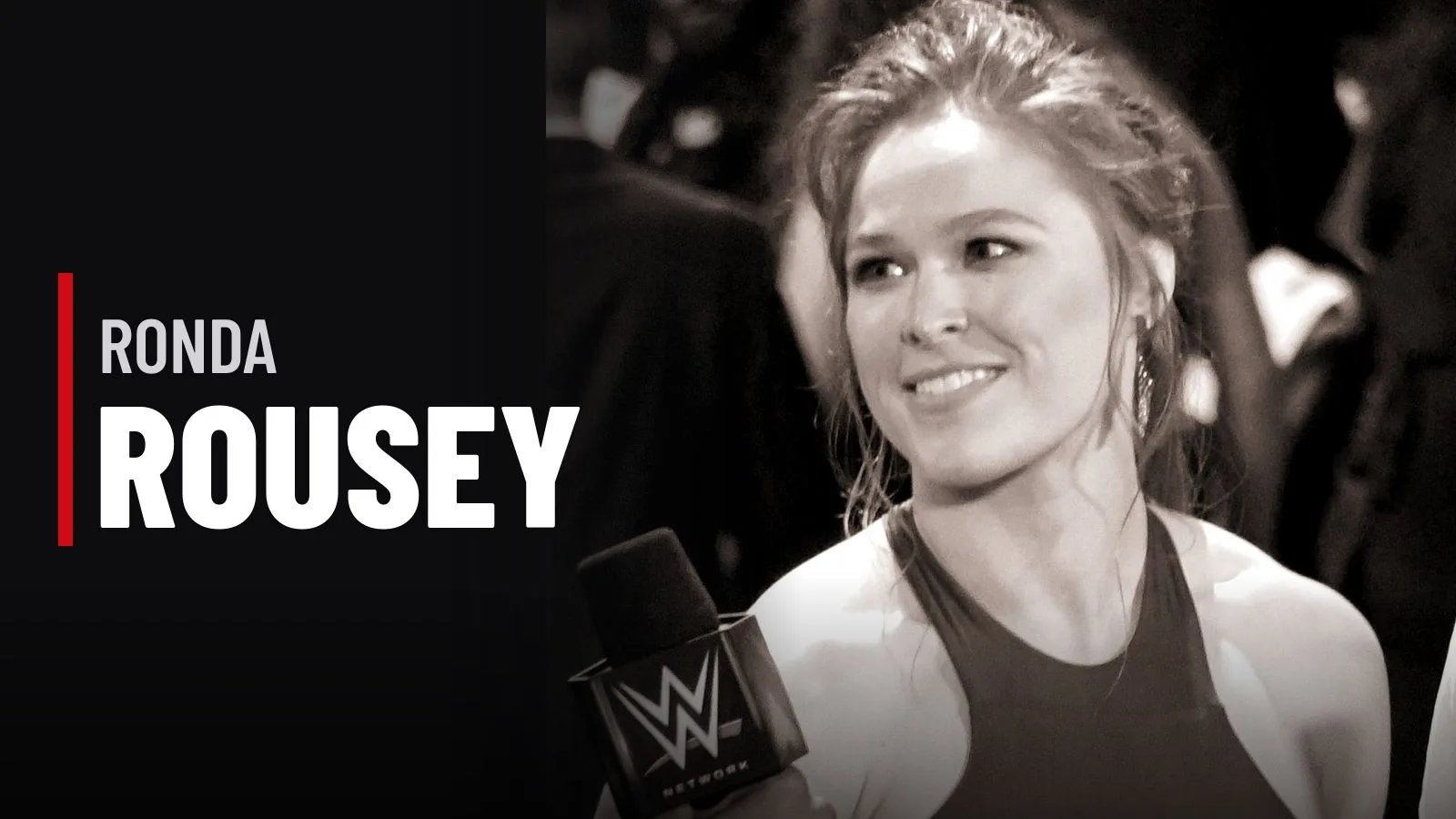
Ronda Rousey has put her name behind the California State Athletic Commission’s effort to bring mixed martial artists into the state’s pension fund, according to an ESPN report published Wednesday. The former UFC women’s bantamweight champion is backing the CSAC initiative and making the case for why fighters need protection that outlasts their time competing.
Rousey is a useful ally for the commission. Few names in the sport carry as much reach with people who don’t normally follow regulatory meetings, and her career arc is a decent case study in how fast a fighting life can end.
She won the Strikeforce bantamweight title after Scott Coker signed her with just two professional fights on her record, then moved to the UFC in 2013. Her first UFC fight was the main event of UFC 157 on February 23, 2013, where she armbarred Liz Carmouche in the first round to become the inaugural women’s bantamweight champion. She defended that belt six times, which is still the division record. The ending came quickly. She lost on her seventh title defense, sat out a year, then was stopped by Amanda Nunes via first-round TKO at UFC 207. She never formally announced her retirement, went to WWE, won multiple championships there, and later became the first female fighter inducted into the UFC Hall of Fame.
The timing puts her back in the conversation from a few directions at once. Dana White spent part of his recent appearance on The Diary of a CEO podcast crediting Rousey for changing his mind about women in the UFC. He told host Steven Bartlett that a 15-minute meeting she requested at an event convinced him, and he called her “a f*cking unicorn” while naming her alongside Conor McGregor, Khabib Nurmagomedov and Chuck Liddell as fighters in a class of their own. Bloody Elbow noted that White flatly ruled out adding women’s fights when asked in 2011, then signed Rousey the following year.
Dan Hardy, meanwhile, recently floated Rousey as a possible eventual replacement for White as the face of the UFC. Hardy said he’d gotten the sense that she could go after that role at some point down the line. That’s speculation from Hardy, and nothing in the reporting suggests Rousey has said anything of the kind.
What the pension backing does show is that Rousey is spending her post-fighting profile on the business side of the sport, specifically on what fighters are left with once the fights stop. The ESPN headline frames the story around why she supports the move, so the details of the CSAC plan and its rollout are the part to watch.
My take: this is the right fight to pick, and she’s the right person to pick it. Rousey’s entire UFC run, from the Carmouche armbar to the Nunes stoppage, fit inside about four years, and she was arguably the best-compensated woman the sport had produced. Most fighters on a California card are earning a fraction of that and absorbing the same damage. A pension is about the 55-year-old who took a decade of camps and cuts and has nothing structured waiting for him. If a commission can build that, I’d like every other state commission reading the CSAC’s paperwork next.