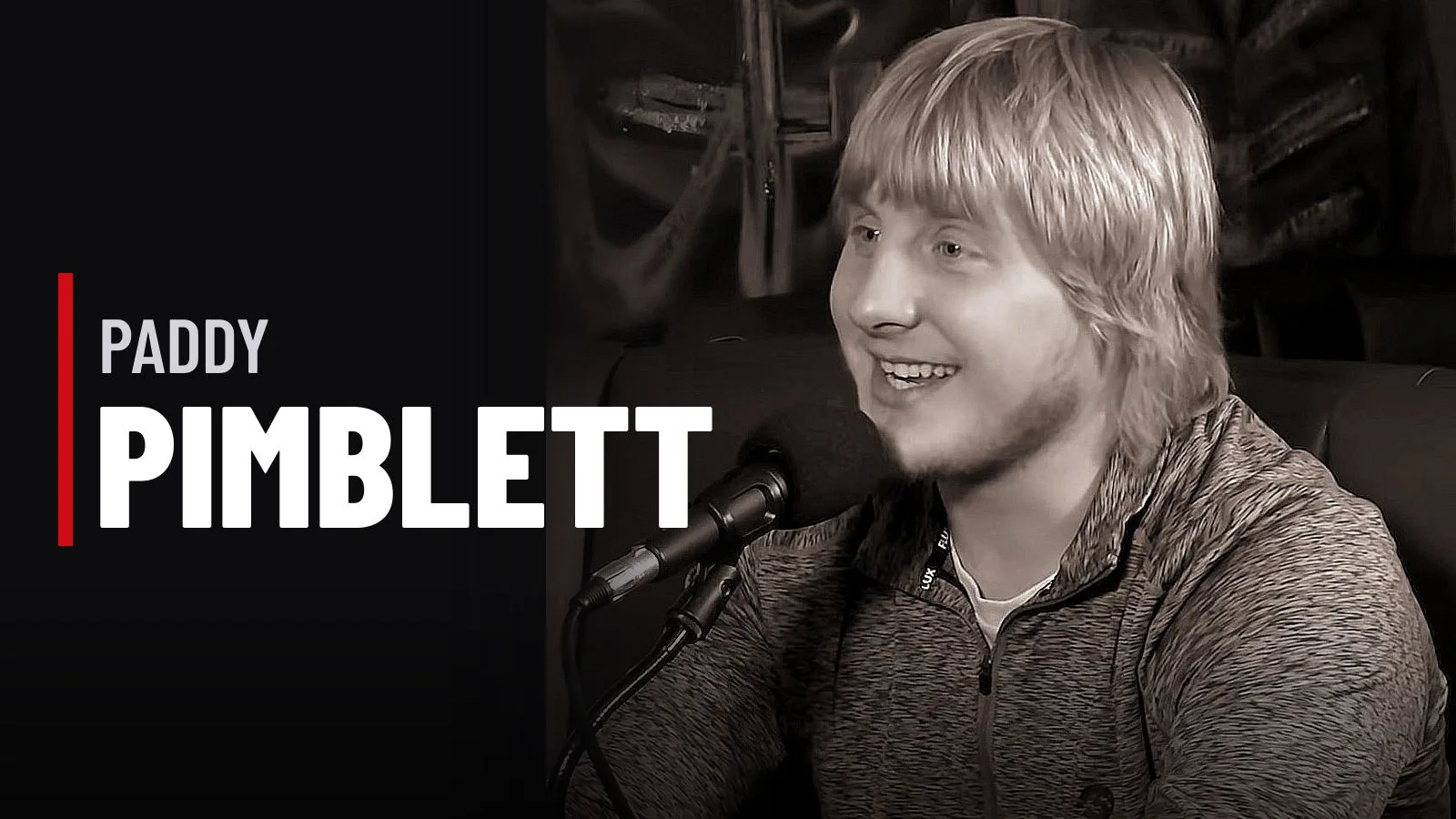
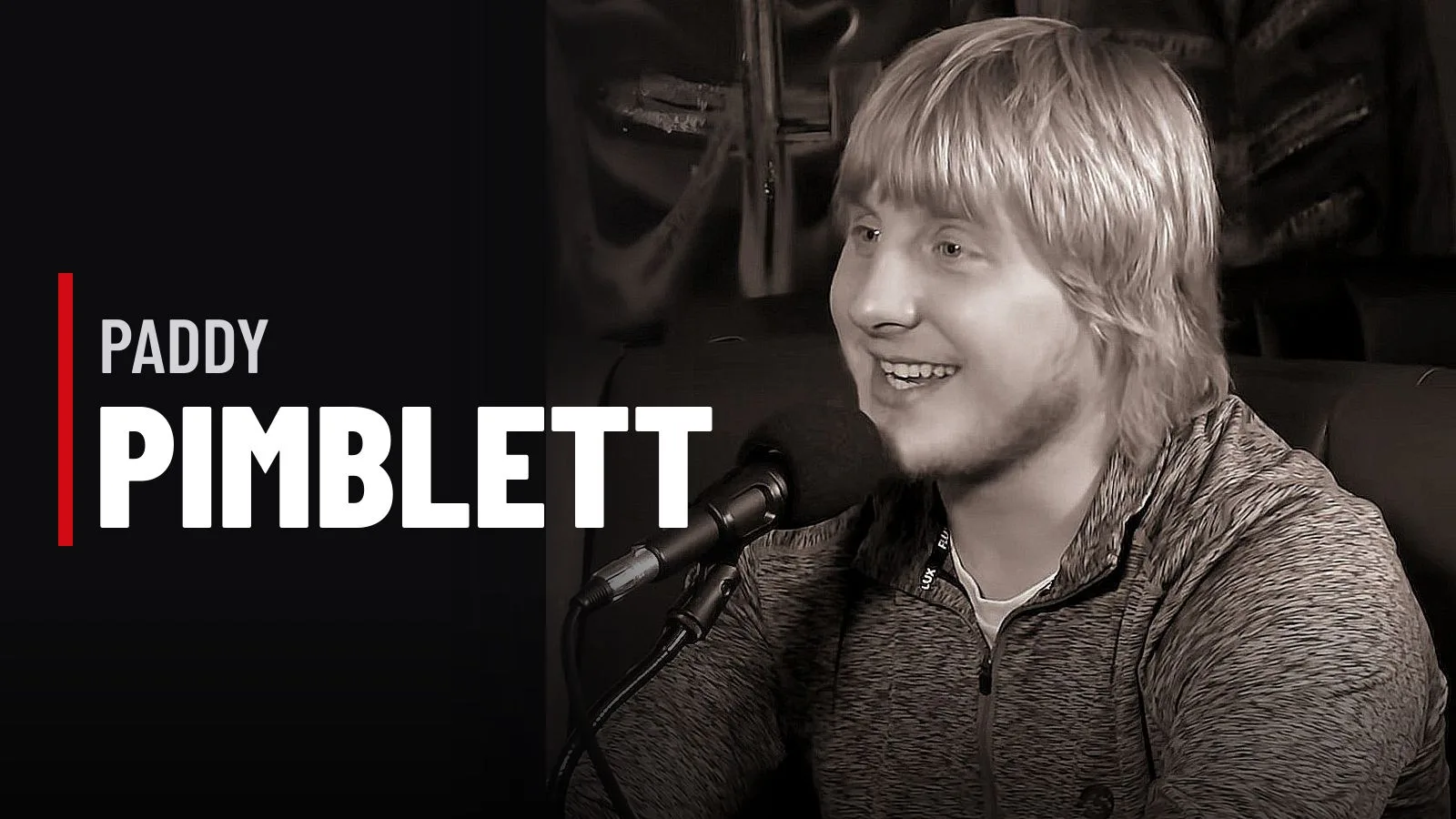
Paddy Pimblett has a real talent for saying the one sentence that gets clipped and passed around. In a video posted to X on Nov. 18 by Dovy (@DovySimuMMA), the UFC lightweight went after Merab Dvalishvili’s record for most takedowns and argued the number counts against him. Pimblett said he doesn’t think the stat should be celebrated, then delivered the line everybody is sharing: “It shows your control is not good enough to keep him down.”
It’s a fun take. It’s also wrong, and the reasons are worth walking through.
The Part Paddy Gets Right
I’ll give him the opening round. There’s a purist grappling idea buried in there that I’d nod along to over a beer. In jiu-jitsu culture the dream is one takedown, a pass, a long stay on top, and a finish. Take a guy down once, make him live there, and you never need a second shot. If you’re a submission hunter, a fight full of scrambles can look sloppy.
View post on X
So yes, if you rank fighters purely on how long they pin someone after a single takedown, a big takedown total looks a little messy. I understand the instinct.
The Part That Falls Apart
Now take that logic for a walk around the block. A takedown record doesn’t happen by accident. For the number to climb, two things have to keep happening: the other guy keeps getting back up, and Merab keeps putting him back on the mat. Every time. Pimblett is treating the first half of that as a failure and ignoring the second half completely.
Think about what that sequence means from the bottom. You burn energy to stand up. You get your feet under you. You feel like you’ve won something. Then you’re on your back again, and you have to do the whole thing over. A fighter who can do that over and over is doing something terrifying, because it tells the opponent that escaping doesn’t actually solve the problem.
Paddy’s framing treats takedowns and top control as one skill. They’re two. Getting someone down is a separate job from keeping him there, and a record for completing the first job is a record for completing the first job. Docking points because the opponent kept trying to stand up is like mocking a closer for racking up saves because the games keep being close. The volume is the point.
View post on X
It’s the T-1000 problem. You can shatter him, melt him, freeze him, whatever. He keeps reassembling and walking toward you. Nobody watching that movie thought, wow, that robot’s control is weak.
And here’s the bit Pimblett skips: a record for most takedowns is, by definition, something nobody else in the sport has done. If repeated takedowns were proof of a hole in someone’s game, you’d figure plenty of fighters would have stumbled into the record by now. They haven’t.
Paddy Being Paddy
The timing is classic Pimblett. Merab spent the earlier part of the week talking to Ariel Helwani about something a lot heavier than a stat sheet. He described a brawl in Abu Dhabi involving Usman and Umar Nurmagomedov, and said the footage going around online doesn’t show the moment he got injured. “Umar came later. I got hurt later. Whatever you see in the video, I didn’t get hurt,” Dvalishvili told Helwani, while declining to give more detail.
He didn’t hold back on the brothers, either, saying, “They are not real men, they are p*ssies.” He also extended something close to an olive branch to Islam Makhachev, inviting him to talk it out. “We can talk, we are not animals to fight in the street. We are professional fighters,” Merab said.
Merab also said he’d heard Usman and Umar were released from prison, which lines up with reports from Russian media. Those reports, which remain unconfirmed in the sources here, claim Khabib Nurmagomedov negotiated with UAE authorities to secure the release. Merab added that Ilia Topuria tried to get to Abu Dhabi right after the incident: “When I was in jail, Ilia called my family and he was trying to book the flight and come here.”
View post on X
So while Merab is talking about jail, injuries, and a feud with a famous fight family, Paddy shows up two days later with a hot take about takedown efficiency. That’s the character working as designed. Topuria himself said as much on Nov. 16 in an interview with La Gazzetta Georgia, explaining he has no beef with Pimblett and calling him “a very polite, very ordinary person” in private. “He has created his own character in this sport, so to speak,” Topuria said.
I love the character. The sport is better with a guy willing to say something provocative about a record everyone else applauds. Villains and contrarians keep the content machine fed, and Pimblett plays the role better than almost anyone.
But a provocative take still has to survive contact with the logic, and this one taps fast. The guy holding the record is the one who kept winning the same exchange more times than anybody else ever has. Pimblett called that a sign of weak control. Merab’s opponents, who had to keep climbing off the canvas only to end up right back on it, would probably describe it differently.