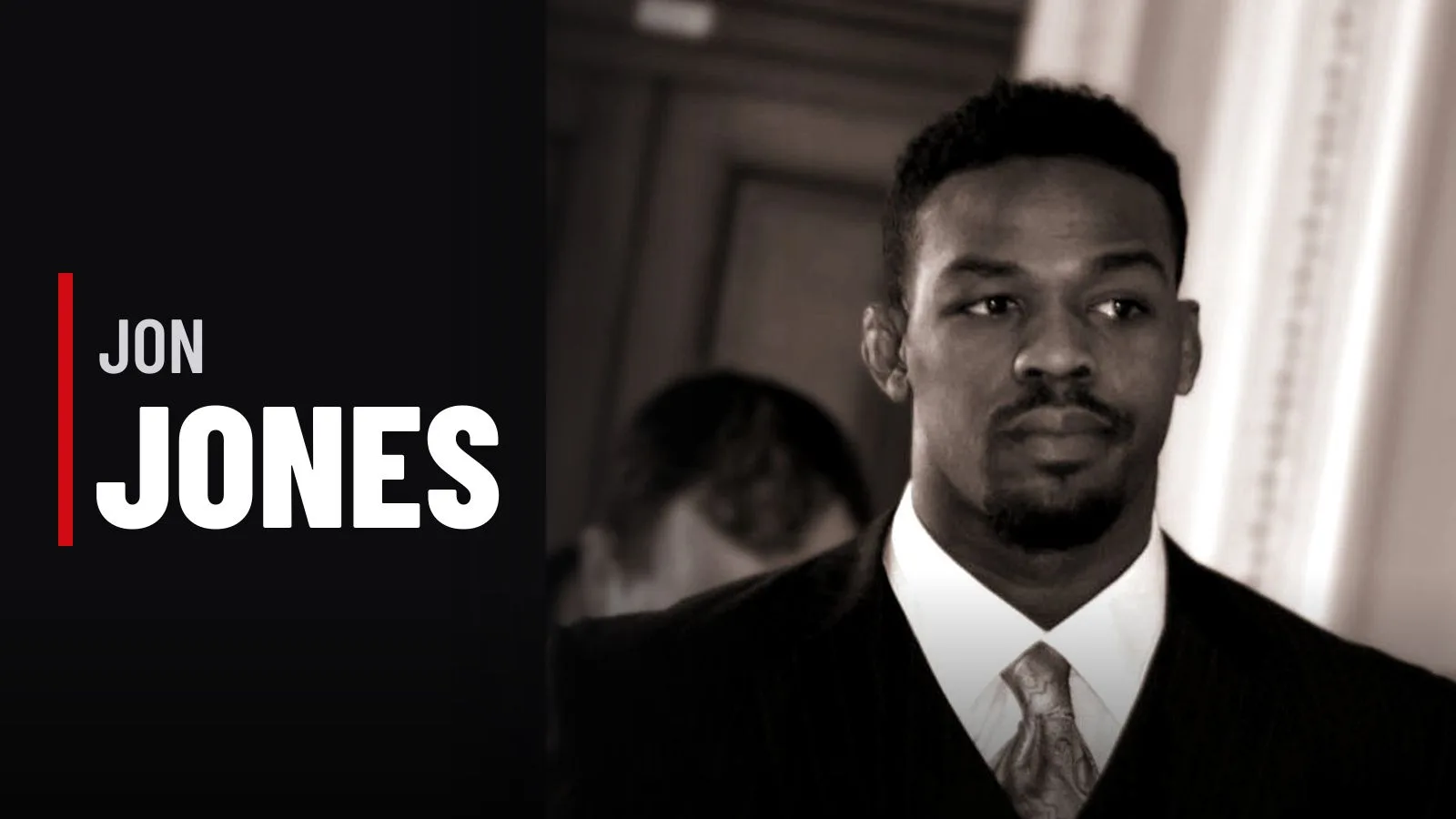
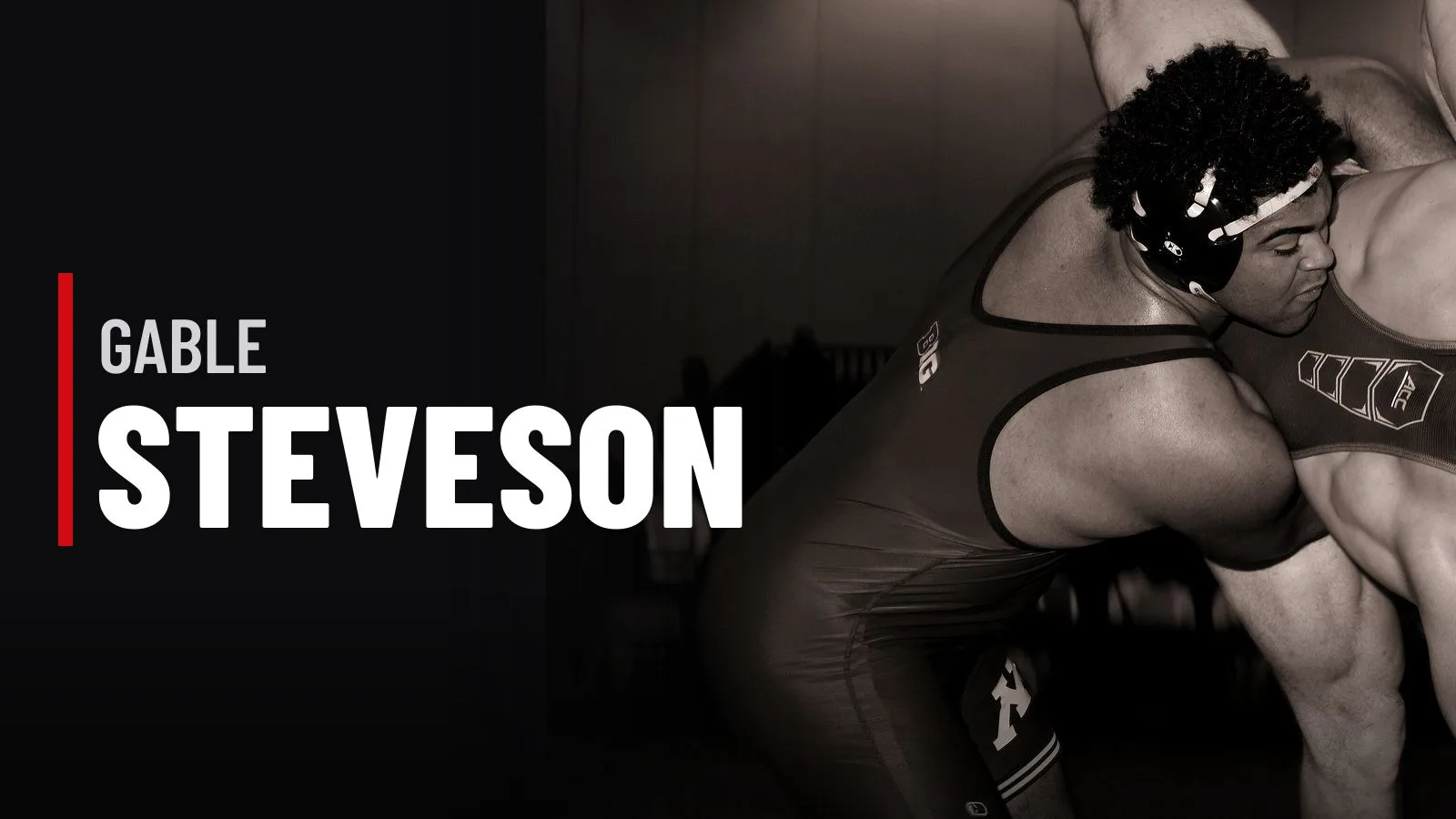
Twelve seconds. That’s how long Sean Sharaf needed at UFC 331 last month to hand Gable Steveson the first loss of his career, a result that landed on the short list of the biggest upsets MMA has ever seen. A month later, Jon Jones finally put a diagnosis on it. Buried inside a long, warm tribute to his protege was the most useful sentence anyone in Steveson’s camp has said so far.
“I feel like, as a team, we need to add a lot more sparring,” Jones told The Schmo.
Think about who’s saying that. Jones is the former UFC two-division champion, the biggest name in Steveson’s corner, and he’s telling you the room needs to put the Olympic gold medalist in a lot more live work. That’s an admission about the preparation that got Steveson to UFC 331. I respect Jones for saying it out loud instead of blaming a lucky shot.
View post on X
The sparring line is the whole interview
Most of what Jones said was about the man. He called Steveson extraordinary, then said it again for emphasis. He praised him as a father, a husband and a son, and said the way Steveson treats the people around him means he “deserves success.” I believe Jones means every word. None of it explains what happened in the cage.
The sparring comment does, or at least it points straight at the problem. A fight that ends in 12 seconds gives you almost nothing to study. You can’t blame cardio. You can’t blame a game plan that fell apart in Round 3 or a scramble that went sideways. What’s left is the very first exchange, and the instincts that keep a fighter safe in that first exchange get built one way: getting hit by real people in practice, over and over, until reading a punch coming is automatic.
That’s why Jones is right, and why his answer matters more than the pep talk around it. Steveson is 4-1 in MMA and 1-1 in the UFC. Four wins is enough to get you to the big show on talent. It isn’t enough rounds to build the kind of reflexes that only come from hard sparring, the sort of reps that make an opening exchange feel ordinary instead of brand new.
The GSP comparison is generous
Jones reached for Georges St-Pierre vs. Matt Serra as proof that great fighters get knocked out, adding that “there’s just so many examples.” Fair enough as a mood setter. Every camp with a fighter coming off a shocking loss wants that comparison.
But it only works if what comes next looks like what great fighters do next. Steveson has one UFC win. The greatness Jones sees is still a projection, built on the wrestling résumé and the athleticism, and I’d buy the comparison a lot faster if the follow-up had more meat than “we have our little things that we can work on as a team.” Little things don’t cover a 12-second knockout. The sparring part does, and I wish Jones had spent more of the interview there.
He also said he’s excited for Steveson to clear things up in his life and his personal life. Jones didn’t explain what that means, so I’m not going to guess.
Owning the walkout
The other piece of UFC 331 that stuck with people was Steveson leaving the Octagon before Sharaf had his hand raised. He took heat for it, and Jones took responsibility for it. Good. I can’t stand the small disrespects in this sport, the fighters who won’t touch gloves, the ones who bail before the official result is read. When a guy beats you in 12 seconds, you stand there and let him have his moment. Jones putting that one on himself fits the same pattern as the sparring admission: the camp eating the mistakes instead of pretending there weren’t any.
That’s the part of this I find encouraging. A head coach who says the room failed his fighter is usually a head coach who plans to fix the room.
Jones says Steveson is in the right head space and “right back to training.” If that training means Steveson taking shots from big, live partners several days a week, then Jones has a case for the confidence he’s selling. If “a lot more sparring” fades into an interview quote, Sharaf’s 12 seconds will stay the first thing anyone remembers about Gable Steveson in the UFC.