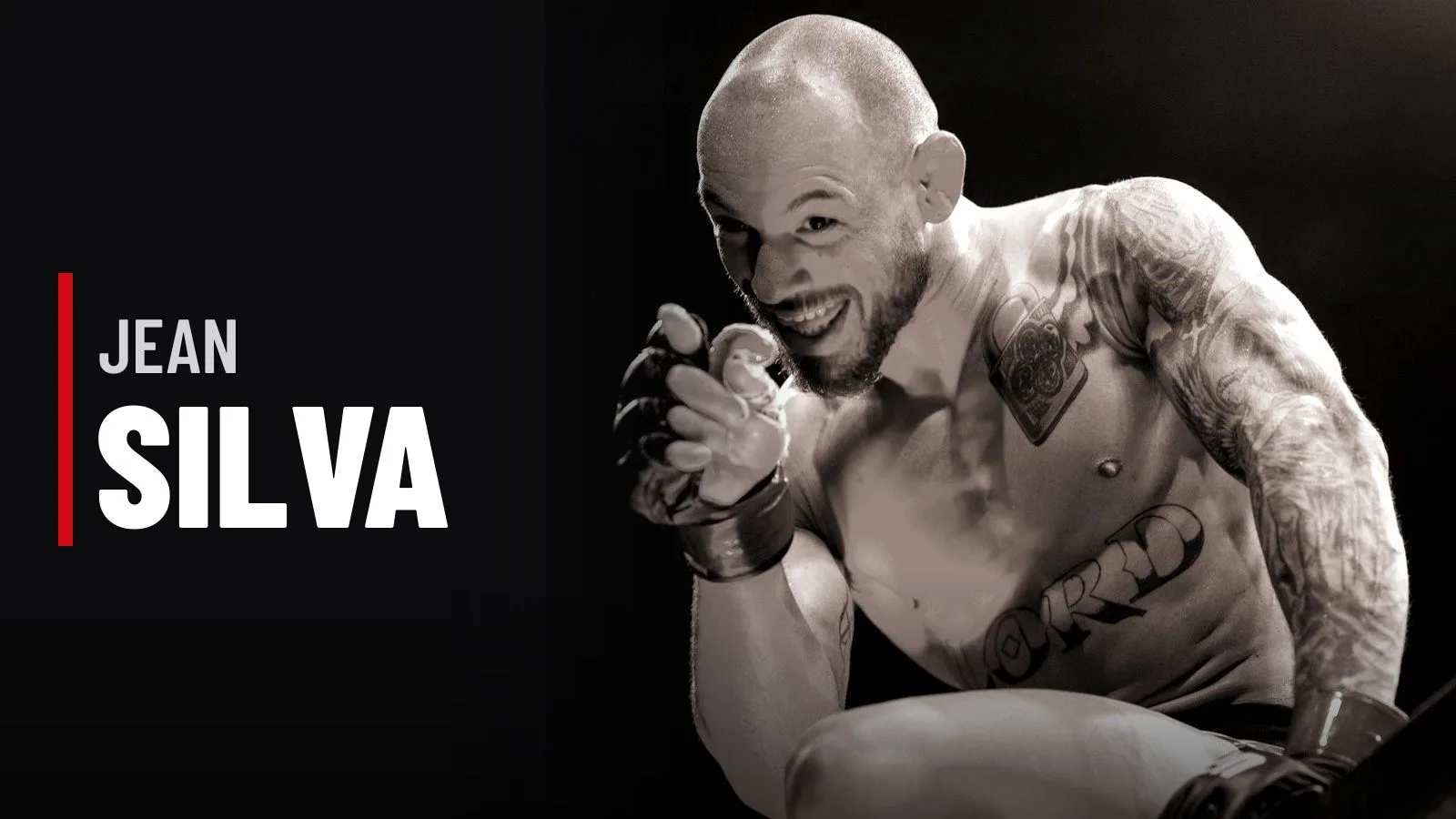
Marcus “Buchecha” Almeida owns 13 jiu-jitsu world titles and zero UFC wins. That gap is the most interesting technical puzzle at heavyweight right now, and Joe Rogan took a swing at it on a recent episode of the Joe Rogan Experience with Greg Anderson as his guest. Rogan laid out three problems: grapplers arrive too old, they can’t catch up on striking, and their sport doesn’t teach them to take people down. All three are real. Only the third explains what’s actually happening to Buchecha. The first two explain why it’s so hard to fix.
The resume first. Buchecha moved to MMA in 2021 with ONE Championship and won his first four fights there before things went sideways. In the UFC he’s been in three fights. He lost a decision to Martin Buday. He was knocked out by Ryan Spann. He drew with Kennedy Nzechukwu, who had a point deducted. He’s 36 and has nothing booked.
The clock problem
Rogan’s age argument goes like this: “You get really good at jiu-jitsu, you realise when you’re 33 that you want to start competing (in MMA), so you have a bunch of regional fights. By the time you’re in the UFC, you’re 37, 38.” Then he summed up his whole position. By that point, Rogan said, you’ve simply shown up too late, because the sport has moved a long way past the early days of 1993.
Buchecha doesn’t fit that template perfectly. He skipped the regional grind by signing with ONE, and he’s 36, not 38. But the shape is right. He has roughly five years of MMA behind him, set against a lifetime on the mats. Every hour spent learning to check a leg kick or circle off the fence is an hour he’s paying for at an age when most heavyweights are already deep into their careers.
Rogan also guessed that out of the best jiu-jitsu competitors, “not even one in 10” ends up in the UFC. That’s a guy on a podcast doing napkin math, so treat it accordingly. The point underneath it holds up, though. The elite grapplers who cross over are rare, and the ones who succeed tend to start young.
Striking you can’t cram
Rogan was blunt here: “Really, you’re never going to be able to strike with a guy who is an elite striker… they learn how to do it when they’re children.” I agree, and I’d go further. A grappler doesn’t need to win the striking exchanges. He needs to survive them long enough to get his hands on somebody. That’s a different, smaller skill set: distance management, a jab that keeps people honest, a willingness to eat one shot to land a grip.
The Spann knockout is what happens when that survival layer has holes. At heavyweight, one clean shot erases 13 world titles in about the time it takes to read this sentence.
The takedown is the whole fight
This is where Rogan nailed it. “The problem with a jiu-jitsu guy going to MMA is jiu-jitsu is not takedown-heavy, it’s not wrestling. It’s a big flaw.”
In a jiu-jitsu match, a competitor can sit to guard and start the fight on the floor basically by choice. Nobody has to earn the ground. In the cage, the other guy gets a vote, and he votes with a sprawl, an underhook and the fence at his back. A world-class guard player who can’t drag the fight down is a large man trying to solve a striking problem with a striking skill set he’s had for five years.
Whatever else happened in that Buday fight, a decision loss means the best submission artist in the building went three rounds without finishing. That tells you the fight never spent enough time where Buchecha lives. Jiu-jitsu credentials only matter once you’re tangled up, and getting tangled up against a big, defensively competent heavyweight is a wrestling problem.
This is why I keep coming back to chain wrestling as the missing piece for crossover grapplers. One single-leg attempt against a heavyweight with a decent sprawl goes nowhere. A single that turns into a run-the-pipe, which turns into a trip against the fence, which turns into a body lock, eventually breaks somebody’s base. That’s how you buy the ground position a jiu-jitsu ace needs. It’s also the kind of skill you can sharpen at 36, because it builds on the balance and hip awareness he’s spent decades developing.
Where that leaves him
Rogan’s prescription was mostly fatalistic. Start sooner, or accept that you’ll never strike with the strikers. Fair enough as a general rule. For Buchecha specifically, it skips past the fixable part. He won’t out-box UFC heavyweights. He doesn’t need to. He needs entries, and entries can be drilled.
He has no fight scheduled. If the UFC books him again, watch the first takedown attempt. If it’s a lonely shot from too far out, the Buday fight is going to repeat itself. If it’s the first link in a chain, the most decorated grappler on the roster finally gets to fight on his own floor.