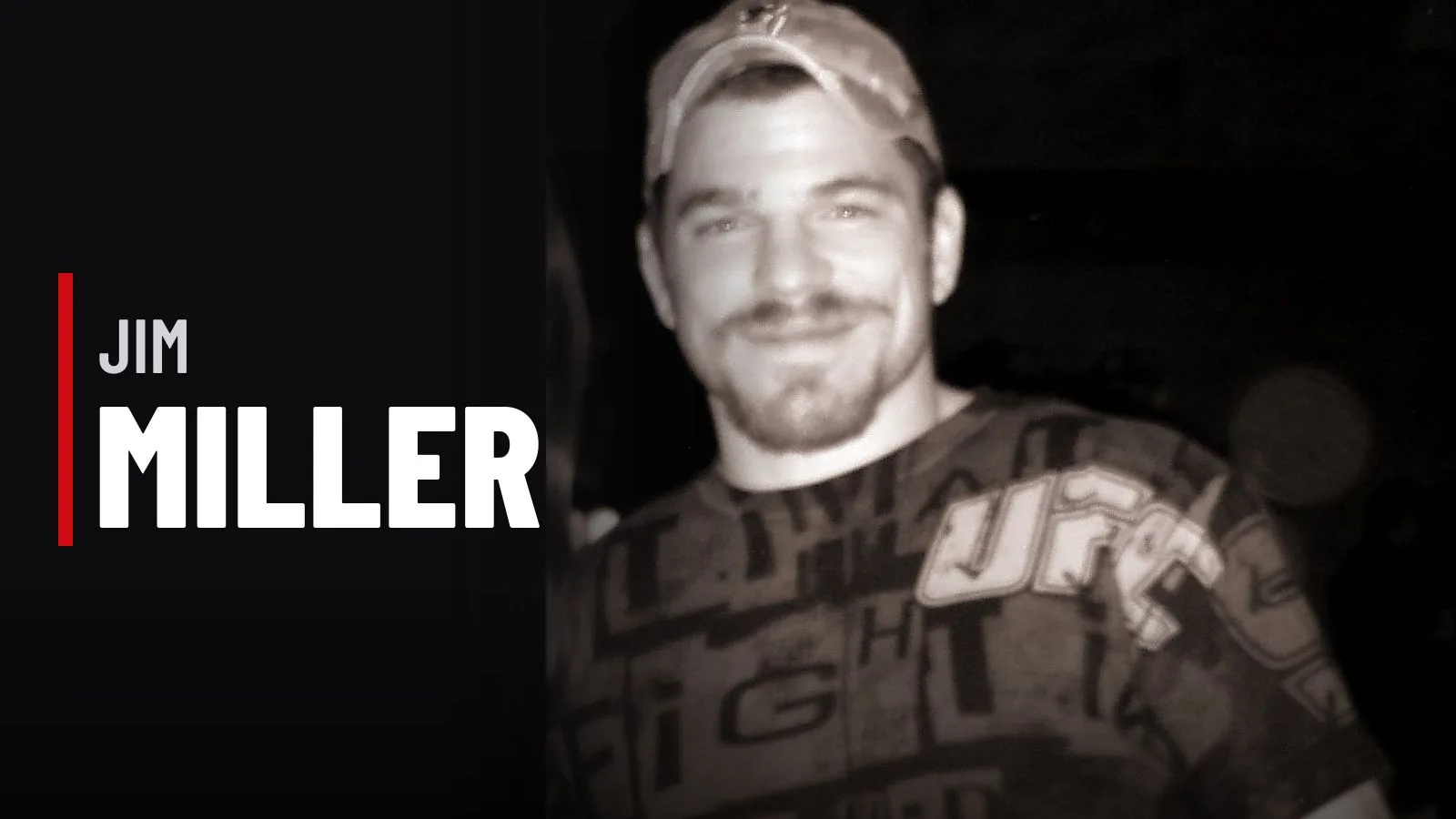
Jim Miller has fought 59 times as a pro, 47 of those in the UFC, so when he says he dropped the ball on a decision, I’m inclined to take him at his word. Miller (39-20 MMA, 28-19 UFC) went on Instagram after his first-round TKO loss to Terrance McKinney (19-9 MMA, 9-6 UFC) at UFC 334 on Saturday and did something fighters almost never do. He pointed the finger at himself for a problem somebody else created on the scale.
McKinney missed weight by 4.2 pounds. Miller took the fight anyway, at Madison Square Garden, and got stopped with strikes for the first time since Dan Hooker did it in 2018. His argument is that he should have said no, and that the only way egregious misses ever get punished is when the guy across the cage walks away and the heavy fighter gets nothing. He’s right. I’d go one step further and say the burden shouldn’t sit with the man who made weight, but until the system changes, Miller’s version is the only lever that works.
He Made Sure Nobody Could Call It an Excuse
The first thing Miller did was close the door on the obvious counterargument. “What I’m about to say has absolutely nothing to do with the outcome of the fight,” he said, and then he gave McKinney real credit. “The cross that he knocked me down with was beautiful. Threw the jab, got me to bite on it.”
That’s a precise description of a classic setup, and it’s worth slowing down on because it tells you Miller watched the tape with clear eyes. The jab draws a reaction (a parry, a lean, a little reach with the lead hand), and the moment the defender commits to that, the straight right comes down the middle where the guard used to be. Miller bit, the cross landed, and the TKO followed in Round 1. A guy looking for an excuse doesn’t break down the punch that dropped him. He mumbles about the scale and moves on. Miller did the opposite, which is exactly why his complaint about the weight carries so much weight of its own.
Why Saying Yes Is So Tempting
Here’s where Miller earns the most respect from me. He was honest about why he accepted, and it wasn’t noble. “I selfishly made the decision very immediately to just take the fight,” he said, explaining that the alternative was grinding through another four weeks, six weeks or longer of camp with no guarantee of a new date.
Anybody who has watched a fighter cut knows what that means. You’ve already dieted down, already done the sparring, already peaked. Turning the fight down at that point means rebuilding the whole thing from scratch, while the guy who missed by over four pounds still got to rehydrate with a head start. Miller also noted that refusing cancels the entire booking, so the fighter who did everything right eats the loss of a payday too. That’s a brutal choice, and it’s why so many fighters swallow it.
Miller’s fix is to stop swallowing it, at least for fighters with leverage. He pointed out that a name, a reaction from the crowd at weigh-ins and a long résumé buy a fighter some power, and he admitted he failed to use it. “And by doing that, I made it harder for the younger athletes, and I apologize for that,” he said.
That’s the correct read. A prospect on his second UFC contract can’t afford to walk. Jim Miller can. When the veteran with the name takes the fight, the message to everyone watching is that missing by four pounds costs you a fine and a bit of booing, and you still get your shot at the win bonus.
The Part Nobody Should Skip Over
The detail in Miller’s comments that deserves more attention is the timing. He said he would have preferred to be told earlier that McKinney was struggling with his cut, so the bout could have been turned into a catchweight ahead of time. That matters. A planned catchweight lets the fighter who’s on weight adjust his own cut and his fight week, instead of discovering on the scale that his opponent will be several pounds heavier when they meet. Four-plus pounds of surprise is a massive edge in a division where everybody is draining hard to get there.
I can’t stand watching fighters fade because they botched a cut, and I can’t stand it any more when the opponent gets dragged into the consequences. Miller’s call for earlier warning feels like the reasonable middle ground, and it puts some responsibility back on the camps and the promotion instead of leaving the clean fighter alone with an ugly decision on Friday.
Until that happens, Miller has made his own rule, and he aimed it at whoever lines up across from him in what he called “these last ones.” His message: “make weight because I have to turn it down now. Don’t give me any of that nonsense coming in five pounds over or more.” Coming from a guy who just got stopped and refused to blame the stoppage, that’s about as credible a warning as this sport produces. The next opponent who shows up heavy is going home without a fight.