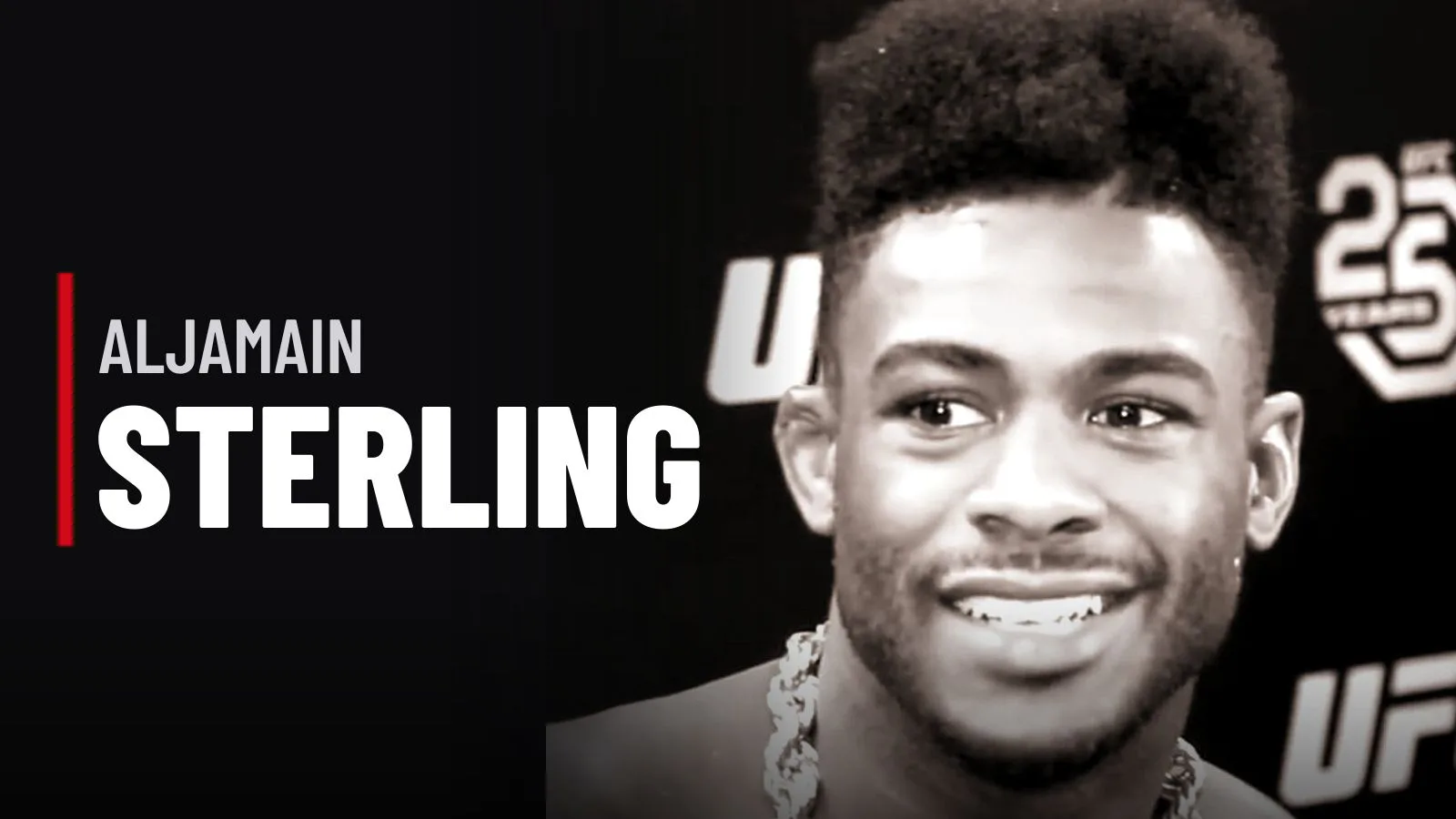
T.J. Dillashaw watched Aljamain Sterling lose a decision to Kevin Vallejos at UFC Qatar and came away convinced the wrong man got his hand raised. MMA Junkie ran his reaction on Nov. 26 under a headline built around his question: “How did Vallejos score points?” The former UFC bantamweight champion’s verdict is that Sterling won.
It’s a fair question to ask out loud. Judges deserve scrutiny, and I’ve spent plenty of Saturday nights yelling at scorecards that made no sense to anyone with a pulse. But the best answer to Dillashaw’s question came three days earlier, from the guy he’s defending.
Sterling Answered It Himself
Sterling went on The Ariel Helwani Show and walked through his disbelief at the result. Helwani posted the clip on X on Nov. 23, and Sterling sounded genuinely rattled: “When the scorecards came, I thought it was going to go my way, and then when it didn’t, I was in disbelief. I was baffled.”
View post on X
Then came the part that matters. In a clip VerdictMMA shared from the same appearance, Sterling said he couldn’t hold Vallejos down “for some reason.” He added, “When I take guys down and lock my hands like that, they don’t twist and turn so easily.”
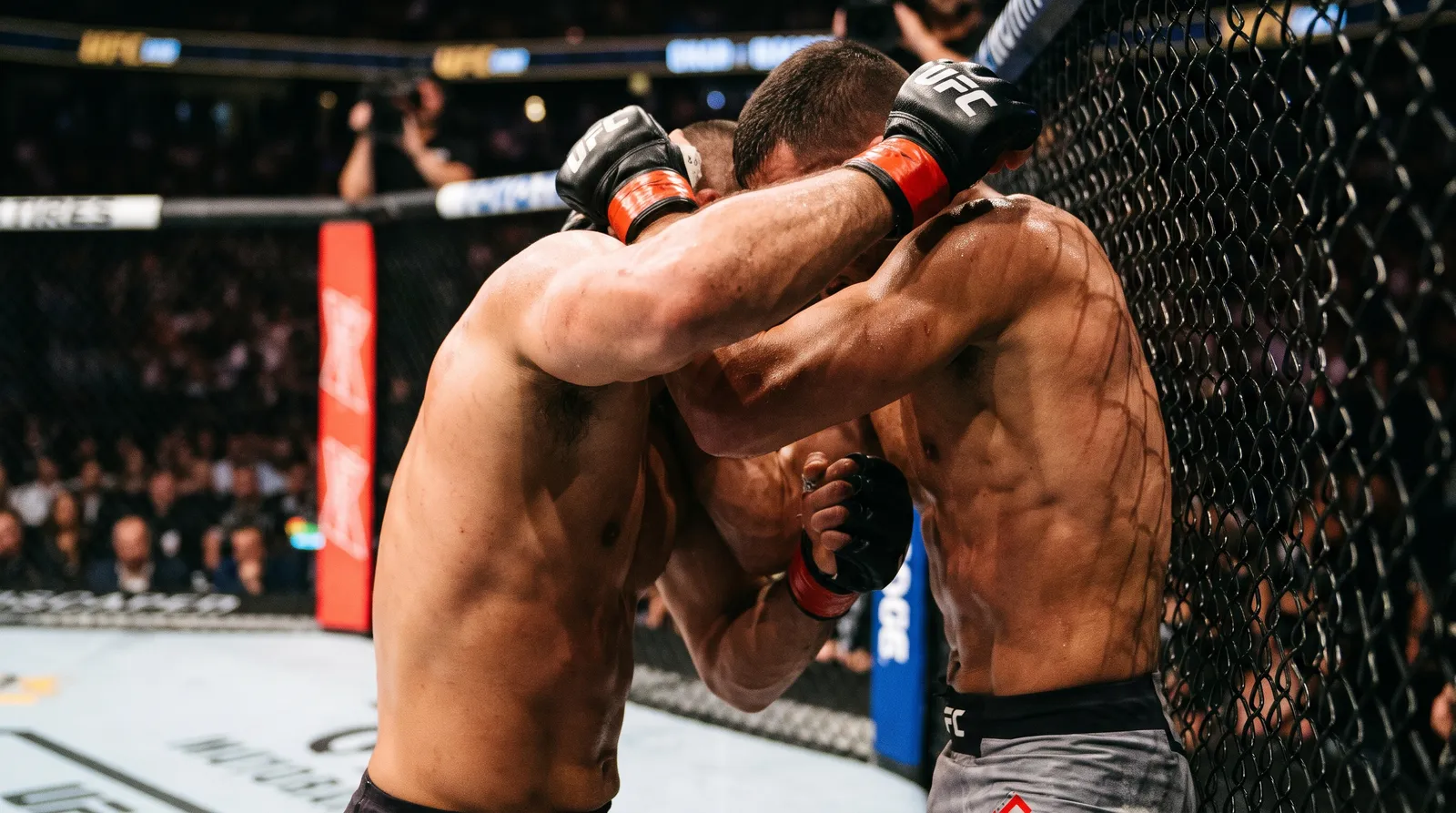
Read that again with Dillashaw’s question in your head. Sterling is describing takedowns that didn’t stick and a locked grip that didn’t produce the control he’s used to getting. That is how a grappler loses rounds he thinks he’s winning. Under the unified criteria, a takedown earns you a chance to do something. Effective grappling gets judged on what you do with the position, and if the other guy is twisting free and back on his feet, the judges are left weighing a brief trip to the mat against whatever happened in the exchanges before and after.
I’m usually the person defending wrestlers. The “lay and pray” crowd drives me up a wall, because most of them can’t tell a hip-heist from a hip check and they boo grappling exchanges that are winning the round in front of them. This is the reverse situation. Sterling, a fighter whose game lives on the mat, told us in his own words that the mat work didn’t hold. When the grappler himself says the control wasn’t there, I’m not going to argue the judges missed it.
The Back Room Idea Has a Point, Though
Sterling also floated a fix, per Helwani’s post: put the judges somewhere away from the cage. “I still think judges should be in the back room watching the fights. Why not?” he said. He followed it with the line that I actually agree with: “If you wanna progress the sport, you can’t keep changing the rules from week to week, where one thing happens, you score it this way, and then the next week you see something else scored a different way.”
View post on X
That complaint about consistency is legitimate, and it’s the strongest thing he said all week. Scoring drifts from card to card, from commission to commission, sometimes from judge to judge on the same fight. A cageside seat can hide action on the far side of the fence, and monitors with multiple angles would help on scrambles where a hand placement decides who’s really in control.
It wouldn’t have saved him here, though. A better camera angle shows you a takedown that doesn’t hold more clearly. It doesn’t turn it into a dominant position.
The Loss Is Getting Louder
The rest of the week didn’t help Sterling’s case in the court of public opinion. Jed Meshew posted on X, “Honest question, has Aljo ever just accepted a loss? I can’t remember but maybe I’m just blanking.” That’s a pointed jab from a writer who follows this stuff closely, and it landed because of the timing.
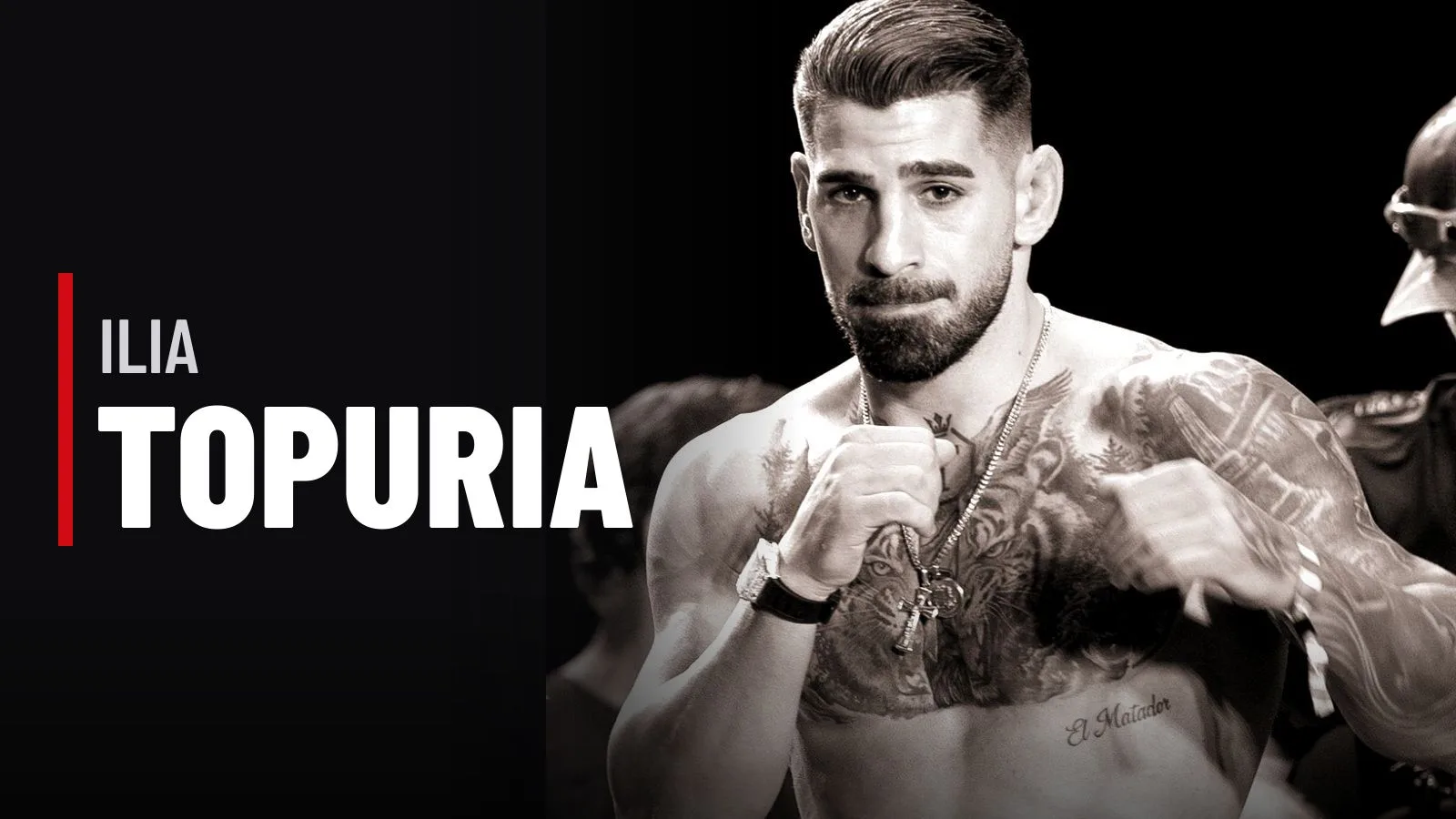
Vallejos, for his part, told Helwani that Sterling needs to “Learn how to lose,” according to a clip shared by Spinnin Backfist on Nov. 24. Sterling had already tried to cool the hype around the man who beat him, telling Helwani that the comparisons to Ilia Topuria are premature: “They’re calling him Ilia Topuria. I think you need to slow down on that.”
View post on X
There’s something awkward about losing a decision and, in the same media appearance, telling everyone the winner isn’t that special. Maybe Sterling is right about the Topuria talk. One fight doesn’t make anyone the next anything. But downplaying Vallejos while insisting the judges robbed you is a tough combination to sell, and Dillashaw’s endorsement gives the robbery argument a famous name without giving it new evidence.
Dillashaw asked how Vallejos scored points. Sterling already told Helwani on Nov. 23: Vallejos kept getting up, and Sterling couldn’t keep him down.