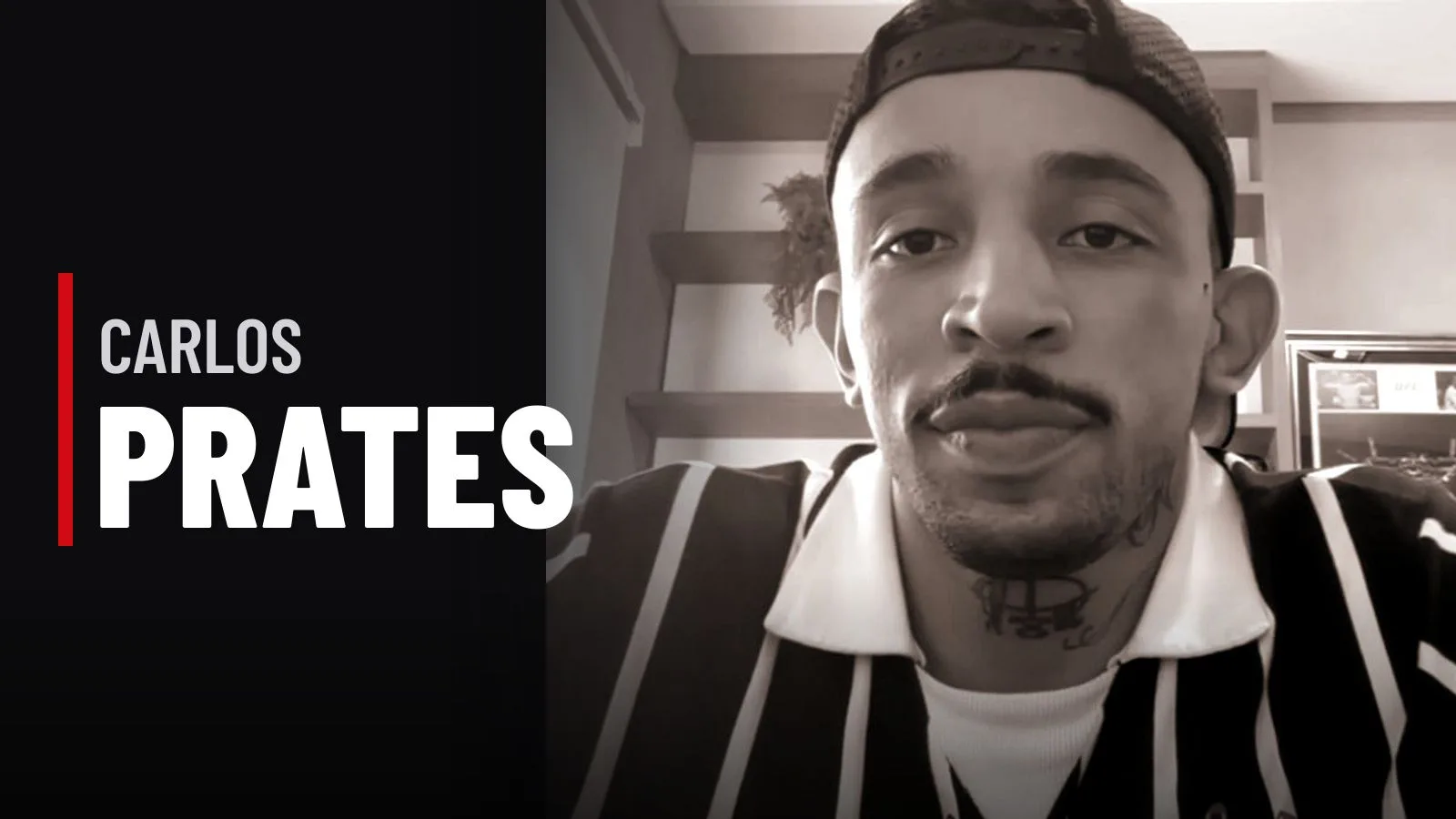
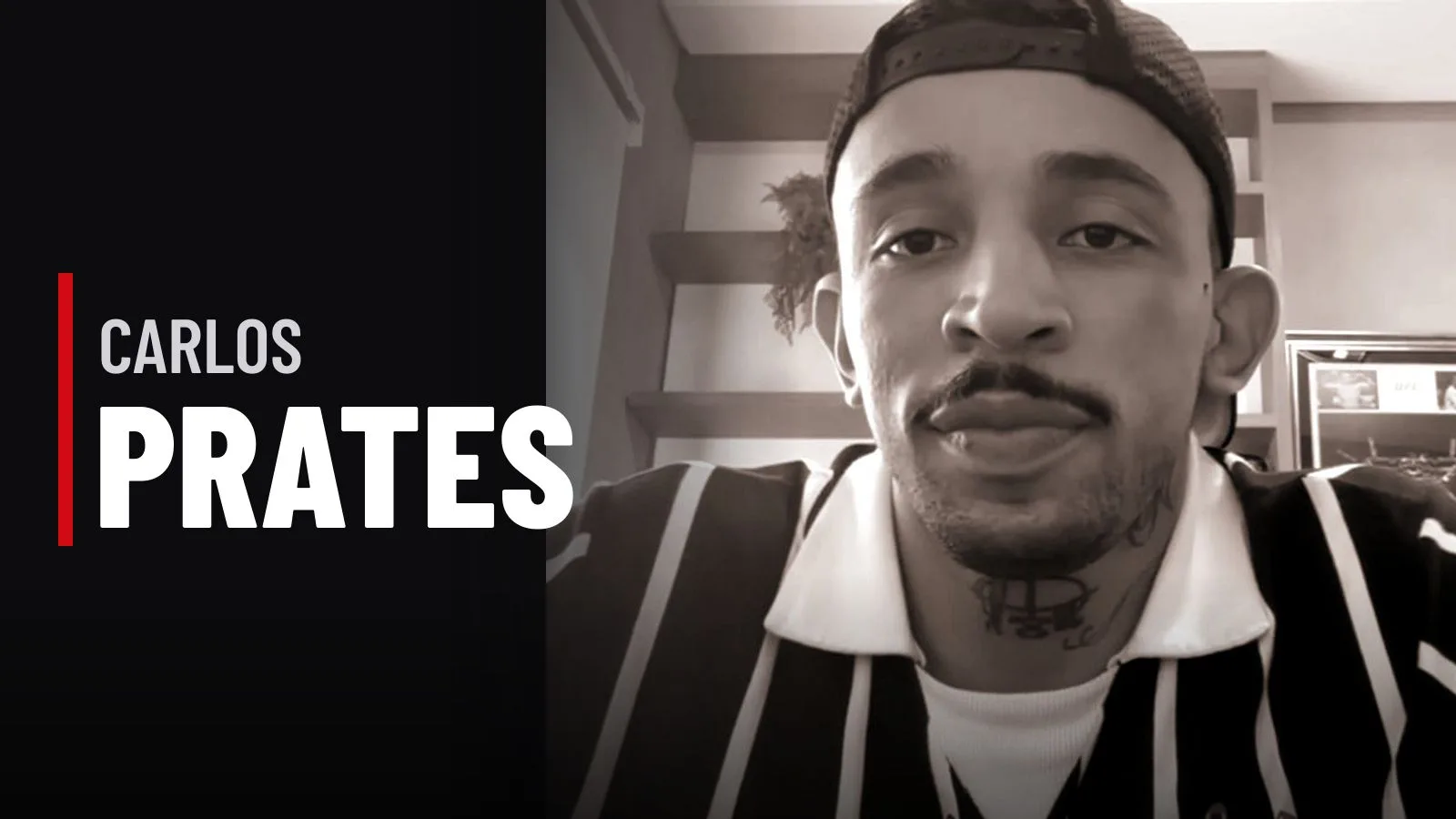
Carlos Prates sat down with Ariel Helwani and laid out his plan for Islam Makhachev, and the plan has exactly one step. “I promise you when I meet him inside the octagon, I’m gonna hit him so hard, he’s gonna think, ‘Oh my God, I’m never gonna fight again’,” Prates said. The clip spread on X late Tuesday, where @DovySimuMMA framed it as Prates planning to retire Makhachev after beating Michael Morales. By Wednesday, Sportskeeda had run with the “hit him so hard” line and MMA Sucka was calling it a chilling warning.
Chilling is a big word for a sentence that skips the entire fight.
I’ll give Prates this much. Fighters should want the best man in the sport, and a welterweight contender who names the pound-for-pound champion instead of hiding behind the usual line about fighting whoever the UFC puts in front of him is doing his job. Ambition is fine. What bothers me is the arithmetic. Prates looked at one of the most complete grapplers in the sport and decided the whole problem reduces to a single clean punch, delivered at full power, with nothing in the way.
View post on X
The punch has to get there first
Think about what that promise assumes. It assumes Makhachev stands in front of him. It assumes the first exchange happens on Prates’ terms, at Prates’ range, with Prates’ feet set. It assumes that whatever Makhachev does in the first 30 seconds (the feints, the level changes, the slow walk that pins a man against the fence) doesn’t happen, or doesn’t matter.
That’s the part that reads as hubris to me. Prates talked about the ending. He never mentioned the middle.
People love to explain Makhachev with mountains. They talk about Dagestan like toughness seeps out of the rock, as if every kid from the region arrives at a wrestling room already unbreakable. I can’t stand that version, because it hands the credit to geography and takes it away from the people who earned it. The discipline Prates is waving off was built in rooms, by coaches whose names most fans couldn’t tell you, through years of drilling the same entries until they stopped being techniques and became reflexes. That wrestling culture produces fighters who treat a striker’s power as a logistics problem. You don’t trade with it. You close the distance on your timing, you take the angle away, and you put the man on his back where his hands are worth very little.
A system like that is the specific answer to the exact thing Prates is selling.
The best case for Prates, and why it falls short
The strongest argument on his side goes like this: power is the one weapon in MMA that needs no permission, and a wrestler has to come close to do his work, which means he has to walk through the danger zone every single time.
It’s a real point. Every grappler who has ever been put to sleep was put to sleep on the way in.
But the danger zone only works if the wrestler enters predictably, and predictable entries are what a lifetime in that kind of room trains out of you. The shot comes behind a feint, or off a clinch tie, or after a punch of his own that makes the striker flinch and plant. A puncher in that fight doesn’t get 15 minutes of looks. He gets a few clean windows, maybe, and if he misses one, he spends the rest of the round carrying another man’s weight and wondering where his legs went. Power is a lottery ticket against that style. Prates spoke like he’d already cashed it.
Retirement is a strange thing to promise
There’s also the wording, which I keep coming back to. Prates didn’t say he’d knock Makhachev out. He said the punch would be so hard that Makhachev would decide on the spot he never wants to fight again. That’s a promise about another man’s mind, and fighters at the very top don’t walk away because a punch hurt. They’ve all been hurt. Being hurt and continuing to work is most of what got them there.
I understand why the line travels. It’s clean and violent and easy to post with a skull emoji. It also turns a decades-deep grappling tradition into a punchline about one swing, and that’s the kind of shorthand that makes the sport dumber. Makhachev is a person with a craft. Treating him as a target with a glass jaw that nobody has found yet erases everything that makes him hard to beat.
First things first
The funniest detail in all of this came from Prates himself. Even in his own telling, Makhachev is the second fight. Before he gets anywhere near the pound-for-pound king, he has to get past Michael Morales, and Morales isn’t standing around waiting to be a stepping stone in somebody else’s retirement speech.
So here’s where I land. Prates can absolutely hit. That was never the question anyone serious was asking. The question is whether a man with one answer can survive a fighter built to remove that answer before it’s ever spoken, and Prates hasn’t even reached the room where he’d find out. He has Morales in front of him, and for now the hardest thing he’s hit in this rivalry is Helwani’s microphone.