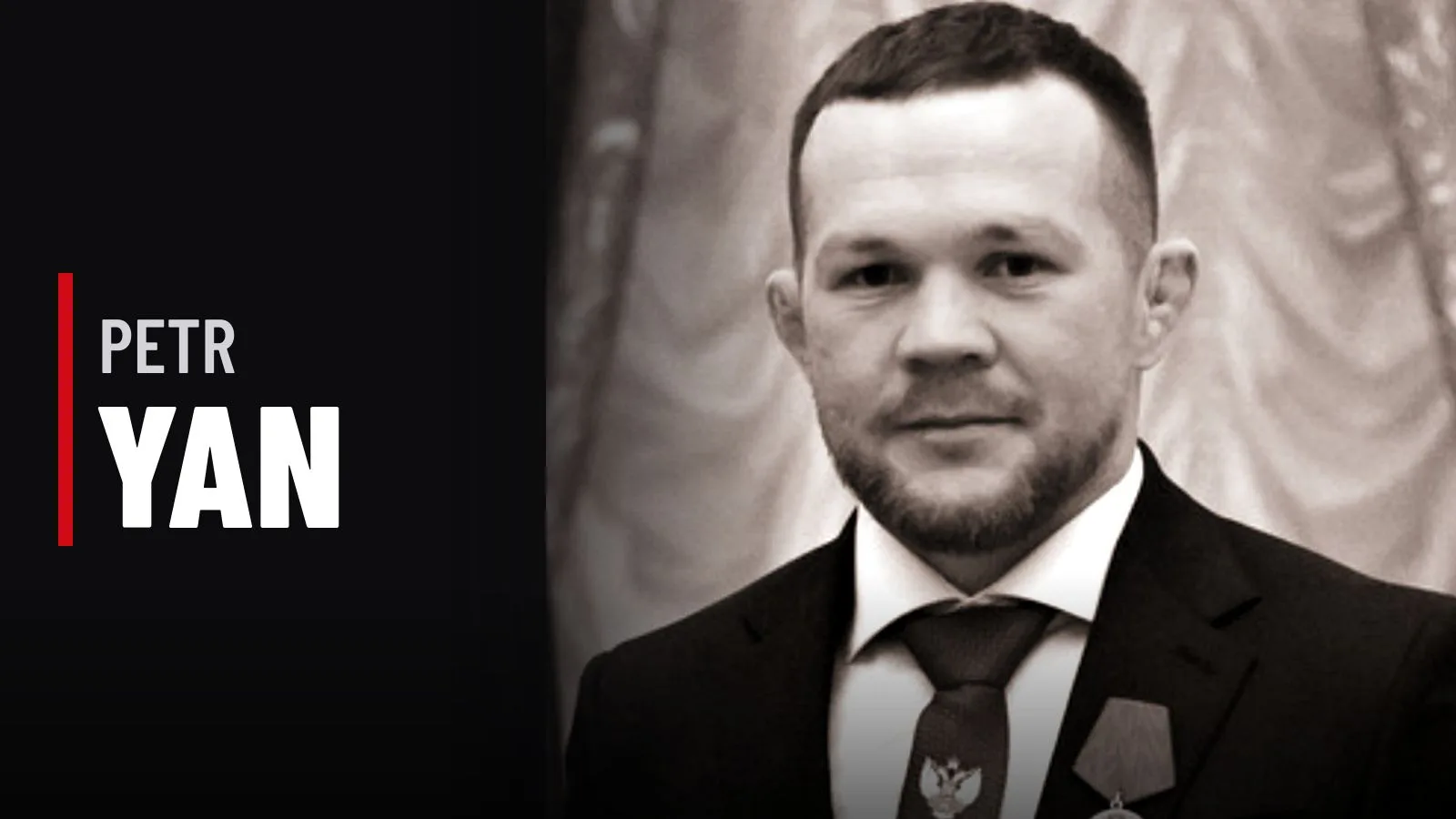

Aljamain Sterling has beaten Petr Yan twice, so his read on a Yan fight comes from someone who has actually solved the problem in the cage. After Yan closed out his trilogy with Merab Dvalishvili by unanimous decision at UFC 333 in Abu Dhabi on Oct. 24, Sterling took issue with how the bout was scored, according to MMA Junkie. MMA Sucka reported that he made the case for a 10-10 round in the fight. The coverage available doesn’t spell out which frame he meant or how he would have rewritten the cards, so I won’t pretend to know. The principle is what matters, and on the principle he’s right.
A scale that only runs one direction
Judges have room on the 10-point must system to call a round dead even. In practice they almost never do. Every round gets a winner, even when the honest answer is that nothing meaningful separated the two fighters. So a judge ends up manufacturing a margin out of one extra jab or a takedown attempt that went nowhere. Stack five of those manufactured margins together and you have handed someone a belt.
What drives me up the wall is the asymmetry. Judges will reach for a 10-8 on the strength of one decent ground-and-pound sequence, sometimes on less. They are happy to use the top of the scale and allergic to the bottom of it. If you’re comfortable telling me a round was lopsided, you should be just as comfortable telling me a round was level when it was level.
Why this fight is the test case
The people who covered UFC 333 for a living described a fight that could have tipped either way. Martin, on MMA Fighting’s postfight panel, wrote that “Dvalishvili was only one round away from winning,” and the outlet’s Morning Report called it “that stunning back-and-forth co-main event.” When a five-round title fight sits that close to flipping, every coin-flip round inside it carries championship weight. A judge forced to pick a side in a dead-even round is deciding a world title on a tiebreaker nobody wrote down.
Then look at the style matchup. Per MMA Junkie’s post-event numbers, Dvalishvili attempted 58 takedowns, a single-fight UFC record. That kind of volume produces the hardest rounds in the sport to score honestly. One man shoots and shoots. The other defends, resets and tries to land on the way out. Does a stuffed shot count as aggression or as a failed attack? Who controlled the cage if one guy is walking forward and the other is winning the exchanges at the edge of it? I’m not claiming any specific five minutes at UFC 333 played out that way. I’m saying that’s exactly the sort of round where two good judges can watch the same tape, see opposite winners, and both be wrong to see a winner at all.
Both men live on the scorecards, too. Yan has won 10 of his 13 UFC fights by decision, and Dvalishvili has dropped five of his six career losses by decision. Fighters with those résumés deserve a scoring system that is allowed to admit when neither man won a round.
The objection, and why it doesn’t hold
The standard pushback is that 10-10 gives lazy judges an escape hatch and produces more draws. Two answers. First, one even round in a five-round fight does not automatically produce a draw. It just stops a judge from inventing a point that wasn’t earned. Second, if a title fight really is a draw on the merits, then a draw is the accurate result. Clean judging means the cards match what happened, and sometimes what happened is a stalemate for five minutes.
The escape-hatch worry is about judge quality, and you fix that with training and accountability. Banning yourself from the honest answer fixes nothing.
This isn’t sour grapes
If you want to dismiss this as Sterling grinding an axe, his own words on Yan from the same week make that hard. On his Weekly Scraps podcast, Sterling called Yan “a technical savage when he’s in there,” while arguing it was premature to crown him the bantamweight GOAT. “To just go hands down he’s the GOAT with one title defense is kind of crazy to me,” Sterling said, adding that Yan is “definitely in the conversation.” That’s a guy giving the champion his flowers and still wanting the scoring done right.
Sterling also knows what close looks like from inside the cage. MMA Fighting’s Lee described Sterling’s second fight with Yan as “razor close.” Sterling owns the most UFC bantamweight wins in history (14, tied with Marlon Vera), and he’s now booked against Kevin Vallejos at featherweight. He doesn’t need anything from this argument except better cards for everyone else.
Yan’s win at UFC 333 went into the record books as his first UFC title defense across two reigns, by unanimous decision, 21-5 against Dvalishvili’s 21-4. If even one of those five rounds deserved a 10-10, the paperwork should say so.